Need OEM supplier support for this product type?
Contact KOLARWIN Tools for OEM mechanic tools, private label packaging, wholesale quotation and product range support. This gives overseas buyers a clear path from article reading to supplier discussion.
Pack the actual tools before choosing their storage. A roll may carry a small, fixed service set comfortably; a case can offer room for compartments and protective inserts. Loaded size, retention and access tell a buyer more than an empty-product photograph.
1. What is a tool roll?
A tool roll organizes tools in separate pockets or loops and closes by folding or rolling the fabric. It can keep a compact selection together while allowing a user to lay tools out for access. Pocket layout, closure, material, and loaded dimensions vary. A roll generally offers flexible storage but less rigid impact protection than a hard case. Check pocket sizes against the actual wrench sizes in the proposed assortment.
- Load the longest intended tool before judging how tightly the roll closes.
- Check whether a flap covers protruding ends and retains them during carrying.
| Kit profile | Roll suitability | Check |
|---|---|---|
| Slim fixed hand-tool set | Good candidate | Pocket widths and end retention |
| Loose small parts | Needs an enclosed compartment | Parts must not escape pockets |
Evaluate the filled roll. Measure its closed diameter or thickness with the actual tools installed.
2. What is a tool case?
A tool case uses a structured shell or semi-rigid body with compartments, trays, or inserts. It can protect contents from crushing and keep small components organized, depending on construction. Cases vary widely in material, seals, latches, handle design, and interior layout. Do not infer water resistance, drop rating, or load capacity unless manufacturer documentation states it. For fitted interiors, compare EVA and polyethylene foam before specifying the insert.
- Measure usable internal space around hinges, trays and handles.
- Check whether the insert supports the tool body without pressing delicate tips.
| Case interior | Useful for | Constraint |
|---|---|---|
| Fitted insert | Fixed assortment with defined positions | Replacement tools may differ in size |
| Open compartments | Changing assortment | Tools need restraint against movement |
Check the interior before the exterior. Lay out the full kit inside the sample and confirm the lid closes without pressing on tools.
3. How do access and organization compare?
A roll displays its contents as it opens, which can make tool selection quick when layout is deliberate. A case can separate tools into trays and compartments, but users may need to open multiple sections. Both formats can lose organization if pockets or inserts do not match the kit. Compare retrieval steps using the actual tool mix. Allow for the different head and handle shapes across pliers types when drawing pocket outlines.
- Retrieve the most-used tool without removing unrelated items.
- Confirm an empty position is visible during the end-of-job count.
| Access need | Roll layout | Case layout |
|---|---|---|
| Whole kit visible | Open pocket array | Single-layer insert |
| Small parts separated | Closed accessory pouch | Lidded bins or trays |
Time a realistic retrieval. Include opening, selecting, returning and closing so the comparison reflects the complete job.
4. Which is easier to carry?
A roll can be compact and lightweight when carrying a limited set, then spread open on a bench. A case may provide a handle, shoulder strap, stackable shape, or wheels, depending on model. Loaded weight and carrying distance matter more than empty dimensions. Evaluate comfort and grip with the tools installed. Confirm fasteners keep the roll closed during transit. Build the carry trial around the selected mechanic tool assortment, not an arbitrary test weight.
- Weigh the sample after loading every planned item.
- Walk the normal route, including stairs or vehicle access, using the intended carry method.
| Travel pattern | Useful feature | Tradeoff |
|---|---|---|
| Short trips with small kit | Compact roll | Requires a place to unroll |
| Long route with heavier kit | Suitable case handle, strap or wheels | Added bulk and empty weight |
Test the carried load. Record comfort and awkward clearances after a normal journey rather than a brief lift at the bench.
5. How much protection does each provide?
A tool case may shield tools from impact better when its shell and inserts suit the hazards. A roll can prevent tools from rubbing together but generally provides less structural protection. Neither format guarantees waterproofing or drop safety without a published rating. Buyers should identify actual storage risks: dust, moisture, vehicle movement, impact, or theft. For a socket kit, match compartments to the chosen socket drive sizes and associated accessories.
- Identify whether the main risk is rubbing, crushing or weather.
- Request evidence for any stated impact or ingress rating.
| Hazard | Protection to inspect | Evidence limit |
|---|---|---|
| Tool-to-tool rubbing | Pockets or fitted separators | Visual fit check |
| External impact or rain | Shell, cushioning and seals | Rating requires product documentation |
Match the claim to the hazard. Remove unsupported waterproof or drop-proof wording from the comparison sheet.
6. How should users match storage to tools?
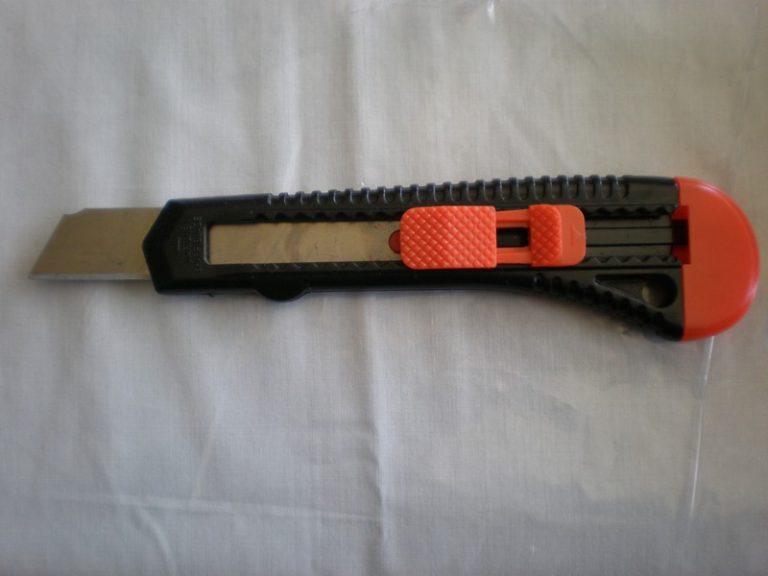
Long handled tools, sharp edges, precision instruments, and small loose parts create different storage needs. A roll needs secure pockets sized for tool length and retention. A case needs compartments that prevent movement without stressing delicate tips. Avoid forcing oversized items into undersized pockets or cutting new slots without considering edge exposure. Review manufacturer layout and loading instructions. Account for the edge guards or blade storage required by the selected utility knife blades.
- Cover sharp cutting edges before loading the storage.
- Check that heavy tools cannot migrate onto measuring instruments.
| Tool type | Storage provision | Fit check |
|---|---|---|
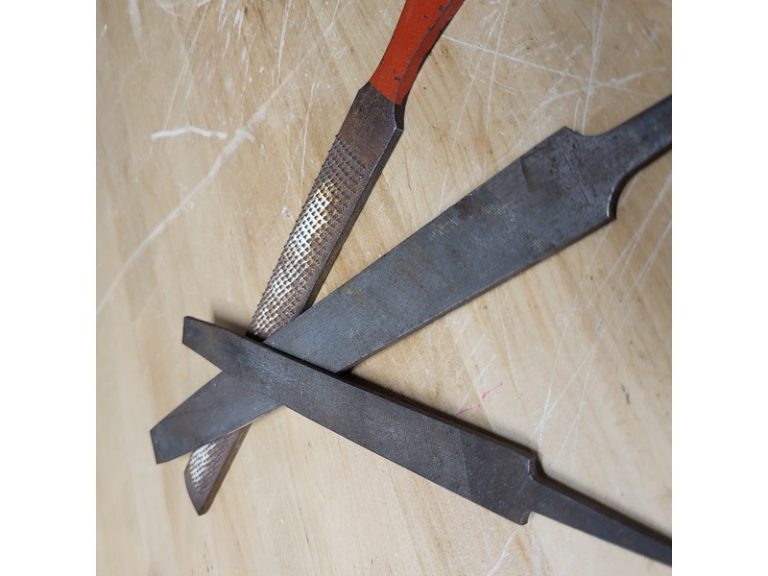
| Files and exposed cutting edges | Individual protection | Teeth or blades cannot cut fabric |
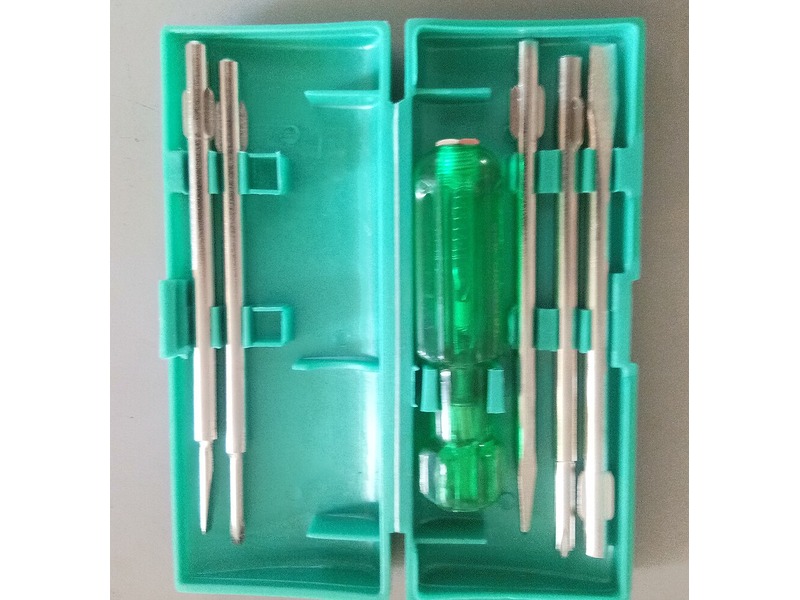
| Small bits and fasteners | Closed compartments | Parts stay contained when carried |
Assign every item a position. Mark a loadout drawing with the tool dimensions and the direction each item is inserted.
7. What materials and closures matter?
Tool rolls may use woven fabrics, coated textiles, or other materials; cases may use polymer, metal, or composite construction. Stitching, seams, zippers, buckles, latches, hinges, and handles are wear points. Ask about material and maintenance data for the intended environment. Do not assume a coated fabric or closed case is waterproof. A household tool kit may need a different closure and access layout from a daily service kit.
- Inspect stitching at loaded pocket corners and strap attachments.
- Operate closures with the kit filled to its planned capacity.
| Wear point | Sample observation | Purchase question |
|---|---|---|
| Roll seams and buckles | Strain when closed | Repair or replacement options |
| Case hinges and latches | Alignment under load | Replacement part availability |
Inspect under normal load. Photograph any distortion with the kit closed so the supplier can assess the exact condition.
8. How should buyers evaluate samples?
Load samples with the intended assortment and check balance, closure, access, movement, and tool retention. Carry the loaded unit through the expected route and inspect for shifting or sagging. Open and close zippers, buckles, latches, and hinges repeatedly. This practical review does not establish a certified impact or load rating. Ask for supporting documentation when protection claims matter. Use the work locations in the industrial maintenance tool plan to define a realistic carry route.
- Use the heaviest intended configuration for the carry trial.
- Repeat retrieval after transport to see whether tools shifted.
| Test stage | What to record | Reason to revise |
|---|---|---|
| Before carrying | Tool positions and closure fit | Baseline |
| After normal route | Movement, sagging and access | Retention problems become visible |
Retain the approved loadout. Save a photograph and tool list with the sample record so later kit changes trigger a fit review.
9. When should distributors stock both?
A roll can suit mobile technicians who carry a defined hand-tool set; a case can suit larger assortments, delicate tools, or shared transport. Stocking both formats serves distinct workflows if pocket layouts, dimensions, and carry features differ meaningfully. KNIPEX lists rolls and cases separately; compare the specific product data before assigning protection claims.
- Separate compact service kits from large workshop assortments.
- Check whether replacement inserts or rolls can be ordered without buying the tools again.
| Customer use | Offer to consider | Useful option |
|---|---|---|
| Known compact service set | Fitted roll | Replacement roll |
| Variable or delicate kit | Case with suitable compartments | Changeable insert |
Make the empty-storage option clear. List which products include tools and which supply only the roll, case or insert.
10. What should an RFQ specify?
List dimensions, tool assortment, pocket sizes, material, closure, handle or strap, loaded weight target, and environmental exposure. Identify whether inserts are removable and whether product-specific protection ratings are required. Request drawings, sample loadout, and packaging details.
- Attach the exact tool list with overall dimensions and weights.
- State the loaded carrying target and required protection evidence.
Quote the complete loaded system. Send the supplier the approved arrangement and identify which future tool changes must remain possible.
Frequently asked questions
Q1: Which stores tools in separate pockets? A tool roll typically uses pockets or loops and folds closed.
Q2: Which usually provides more structural protection? A rigid or semi-rigid case may protect better, depending on shell and inserts; verify any rating.
Q3: Is a tool roll waterproof? Do not claim waterproofing unless the exact model has documented evidence for the intended exposure.
Q4: How should a buyer test organization? Load the intended tools, close the unit, carry it, and check movement and retrieval.
Q5: What belongs in an RFQ? Loaded dimensions, tool list, pocket layout, material, closures, carry features, and documented protection needs.
For a quotation, contact our team with the selected configuration and sample acceptance requirements.
Looking for a reliable mechanic tools manufacturer in China?
If you are sourcing hand tools, socket tools, automotive repair tools, mechanic tool sets or OEM private label tools, contact KOLARWIN Tools for factory-direct quotation, customization support and product consultation.