Need OEM supplier support for this product type?
Contact KOLARWIN Tools for OEM mechanic tools, private label packaging, wholesale quotation and product range support. This gives overseas buyers a clear path from article reading to supplier discussion.
A warehouse opening cartons all day and a technician carrying a knife between occasional jobs may need different handles. Compare the entire cycle: deploy, control the cut depth, contain the edge and replace the blade. The words retractable and folding describe storage mechanisms, so neither label settles workplace suitability.
1. What is a retractable utility knife?
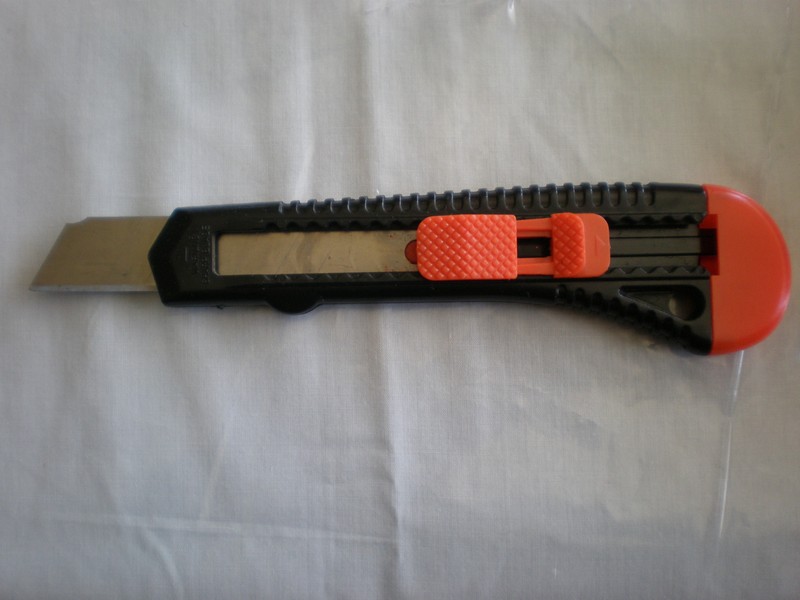
A retractable utility knife stores its blade inside a handle and extends it for cutting. Depending on model, the blade may lock at several positions or retract automatically when released. This can offer variable exposure for material thickness and compact storage. Mechanisms differ, so buyers should verify blade compatibility, locking behavior, blade exposure, and replacement method. A retractable design does not remove the need for safe handling and blade disposal. Separate the handle decision from utility knife blade geometry, which controls the edge presented to the material.
- Check whether releasing the slider retracts the blade or leaves it locked out.
- Confirm the shortest available extension suits the intended material.
| Mechanism | Blade after release | Buying implication |
|---|---|---|
| Manual retractable | May remain extended | User must retract it |
| Automatic retracting | Returns as specified by design | Test the exact release behavior |
Name the retraction behavior. Request a demonstration of release and storage rather than accepting the word retractable as a safety specification.
2. What is a folding utility knife?
A folding utility knife pivots its blade assembly into the handle for storage and deploys it for use. Some designs accept replaceable trapezoid blades, while snap-off blade models use a different holder system. Check whether the deployed blade locks securely and how users release it. Folding convenience does not establish job suitability; blade shape, handle support, and workpiece determine the right knife. A portable knife should occupy a protected position in a household tool kit.
- Check that the closed carrier covers the cutting edge.
- Locate the release control and confirm fingers can stay clear while closing.
| Folding feature | Check in a sample | Reason |
|---|---|---|
| Open-position lock | Positive engagement | Prevent unintended closure |
| Closed storage | Edge fully contained | Protect handling between tasks |
Try the whole opening cycle. Have the intended user open, lock and close the sample according to its instructions before testing cuts.
3. How do their mechanisms compare?
Retractable knives move the blade along a track; folding knives rotate a blade carrier around a pivot. Retractable models can offer adjustable extension, while folding types may close quickly into a compact body. Both mechanisms rely on locks or detents that must work correctly. Inspect for blade play, accidental release, and reliable retraction or folding. Use the exact model’s instructions. For a maintenance kit, place knife deployment requirements alongside the other tasks in the industrial maintenance tool guide.
- Inspect both the carrier lock and the blade-retaining feature.
- Check whether packed dust affects accessible moving parts during ordinary use.
| Moving component | Retractable model | Folding model |
|---|---|---|
| Deployment path | Linear track | Pivot and carrier |
| Service inspection | Slider and blade guide | Pivot, carrier lock and blade latch |
Separate blade retention from deployment. Record these as two inspection items so a secure handle lock does not conceal a loose blade.
4. Which works better for packaging?
For opening cartons, trimming film, or cutting corrugated board, a retractable model can provide a controlled short blade exposure. Some folding knives may be faster to deploy or easier to carry between tasks. The choice depends on cut depth, repeat frequency, glove use, and site knife policy. Avoid deep blade exposure where product or contents could be damaged. A suitable cutting surface and controlled stroke matter as much as handle style. Where the job includes stripping electrical conductors, specify the appropriate wire stripper or cutter separately from the carton knife.
- Test the shallowest cut that opens a representative carton.
- Check the packed item clearance beneath the carton seam.
| Packaging task | Candidate feature | Acceptance observation |
|---|---|---|
| Opening sealed cartons | Controlled shallow exposure | Contents remain unmarked |
| Repeated film cutting | Suitable guarded cutting path | Film feeds without bunching |
Use a filled test package. Place sacrificial material beneath the seam and inspect it after opening to assess excess penetration.
5. How do they handle blade changes?
Retractable holders may use a slider, screw, or auto-lock mechanism; folding knives may require unfolding and releasing a retaining feature. Buyers should compare change steps, spare blade format, storage, and whether spent blades can be contained safely. For snap-off styles, blade widths and segment geometry must match the handle. OLFA’s FAQ notes its blades are not guaranteed compatible across manufacturers, so verify fit. For recurring wire preparation, compare automatic and manual wire strippers rather than adding that task to a general knife trial.
- Match the refill code to the approved holder before buying bulk blades.
- Verify that a replacement seats fully without forcing the latch.
| Blade system | Replacement route | Inventory requirement |
|---|---|---|
| Trapezoid utility blade | Release and replace whole blade | Compatible notch and thickness |
| Snap-off strip | Renew segment or replace strip | Approved width and blade code |
Document the refill alongside the knife. Keep one accepted spare pack with the sample so receiving checks include both parts of the system.
6. What safety features should buyers compare?
Look for positive locking, guarded blade exposure, controlled retraction or folding, grip texture, and safe spent-blade storage. Safety knives may use guarded or auto-retract mechanisms, but no feature makes a knife risk-free. Review site policy and task-specific risk assessment before selecting. OLFA’s safety knife range reflects a product category focused on workplace safety; compare exact operation and user training requirements. If workers also cut sheet metal, select suitable aviation or tin snips for that operation.
- Check the site knife policy before shortlisting exposed-blade models.
- Test whether the release can be operated with the gloves used for the job.
| Site requirement | Candidate category | Further check |
|---|---|---|
| Blade must retract when released | Specified automatic-retract model | Actual trigger behavior |
| Edge access must be guarded | Guarded cutter | Material fits the opening |
Select against the site's written requirement. Ask the safety lead to review the proposed mechanism and instructions before a wider workplace trial.
7. How do blade exposure and rigidity affect cuts?
Longer exposure may reach through thicker material but increases exposed edge and leverage on the blade. Insufficient support can allow blade flex or breakage. Select the minimum exposure that completes the cut and use a fresh blade when performance declines. Handle stiffness, blade guidance, and material resistance all affect control. Follow OLFA’s handling guidance and the exact holder instructions rather than forcing the cut. For metal stock requiring sawing, use a suitable saw and follow the hacksaw workflow instead of forcing a knife.
- Set blade exposure for the material before starting the cut.
- Stop if the blade flexes, twists or needs increasing force.
| Cutting symptom | Check first | Response |
|---|---|---|
| Dragging or torn edge | Blade condition | Renew using approved method |
| Blade bending sideways | Alignment and support | Stop and reset the cut |
Change the cause before adding force. Record whether a failed trial came from a dull edge, unsupported extension or unsuitable material.
8. What should distributors assess in samples?
Cycle the lock, extension, retraction, folding, and blade replacement steps. Confirm that compatible spare blades are clearly identified and stay secure in the holder. Examine handle edges, pivot play, and grip with typical gloves. Test on representative packaging under controlled conditions, then inspect for damage. A brief sample evaluation does not establish injury rates or regulatory compliance. A distributor assembling service kits can use the mechanic tool assortment guide to define the knife's role.
- Use the same material and blade condition for both samples.
- Check how the knife sits in the hand during several normal cuts.
| Sample observation | Acceptable evidence | Reason to hold |
|---|---|---|
| Blade replacement | Fully seated refill and closed latch | Incomplete engagement |
| Storage action | Edge contained after closing | Exposed tip or unreliable closure |
Keep a short trial record. Photograph the loaded holder and note any release, grip or retention problem against the sample code.
9. How should buyers choose between them?
Choose a retractable model when adjustable blade exposure and slider-based handling fit the work. Choose a folding model when fold-away storage and pivot deployment suit the user and policy. Then compare blade type, hand size, locking, spare parts, and carry method.
- Compare carried size with the knife fully closed.
- Account for refill supply as well as the initial handle price.
| Work pattern | Likely starting point | Deciding test |
|---|---|---|
| Repeated shallow cuts | Adjustable retractable | Minimum exposure and return action |
| Intermittent portable use | Folding utility knife | Closed fit and deployment |
Choose the model that completes the workflow. Evaluate opening, cutting, blade change and storage together before committing to an assortment.
10. What belongs in a knife RFQ?
Specify mechanism, blade format, compatible widths, lock style, number of blade positions, spare storage, handle material, and intended materials. Request operating instructions and product images showing the blade holder. Confirm any safety requirement with the customer’s site policy; avoid unsupported “safe” or injury-prevention guarantees.
- Include the required blade-return behavior in the written quote request.
- State whether spare blades and a disposal container belong in the supplied kit.
Make acceptance observable. Attach the sample trial sheet and approved refill code to the RFQ so substitutions can be reviewed explicitly.
Frequently asked questions
Q1: How does a retractable knife store its blade? A slider moves the blade into the handle; mechanisms and locks vary by model.
Q2: How does a folding utility knife store its blade? Its blade carrier pivots into the handle and should lock as directed by the maker.
Q3: Which is better for packaging? Choose based on required exposure, deployment, site policy, and material; test representative cartons.
Q4: Can any refill fit any knife? No. Confirm blade format and compatibility for the exact holder.
Q5: Does retractable mean safer? No mechanism removes risk; follow task controls and knife policy.
For a quotation, contact our team with the selected configuration and sample acceptance requirements.
Looking for a reliable mechanic tools manufacturer in China?
If you are sourcing hand tools, socket tools, automotive repair tools, mechanic tool sets or OEM private label tools, contact KOLARWIN Tools for factory-direct quotation, customization support and product consultation.