Need OEM supplier support for this product type?
Contact KOLARWIN Tools for OEM mechanic tools, private label packaging, wholesale quotation and product range support. This gives overseas buyers a clear path from article reading to supplier discussion.
Bolt cutters can make a controlled cut through suitable stock, but wrong diameter or hardness can damage jaws or send cut pieces flying. Match stock with the exact tool rating, secure loose work, and use a square, steady cut. Manufacturer manuals support each step below; model instructions and local safety rules still govern.
1. What do bolt cutters do, and how do they work?
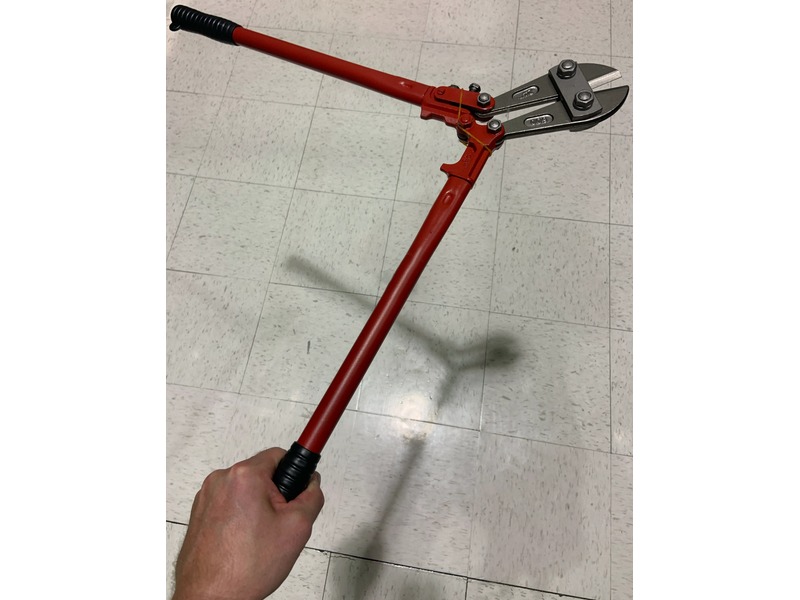
Manual bolt cutters use long handles and a compound linkage to transfer hand force into two cutting edges. Frame length affects reach and applied force, but does not by itself prove a cutter’s capacity. Jaw shape, blade material, joint geometry, adjustment, and rated stock all matter. A center-cut design suits some bolt or rod tasks, while other head patterns may serve different access needs. Follow the exact product description and manual before choosing a cutter for a job. Do not treat “bolt cutter” as a universal metal cutter: some products have explicit exclusions, such as cable. If the task concerns cable, compare purpose-built choices in our cable cutter versus diagonal cutter guide. For cutters used on hard stock, verify size and hardness limits before work begins.
Think of the tool as a rated cutting system. The handle, linkage, and jaws must all suit the same material and setup. Before use, identify:
- Exact model and the manufacturer’s capacity label.
- Jaw style and any stated material exclusions.
- Intended stock, including material type, hardness, and diameter.
If any detail is unknown, pause and check the manual or supplier data.
What defines a bolt-cutter setup?
| Component | What to identify | Why it matters |
|---|---|---|
| Handles and linkage | Model and length | Reach and mechanical advantage |
| Cutting head | Jaw profile and adjustment | Stock fit and cutting position |
| Workpiece | Material, hardness, diameter | Must remain inside model rating |
2. How do you confirm material and size are within capacity?
Read the tool label or current manual before cutting. Capacity can change with stock hardness even when diameter stays the same. Some product tables list separate maximum diameters for soft, medium, and hard material. Klein’s catalog, for example, gives different limits for its 24-inch model 63324: 7/16 inch for soft or medium material and 5/16 inch for hard material. Those figures apply to that model and the catalog’s stated hardness bands; they are not a general rule for other cutters. KNIPEX likewise ties diameter range to material hardness and type in its manual. Do not infer a safe limit from handle length or from the name “heavy duty.” Do not assume every bolt, chain, rod, or mesh can be cut. Confirm stock grade and size from its specification or supplier before selecting a cutter.
Check hardness and diameter together. Use the lower applicable limit when specifications define multiple conditions. Compare:
- Stock type and hardness with the maker’s rating table.
- Actual outside diameter with the model’s maximum.
- Special exclusions, including cable or tempered stock.
If stock data cannot be confirmed, choose a verified process and tool through a qualified supervisor.
Capacity check before cutting
| Check | Evidence | Stop when |
|---|---|---|
| Material | Stock mark, drawing, or supplier record | Grade or hardness is unknown |
| Diameter | Measurement at cut point | Size exceeds model limit |
| Tool rating | Current label or maker manual | Rating is missing or ambiguous |
| Exclusions | Manual warnings | Stock type is prohibited |
3. What should you inspect before using bolt cutters?
Use a cutter in technically sound condition. Inspect cutting edges for chips, cracks, deformation, or uneven contact. Check pivot bolts, adjustment screws, locknuts, handles, grips, and any stop or guard listed in its manual. Open and close the tool without a workpiece; motion should not bind, and jaws should meet or gap as the maker specifies. Do not make a generic jaw-gap adjustment based on another model’s directions. KNIPEX’s manual allows a model-specific readjustment method using eccentric screws, while other brands may use a different setup. Replace a damaged tool or route it for authorized service. Never improvise a repair by grinding, heating, welding, or bending a cutting head. Before work, clean oil or grease from handles so hands retain a firm hold.
A smooth movement check can catch problems early. Look for visible damage, then confirm adjustment only as your manual directs. Inspect:
- Cutting edges and jaw alignment.
- Pivot, adjustment hardware, and handle condition.
- Grips for oil, tears, looseness, or contamination.
Tag and remove a damaged cutter from service rather than trying a test cut.
Pre-use inspection
| Part | Check | Action if defective |
|---|---|---|
| Jaws | Chips, cracks, uneven contact | Stop; replace or service per maker |
| Pivot and adjustment | Loose, seized, or altered parts | Follow model instructions |
| Handles and grips | Bends, cracks, oil, loose grips | Remove from service |
4. How do you secure stock and prepare the cutting area?
Cut stock can move or fly when the jaws break through. Wear eye protection and use any additional protective equipment required by the task or site. Keep bystanders clear of the cut path. Secure loose work in an appropriate vise or fixture; make sure support will not interfere with the jaws or create a pinch point. Restrain both sides when cutoffs could swing or fall. RIDGID’s operator sheet warns that harder material may fly more readily and advises protecting the ends, controlling the work, and alerting people nearby. Follow site procedures for overhead, energized, confined-space, or other controlled work. A hand tool marked non-insulated does not provide electrical protection. Do not cut live wire; use only an authorized, verified de-energized process and tool where electrical work applies.
Set the work area before opening the jaws. The goal is to keep the stock stable and people outside its path. Confirm:
- The workpiece is restrained against rotation or sudden release.
- Cutoff pieces cannot strike a person or damage equipment.
- The operator has stable footing and clear handle travel.
Use the site’s required PPE and lockout process where applicable.
Work-area controls
| Hazard | Preparation | Verification |
|---|---|---|
| Flying cutoff | Restrain both sides; clear nearby people | Cutoff has a controlled path |
| Stock slip | Clamp or fixture loose stock | Support resists movement |
| Pinch or handle travel | Clear the operating zone | Hands stay outside jaws and linkage |
5. Where should the workpiece sit in the jaws?
Place stock deep into the cutting head, near the joint, as the tool manual directs. This position reduces required handle force for many center-cut designs and helps avoid loading the jaw tips. Keep cutting edges square to stock. RIDGID says not to cut diagonally; twisting or prying can chip or break jaws. Maintain the orientation needed for the cutter’s specific head style and access conditions. Do not crowd fingers near edges, pivots, or handles. If jaw geometry will not reach the stock straight on, stop and choose a suitable cutter head or process. Do not tilt the jaws and compensate with extra force. The flush cutters versus diagonal cutters comparison covers a separate hand-tool category; blade names and uses should remain distinct in a work instruction.
Seat stock, then check alignment. Before applying pressure, confirm stock lies between both edges and the cutter sits squarely across it. Check:
- Stock is near the joint, not perched on jaw tips.
- Jaws meet the intended cutting point at a right angle.
- Hands and sleeves remain clear of the head and hinges.
If you cannot position the cutter squarely, change access or tool selection.
Jaw-position check
| Position | Check | Avoid |
|---|---|---|
| Stock depth | Near joint per model instructions | Loading the jaw tips |
| Jaw angle | Square to stock | Diagonal contact |
| Operator position | Hands clear of pinch points | Fingers near jaws or hinges |
6. How do you make a controlled cut?
Once the stock is rated, secure, and correctly positioned, bring handles together with slow, steady pressure. Keep the cutter square and maintain control as the edges close. RIDGID warns against hammering handles, using pipe extensions, twisting, prying, or bending stock with the jaws. These actions can overload handles or damage cutting edges. Do not make a sudden jerk or let the handles snap together after the cut. Watch the workpiece and cutoff, while keeping your hands clear. If the cut stalls, stop and review material, diameter, jaw adjustment, and tool condition. Never put a foot on a handle or add a cheater bar to force completion. For other cutting-tool distinctions, see wire stripper versus wire cutter; that guide covers wire tools rather than bolt-cutter capacity.
Let the mechanism do its rated work. A controlled stroke protects the jaws and helps contain the cutoff. During each cut:
- Apply steady pressure with both handles as designed.
- Keep jaws square and body parts outside the cutting path.
- Stop if stock shifts, jaws twist, or effort rises unexpectedly.
Do not use impact, extensions, or body weight to overcome resistance.
Controlled-stroke sequence
| Stage | Operator action | Check |
|---|---|---|
| Before closing | Confirm stock, support, and square jaw contact | Rating and setup still match |
| During cut | Press handles steadily | No twist, slip, or unusual resistance |
| After release | Control both cut ends | No loose cutoff or jaw damage |
7. What should you do if bolt cutters will not cut through?
Stop. Do not repeat the same stroke with greater force. Recheck material type, hardness, diameter, jaw position, and tool adjustment against the exact model manual. Inspect for a shifted workpiece, dull or chipped edges, loose hardware, or a gap that differs from the maker’s setting. If stock exceeds capacity, select another approved cutting method or a cutter rated for that material. A longer handle does not automatically mean the jaws can cut harder or larger stock; the manufacturer’s capacity table decides. Do not use an extension tube, hammer, grinder, or improvised heat treatment to force a cut. If jaws are damaged, remove the cutter from service. The adjacent bolt extractor versus screw extractor guide discusses removal tools for fasteners; extraction and cutting solve different problems.
Resistance is a signal to reassess. Stop, unload pressure safely, and inspect the setup before choosing a next step. Verify:
- Stock hardness and size against the tool rating.
- Jaw condition and maker-specified adjustment.
- Whether another rated cutter or process is required.
Escalate uncertain stock or process limits to a qualified lead.
Troubleshooting guide
| Symptom | Possible check | Safe response |
|---|---|---|
| Stock does not cut | Hardness or diameter beyond limit | Stop; select rated process |
| Cut is uneven | Jaw alignment or stock movement | Recheck per manual and secure stock |
| Jaw slips or binds | Contamination, wear, or damage | Remove from service if defect remains |
8. How should you clean, adjust, and store bolt cutters?
After use, remove debris and wipe metal surfaces dry. Keep handles clean and free from oil or grease. Lubricate moving joints only as the manufacturer recommends; excess oil on grips can cause slipping. Check jaws and adjustment hardware for wear after repeated work. Make adjustments only with the specified tool and procedure. KNIPEX’s manual describes a particular eccentric-screw method for its cutter head and warns that fully closing its edges can cause breakage. That setting should not be copied to a different brand. Replace worn heads or parts with approved components. Store cutters where jaws will not strike other tools or fall from a shelf. The hand tools for home repairs guide offers broader tool-care context; service details remain model-specific.
Protect the cutting edges between shifts. A clean, dry, correctly adjusted tool is easier to inspect next time. For maintenance:
- Wipe dirt and moisture from jaws and handles.
- Lubricate pivots only where the manual specifies.
- Store securely with jaws protected from impact.
Send uncertain repairs to authorized service rather than improvising.
Maintenance record
| Item | Routine check | Record |
|---|---|---|
| Cutting head | Edge condition and alignment | Inspection or replacement date |
| Joints | Movement and maker-approved lubrication | Service action |
| Storage | Protected jaws and dry location | Assigned location |
9. How should buyers select bolt cutters for an application?
Start with stock specification, not handle length. Record material type, hardness range, diameter, access, cut frequency, and where cutoffs will travel. Then compare manufacturer capacity tables for a specific model and head style. Confirm whether the listing excludes cable or other stock. Handle length may affect reach and applied force, but cannot replace a hardness-and-diameter rating. Check jaw pattern, adjustment method, replacement head availability, grip condition, packaging, and instructions. For cable or rope tasks, use a purpose-designed tool; compare wire rope cutter versus cable cutter and how to choose a wire rope cutter. Distributors should avoid promising that one model cuts every hard metal. The home-repair hand-tool guide can help frame consumer assortment needs, while industrial listings should stay tied to verified use cases.
Keep each claim linked to a model record. Product pages should distinguish length, material limits, and accessories. For sourcing, verify:
- Rated hardness and maximum diameter by stock category.
- Model, jaw design, adjustment, and included parts.
- Manual, replacement components, and packaging details.
Ask for evidence behind each published capacity before listing a new SKU.
Selection fields for a product record
| Field | Buyer entry | Supplier evidence |
|---|---|---|
| Workpiece | Type, grade, hardness, diameter | Approved capacity table |
| Access | Approach angle and available room | Model drawing and jaw pattern |
| Lifecycle | Frequency, spares, storage | Manual and replacement-parts list |
10. What should a bolt-cutter RFQ include?
Send the supplier stock type, grade or hardness, diameter, cut location, access, and expected frequency. Include a scaled drawing or photo if geometry matters. Request exact model, capacity table, manual, jaw style, adjustment instructions, and exclusions. Confirm service parts, packaging, and label needs. Keep each rating linked with its model and stock category. Avoid a generic promise to “cut all steel.” Identify unknown material before selecting a hand cutter. Send one target-market application through KOLARWIN’s contact page for an evidence-based fit discussion.
- Stock grade or hardness, diameter, cut location, and access.
- Exact model rating, jaw setup, manual, and exclusions.
- Required spares, packaging, labels, and market.
Make the next step a documented match. Share one application, its verified stock data, and target market. Ask for a sample only after capacity evidence and model identification are clear.
Q1: Where should stock sit in bolt-cutter jaws?
Place it near the jaw joint, following the exact manual. Keep the cutting edges square to stock.
Q2: Can longer handles cut harder metal?
Handle length does not establish jaw capacity. Check the maker’s hardness and diameter table for the exact model.
Q3: Should I use a pipe over a handle for added force?
No. RIDGID warns against handle extensions because added force can break handles or jaws.
Q4: Can bolt cutters cut electrical cable?
Do not cut live wire. Some manuals also prohibit cable cutting with that model; check its stated use and select an approved cable tool when required.
Q5: What should I check if a cut stalls?
Stop and review stock hardness, diameter, jaw position, adjustment, and tool condition. Do not hammer or force the handles.
Looking for a reliable mechanic tools manufacturer in China?
If you are sourcing hand tools, socket tools, automotive repair tools, mechanic tool sets or OEM private label tools, contact KOLARWIN Tools for factory-direct quotation, customization support and product consultation.