Need OEM supplier support for this product type?
Contact KOLARWIN Tools for OEM mechanic tools, private label packaging, wholesale quotation and product range support. This gives overseas buyers a clear path from article reading to supplier discussion.
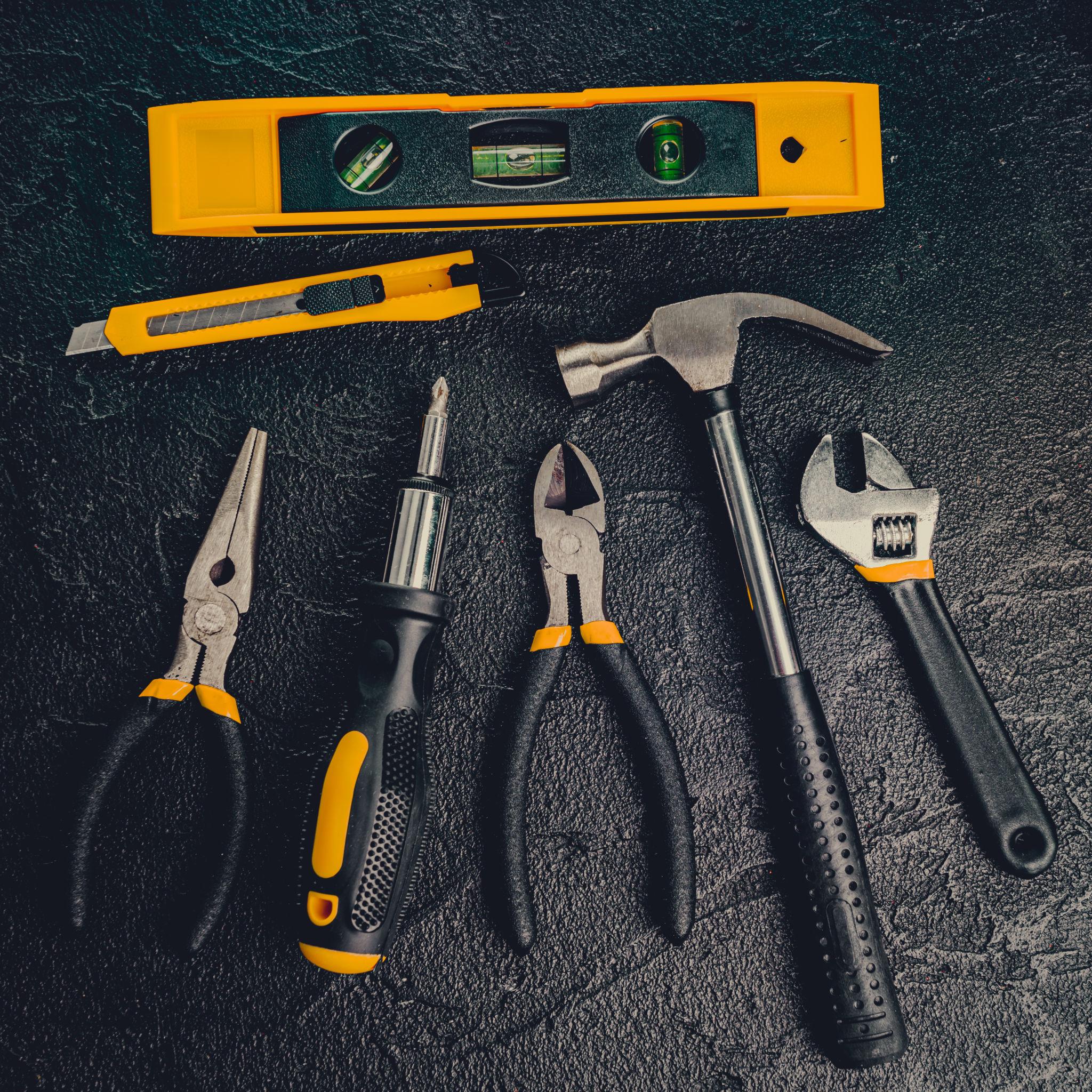
The 14 hand tools that keep home repairs super simple include screwdrivers, utility knives, claw hammers, pliers, tape measures, adjustable wrenches, bar clamps, pry bars, wire strippers, levels, and a handful of other essentials — each one solving a problem you didn’t know you’d face until it was already too late.
Picture this: a leaky compression fitting has been dripping under your kitchen sink for three weeks. You’ve been setting a bowl under it and telling yourself you’ll “get to it.” Finally, you pull open the cabinet, look at the fitting, and realize you don’t own a single wrench. The drip becomes a full weekend plumber’s bill. That moment of helpless searching is exactly what the right toolkit prevents — not someday, but starting today.
Most homeowners put off building a proper tool collection until something breaks at the worst possible moment. By then, the stress and the service call fee are already unavoidable. The good news is that you don’t need a garage full of power tools to handle the vast majority of home fixes. A carefully chosen set of essential home repair tools — hand tools specifically — gives you the control, precision, and confidence to handle whatever your home throws at you.
What home repair tools Should Every Homeowner Keep Ready?
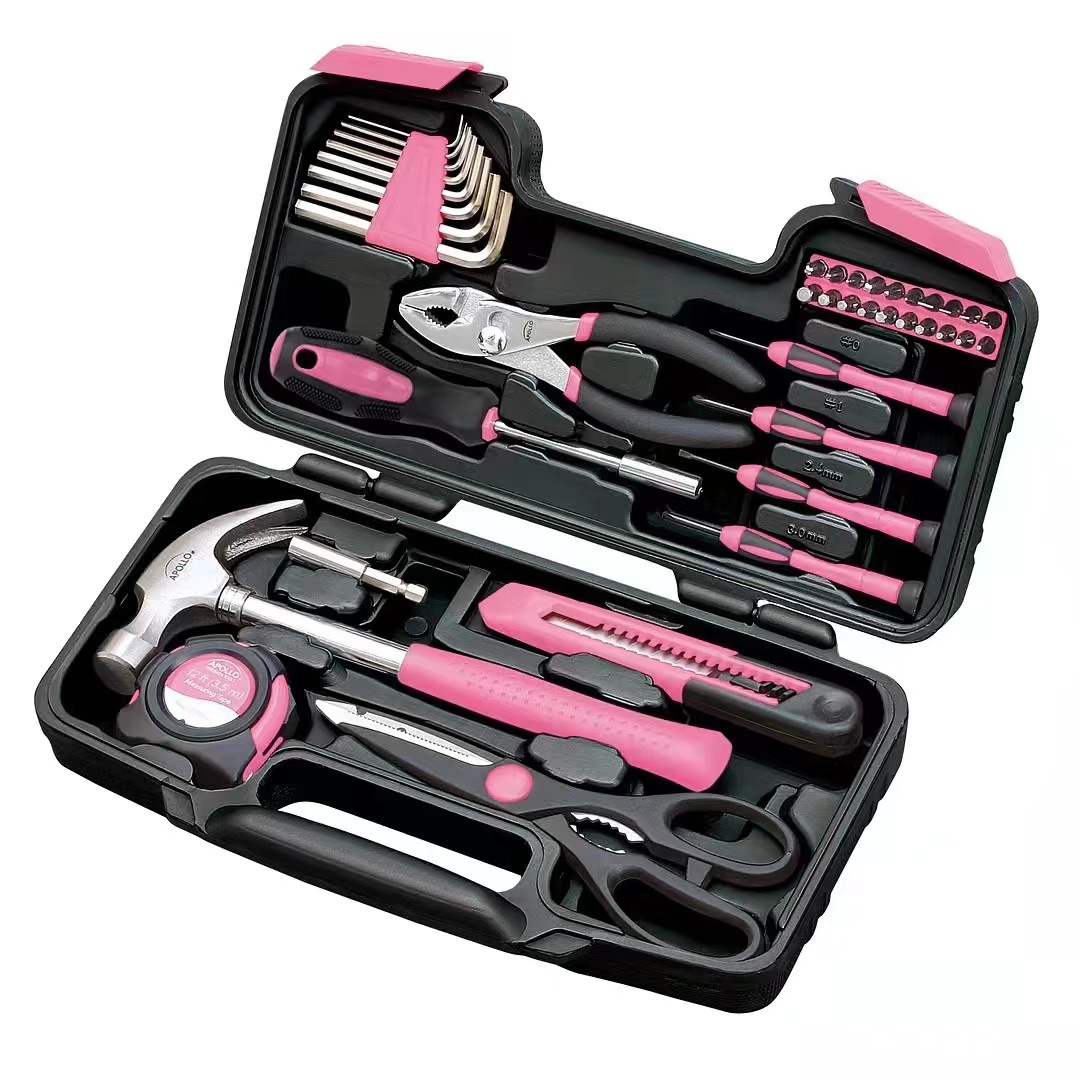
Every homeowner should keep a multi-bit screwdriver, claw hammer, adjustable wrench, utility knife, pliers, and tape measure as their core home repair tools — these six items handle the overwhelming majority of common household fixes. A well-chosen hand tool collection covers everything from tightening a loose hinge to rewiring a light switch, giving you reliable results without the risk of over-torquing delicate fasteners with power tools. Knowing which tools to prioritize means you’ll always be prepared when something needs attention — and something always does.
Why a Multi-Bit Screwdriver Belongs in Every Toolkit
A multi-bit screwdriver is the single most-used tool in any home, handling everything from assembling furniture to adjusting cabinet hinges to replacing outlet covers. One handle, many tips, far less clutter in your toolbox — it’s the smartest consolidation you can make.
Here’s the thing: not all drivers are created equal. Look for these features when choosing your multi-bit driver:
- A non-slip cushion-grip handle for comfortable torque
- A magnetic tip holder that keeps bits and screws from dropping
- Bit types covering Phillips, flathead, Torx, and Robertson formats
- S2 alloy steel bits that resist cam-out under pressure
Investing in a quality driver up front saves you from replacing three mediocre ones later.
How to Choose the Right Bit for Every Fastener
Matching the right bit to the fastener before applying torque is the single habit that prevents the most damage in home repair. A slightly undersized bit cams out instantly and strips the head, turning a 30-second task into an hour-long extraction project. For most modern household screws, a Phillips #2 and a Torx T25 cover the vast majority of situations.
The real question isn’t which driver to buy — it’s whether you commit to using the correct bit every single time.
Do You Need a Dedicated Hand Impact Driver?
A hand impact driver converts a hammer blow into a burst of rotational torque, breaking loose corroded or over-tightened screws that a standard driver simply cannot move. It’s especially valuable for old deck screws, stubborn door hinge plates, and appliance panels that haven’t been opened in years. And here’s why it matters: the alternative to owning one is usually a stripped screw you’ll spend an hour trying to remove.
Key Takeaway: A quality multi-bit screwdriver handles 80% of daily fastening needs. A hand impact driver handles the 20% that refuses to cooperate.
| Tool | Best For | Relative Torque |
|---|---|---|
| Multi-bit screwdriver | General household fasteners | Low–Medium |
| Phillips screwdriver | Most modern screws | Low–Medium |
| Hand impact driver | Corroded or stuck fasteners | High |
Start with the multi-bit screwdriver and add the impact driver once you encounter a job it can’t crack.
How Does a Utility Knife Simplify Your home repair tools Kit?
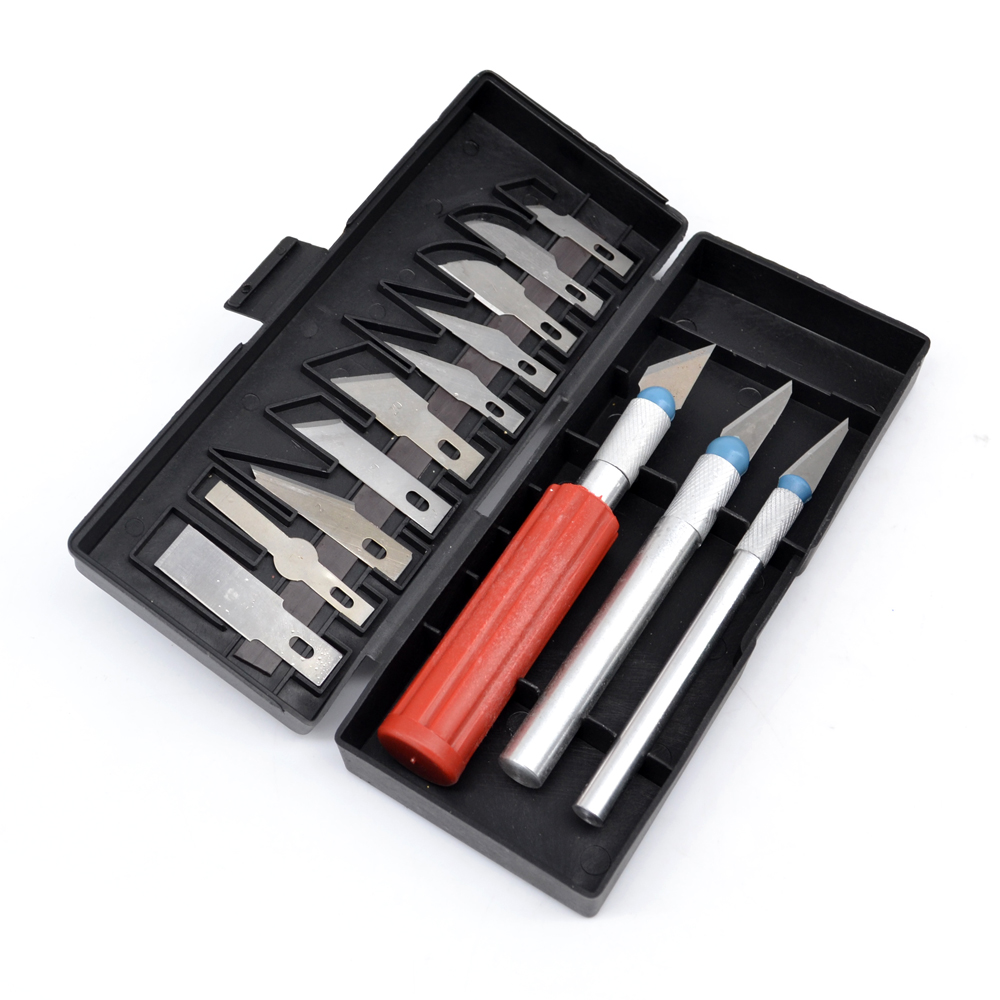
A utility knife is one of the most versatile home repair tools in existence, supporting every project from unpacking materials to scoring caulk, trimming flooring edges, and cutting insulation. It handles a surprising range of tasks with zero setup and zero power source required. Most homeowners already own one — the problem is usually a blade so dull it’s doing more tearing than cutting.
What Blade Types Work Best for Home Repairs?
Utility knives accept several blade profiles, and choosing the right one dramatically affects your results and your safety. A standard straight blade handles the widest range of tasks, while specialized profiles tackle specific materials far more cleanly than a general-purpose blade could.
Here’s what to keep stocked in your blade supply:
- Standard straight blade — drywall scoring, cardboard, soft plastics, general cutting
- Hook blade — carpet, flooring underlayment, roofing shingles
- Pointed detail blade — gaskets, precision trim work, caulk removal
Ready for the best part? Most snap-off and retractable knives use the same universal blade format, so you can stock one type and use it across multiple tool bodies.
When Should You Replace the Blade?
The most common utility knife mistake is using a blade long past its useful life. A fresh blade glides through material with minimal pressure — a dull blade requires force and is far more likely to slip and cause injury. As a practical rule, replace the blade every two to three projects, or any time you feel yourself pushing harder than the material should require.
Key Takeaway: A sharp blade under light control is always safer than a dull blade under heavy force — make blade replacement a habit, not an afterthought.
| Blade Type | Material | Recommended Replacement |
|---|---|---|
| Standard | Drywall, plastic, cardboard | Every 2–3 jobs |
| Hook | Carpet, roofing materials | Every 3–5 jobs |
| Detail / pointed | Caulk, gaskets, precision trim | Every 1–2 jobs |
Keeping a variety of blade profiles on hand means you always have the right edge for the material at hand.
Why Is a Quality Hammer Among the Best home repair tools?
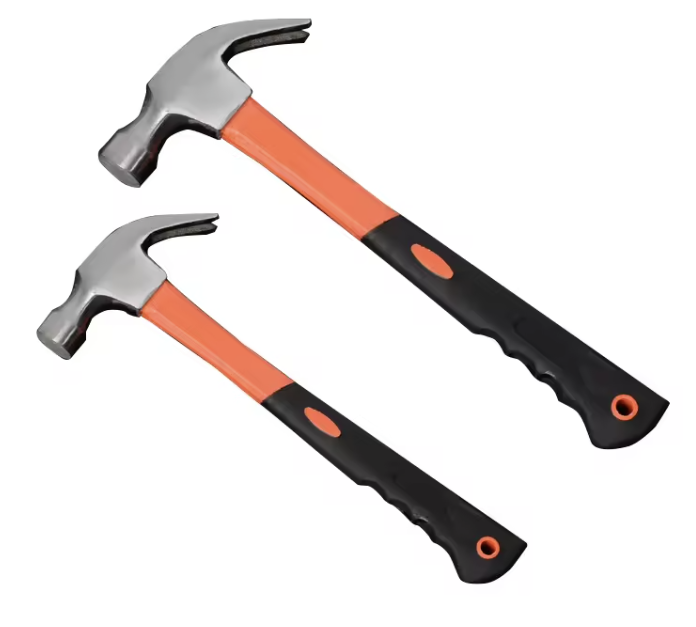
A claw hammer is among the most indispensable home repair tools a homeowner can own — it drives nails, pulls them out, and helps pry apart light materials, all in a single tool that weighs less than two pounds. A 16 oz. model with a fiberglass or rubber-grip handle offers the best all-around balance of driving power, precision control, and all-day comfort for household use.
Why a Claw Hammer Outperforms a Mallet for Home Use
A claw hammer does double duty in a way no mallet can — the curved claw end pulls finish nails cleanly from trim and flooring without damaging surrounding surfaces. This makes it irreplaceable for baseboard removal, furniture repair, and picture-hanging tasks done properly. A mallet, by contrast, is designed to drive chisels and can crack finished surfaces that a claw hammer handles with finesse.
Here’s what to prioritize when choosing a claw hammer:
- A fiberglass handle that absorbs shock and won’t loosen over time
- A 16 oz. head weight for the best balance between power and control
- A smooth striking face for driving nails flush without marking the surface
- A curved claw optimized for leverage when pulling stubborn nails
How Do You Drive Nails Without Damaging Finished Surfaces?
Nail driving causes real problems when done carelessly — over-driving a nail into trim or painted drywall leaves an ugly dimple that requires filling, sanding, and repainting. Start by tapping the nail lightly to set the point, then use controlled full swings to drive it most of the way home. For the final millimeter, use a nail set to tap the head just below the surface without the hammer face ever touching the finish.
Key Takeaway: A single 16 oz. claw hammer, used with patience and a nail set, handles 90% of all nail-related home repairs with zero collateral damage to surrounding material.
| Task | Best Approach | Risk Without Right Tool |
|---|---|---|
| Driving finish nails | Claw hammer + nail set | Visible surface dents |
| Removing embedded nails | Curved claw with a block under | Splintered boards |
| Removing trim boards | Pry bar + claw hammer | Cracked trim, wall gouges |
The claw hammer is one of the highest-return tool investments — it’s genuinely useful every single week in an active household.
What Makes Pliers Essential home repair tools for Any Fix?
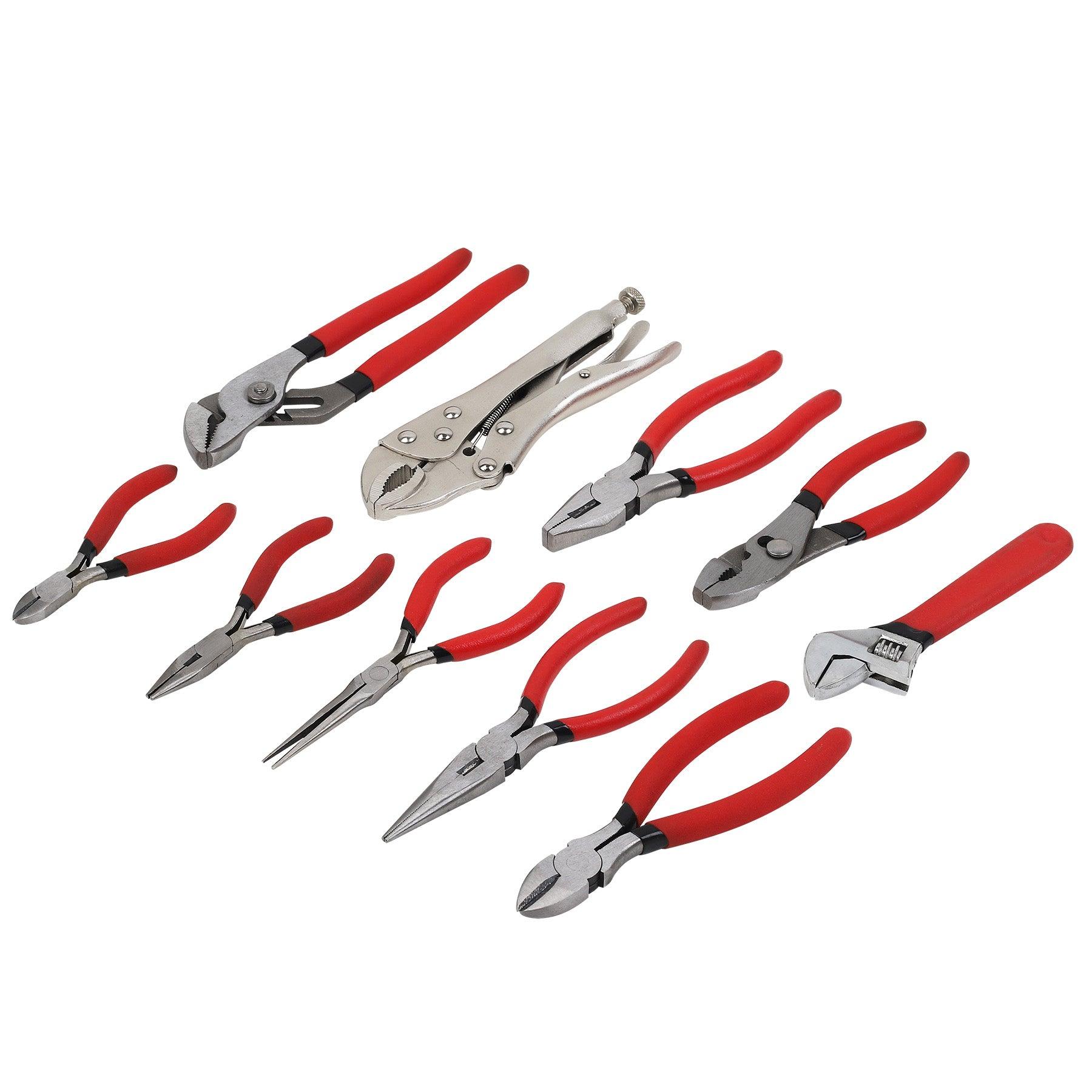
Pliers are the gripping backbone of any home repair toolkit, letting you hold, bend, cut, and manipulate materials that your fingers simply cannot manage alone. Whether you’re tightening a supply line under the sink, bending a wire terminal for a new outlet, or pulling a cotter pin from a gate hinge, a well-chosen pair of pliers is always the right tool for the job.
Which Three Types of Pliers Cover the Most Ground?
Three types of pliers handle the vast majority of home repair situations, eliminating the need for a collection of single-purpose specialty tools:
- Slip-joint pliers — general gripping for pipes, large nuts, and fittings with an adjustable jaw width
- Needle-nose pliers — reaching into tight spaces, bending wire leads, guiding small parts into position
- Locking pliers — clamping onto rounded or stripped fasteners with a vice-like grip that won’t release
Start with needle-nose and slip-joint pliers. Add locking pliers the first time you encounter a stripped bolt — and you will encounter one.
How Do Needle-Nose Pliers Earn Their Place in Your Kit?
Needle-nose pliers are the unsung heroes of home repair, reaching into junction boxes, behind access panels, and inside appliances to retrieve dropped screws or guide wire leads with precision. They’re equally useful for forming wire ends around terminal screws on outlets and switches. And here’s the bonus: most needle-nose models include a wire cutter near the pivot, giving you two capabilities in one compact tool.
Key Takeaway: Three pairs of pliers — slip-joint, needle-nose, and locking — provide complete gripping coverage for virtually any home repair scenario you’ll encounter.
| Plier Type | Primary Use | Bonus Capability |
|---|---|---|
| Slip-joint | Pipes, large nuts, fittings | Adjustable jaw for multiple sizes |
| Needle-nose | Wire, small parts, tight spaces | Built-in wire cutter |
| Locking | Stripped fasteners, clamping | Functions as a hands-free clamp |
Add each plier type in the order your projects demand it — your toolkit should grow from real experience, not guesswork.
Which home repair tools Are Best for Accurate Measurements?
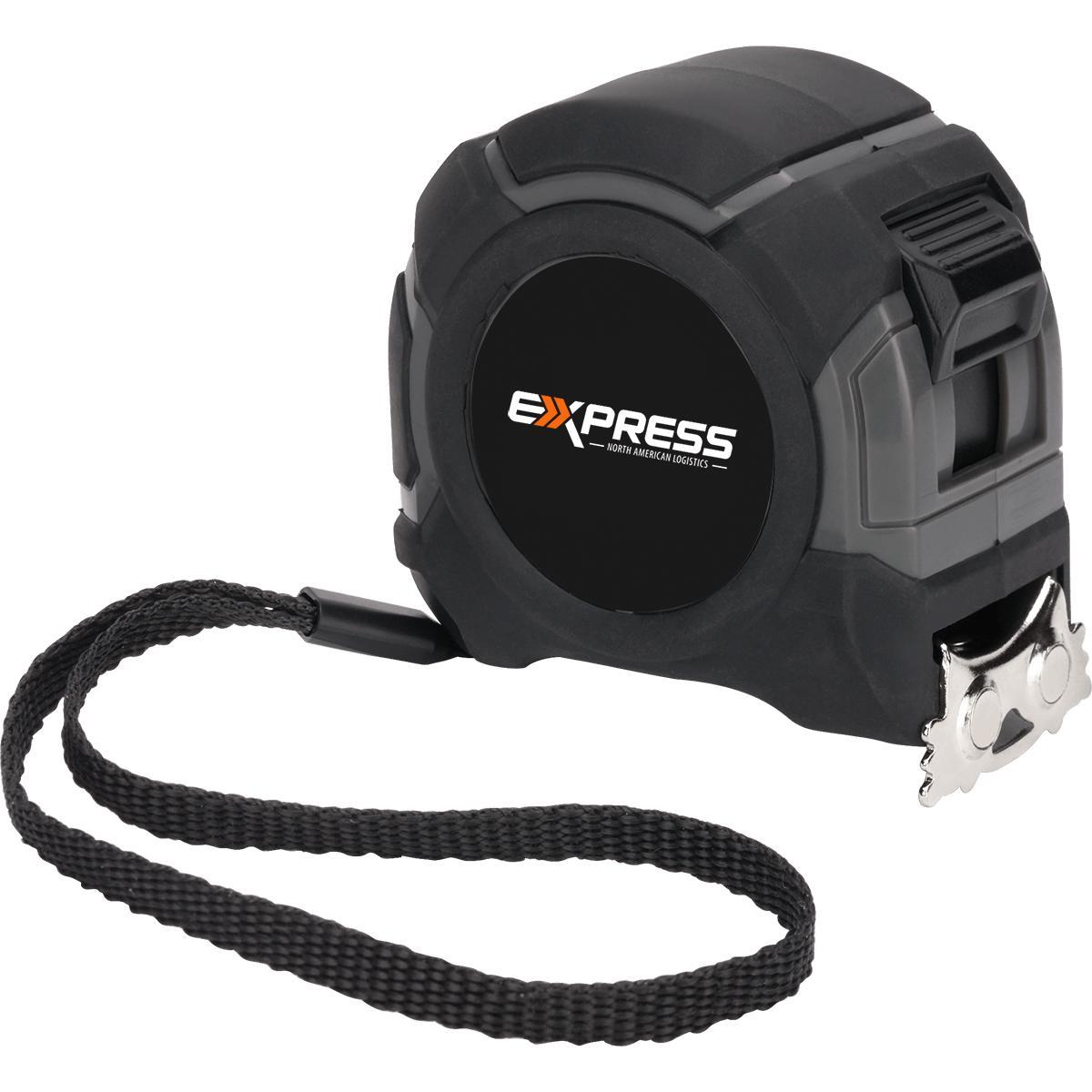
The best home repair tools for accurate measuring are a 25-foot tape measure, a torpedo level, and a combination square — together, these three cover every distance, alignment, and angle-checking task a homeowner will face. Measuring accurately is the difference between a repair you’re proud of and one you redo three times because something is visibly off.
Why a 25-Foot Tape Measure Is the Right Starting Point
A 25-foot tape measure handles room dimensions, furniture placement, material cutting, and outdoor measurements without the bulk of a longer tape or the limitations of a short one. The key feature to look for is standout length — a blade that holds itself rigid for at least seven feet lets you measure across a surface without the tape flopping and losing your reading.
Features that make a real difference in daily use:
- A locking thumb slide that holds any extended length securely
- Both imperial and metric markings for maximum versatility
- A reinforced end hook that stays accurate even after repeated drops
- A rubberized impact-resistant casing that survives a fall off a ladder
How Does a Torpedo Level Prevent Costly Rework?
A crooked shelf of books, a slightly tilted picture rail, or an uneven tile line all share the same root cause: no level was used during installation. A torpedo level is compact enough for a pocket or tool belt, yet accurate enough to ensure every horizontal and vertical surface you install is genuinely straight. Place it, read the bubble, and adjust — it takes five seconds and prevents hours of correction work later.
Key Takeaway: A tape measure and torpedo level together cost under $30 and prevent every “why is that crooked?” conversation you’ll otherwise have with yourself after a project is finished.
| Tool | Accuracy | Primary Use |
|---|---|---|
| 25-ft tape measure | ±1/16 in. | Distance measurement, material sizing |
| Torpedo level | ±0.5° | Horizontal and vertical alignment |
| Combination square | ±0.001 in. | Right-angle marking and checking |
Precision measuring tools pay for themselves the very first time they prevent you from cutting a board the wrong length.
How Do Wrenches Fit Into Your home repair tools Collection?
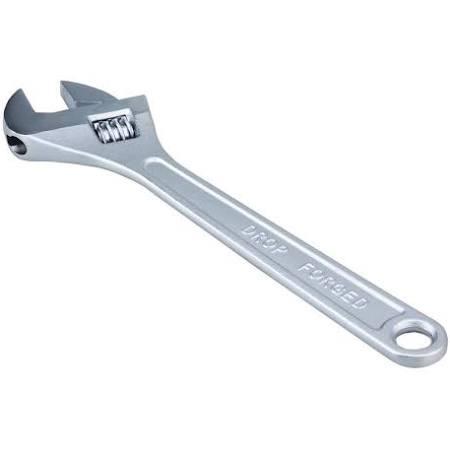
An adjustable wrench is one of those home repair tools that earns its place a little more every time you reach for it, handling nuts and bolts across a wide size range without requiring a separate wrench for every fastener diameter. It’s the single most versatile fastening tool for plumbing repairs, appliance connections, and furniture assembly — making it non-negotiable for any serious home toolkit.
Why an Adjustable Wrench Replaces a Drawer Full of Fixed Sizes
A quality 10-inch adjustable wrench covers the majority of nut and bolt sizes encountered in typical home repairs, from supply line fittings to furniture bolts to exterior hose bibs. The jaw opens wide enough for plumbing connections and closes down firmly for smaller fasteners. The critical technique is to always seat the jaw snugly before applying torque — a loose jaw slips and rounds off fastener corners before you realize it’s happening.
What to look for when choosing an adjustable wrench:
- Chrome-vanadium steel construction for strength and corrosion resistance
- Smooth jaw adjustment with minimal side-to-side play
- A laser-etched size scale on the jaw for quick reference
- A flat-profile design that fits into tight spaces under sinks and behind appliances
When Should You Reach for a Box-End Wrench Instead?
An adjustable wrench handles the vast majority of home repair fastening tasks, but a fixed box-end wrench offers superior grip and reduced slip when breaking loose stubborn or critically torqued fasteners. And here’s when it matters most: plumbing trap nuts, appliance mounting bolts, and anything you’re tightening to a specified torque should get a box-end rather than an adjustable. Keep a short set of common SAE and metric box-end wrenches alongside your adjustable to cover those high-stakes situations.
Key Takeaway: Start with a quality 10-inch adjustable wrench and expand to a short set of fixed box-end wrenches as your repair projects grow more demanding.
| Wrench Type | Best Application | Torque Capability |
|---|---|---|
| Adjustable (10 in.) | General repairs, mixed fastener sizes | Medium |
| Box-end | High-torque, critical fasteners | High |
| Combination wrench | Both open and box-end access in one | Medium–High |
A single adjustable wrench is one of the highest-value purchases a new homeowner can make — nothing else covers as many situations in one tool.
Can Bar Clamps Make You a Better home repair tools User?
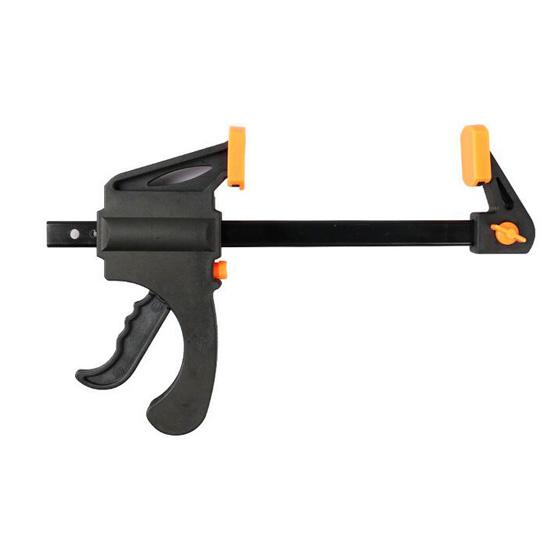
Bar clamps give you a third hand when you don’t have one, and that changes everything about what’s possible when working through home repair tools tasks alone. Anyone who has tried to hold two pieces of wood together while driving a screw simultaneously knows exactly how frustrating that is without a clamp. One-handed bar clamps eliminate that problem completely, letting you position and secure a workpiece with a single squeeze.
Why One-Handed Bar Clamps Are Worth Owning Early
One-handed bar clamps allow you to position and clamp a workpiece in a single motion — no helper, no fumbling, no delay. They apply even pressure across the entire joint, which is critical for wood glue joints, trim installation, and furniture repairs that need to hold while adhesive cures. A four-pack of six-inch clamps covers the majority of household clamping tasks at a very accessible price point.
These clamps become indispensable in situations like:
- Gluing and holding cabinet door joints while adhesive cures overnight
- Securing baseboard trim flush to the wall while you drive finish nails
- Clamping a furniture repair patch while construction adhesive sets
- Holding pipe fittings together during assembly before final tightening
How Do You Use Bar Clamps Without Marring Finished Surfaces?
Bare metal clamp jaws leave dents and marks on finished wood surfaces if applied directly — and those marks require sanding and refinishing to remove. The solution is simple: place a thin scrap of wood or a rubber clamp pad between the jaw and your workpiece before applying any pressure. That one habit prevents finish damage that would otherwise turn a five-minute repair into a full refinishing session.
Key Takeaway: One-handed bar clamps are essential for any solo furniture repair, trim installation, or gluing project — they replace the helper you don’t have.
| Clamp Size | Best Use Case | Working Capacity |
|---|---|---|
| 4-inch | Small furniture joints, light-duty | Light–Medium |
| 6-inch | Trim boards, cabinet doors | Medium |
| 12-inch | Panel assembly, door framing | Medium–Heavy |
A four-pack of six-inch bar clamps handles the majority of solo clamping tasks for home repair and light furniture work.
What Role Do Pry Bars Play in home repair tools Kits?
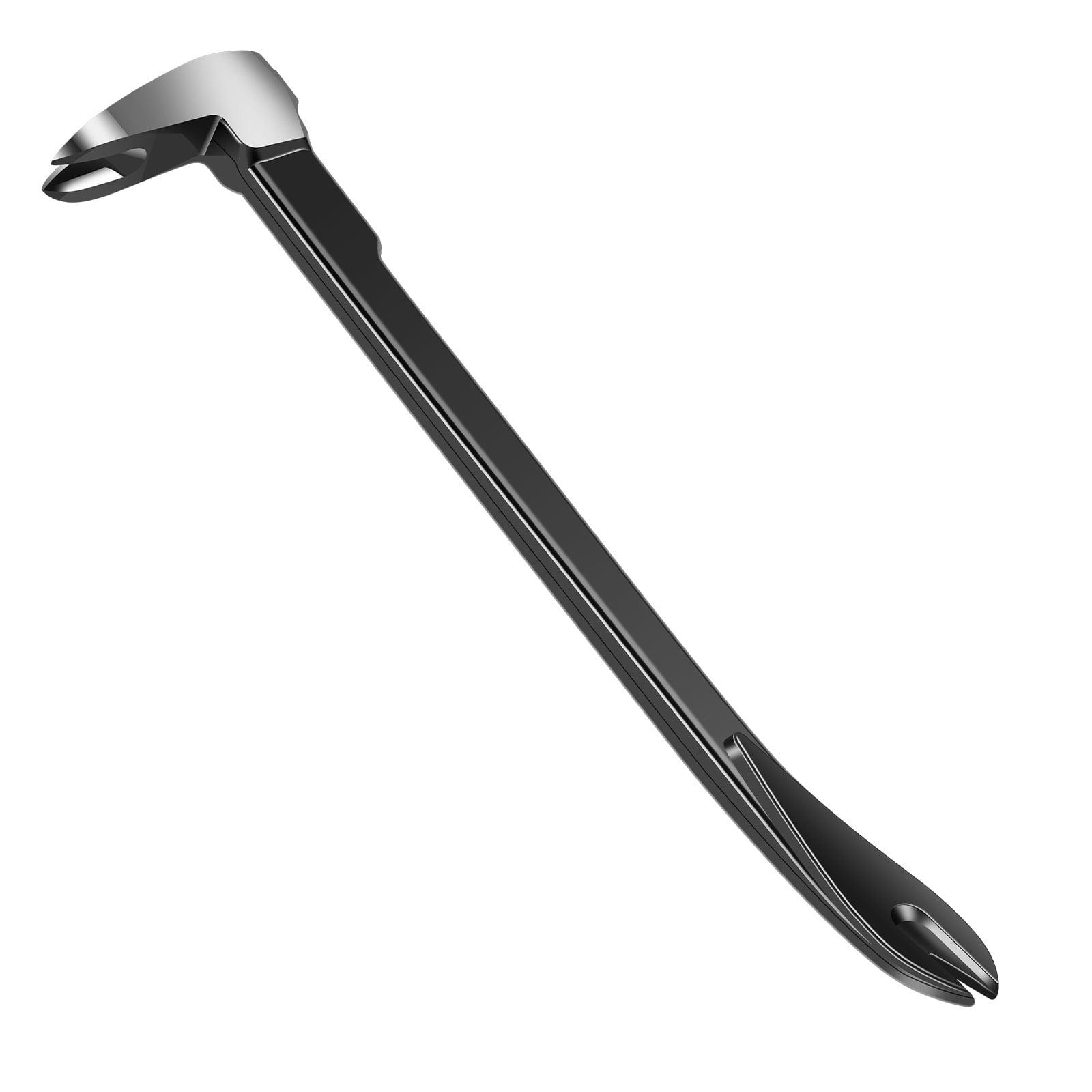
A pry bar belongs in every home repair toolkit because there are jobs no other tool can handle: removing baseboards, pulling up damaged flooring, extracting embedded nails, and separating components that have been painted or glued shut for years. The right pry bar delivers controlled mechanical leverage, preventing the damage that brute force would cause every single time.
Why a Cat’s Paw Prybar Outperforms a Standard Flat Bar
A cat’s paw prybar features a curved, precision claw designed to reach below the wood surface and grab nail heads — including embedded and headless nails that a standard flat bar simply cannot access. Its angled construction lets you slip under trim and flooring without gouging the wall or subfloor behind it. But here’s what sets it apart from every alternative: the thin claw profile means you can start the tool in a gap that’s barely visible, rather than forcing one open and cracking the material.
Key advantages of the cat’s paw design:
- Reaches below the surface to extract nails a flat bar misses entirely
- Multiple prying angles built into the head for different access situations
- Compact 9-inch size that fits comfortably in enclosed cabinet and trim spaces
- Thin claw profile that slides behind delicate trim without leaving marks
How Do You Remove Trim Boards Without Cracking Them?
Damage-free trim removal depends entirely on patience and technique. Work along the length of the trim board in small increments rather than prying from a single point — distributing the force prevents the wood from cracking at its weakest point. Start by slipping a thin putty knife behind the trim to open an initial gap, then insert the pry bar with a protective wood block behind it to guard the wall surface.
Key Takeaway: A pry bar is a precision extraction tool, not a demolition instrument. Used with care and technique, it removes trim, flooring, and fasteners cleanly with zero collateral damage.
| Pry Bar Type | Best Application | Profile |
|---|---|---|
| Cat’s paw (9 in.) | Embedded nail removal, trim | Slim, precise |
| Flat bar | General prying, light demolition | Wide leverage |
| Wrecking bar | Heavy structural demolition | Maximum force |
For most homeowners, a 9-inch cat’s paw covers all trim removal, flooring, and nail-pulling tasks with far more control than any alternative.
How Do home repair tools Handle Electrical and Wiring Jobs?
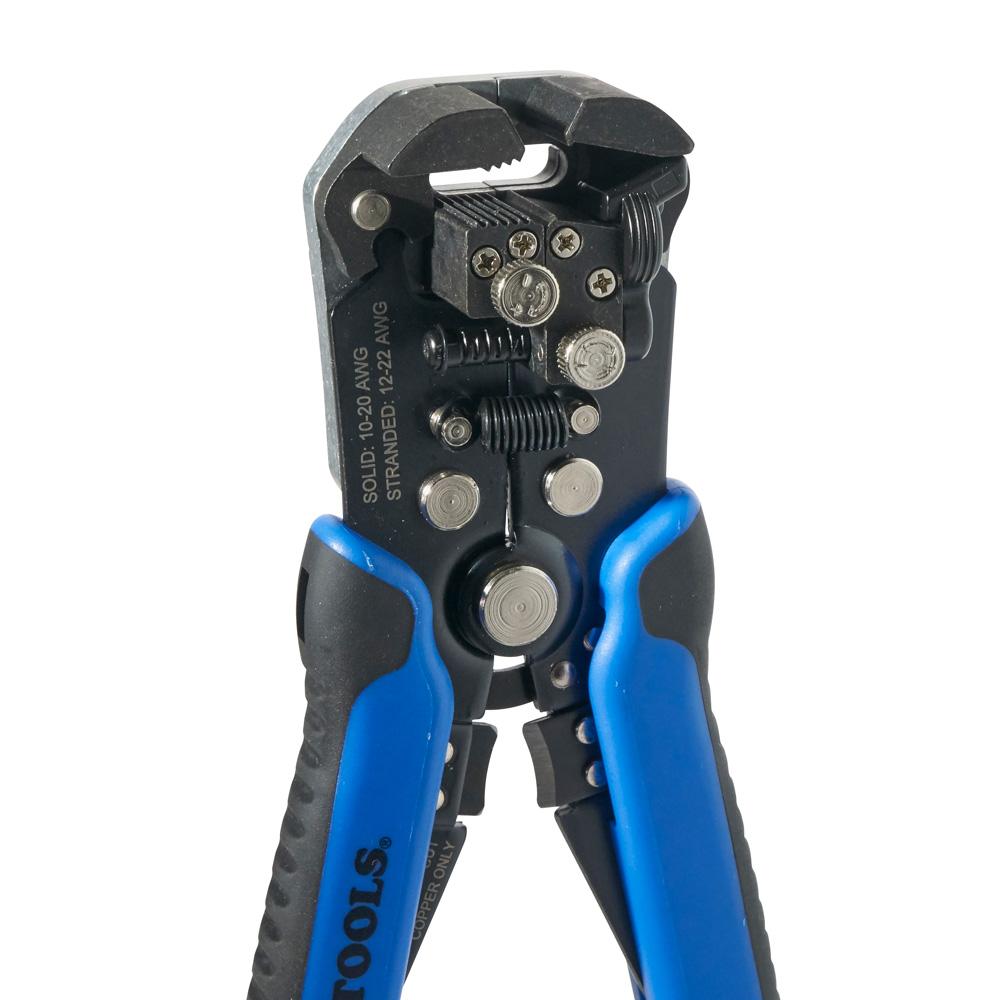
Electrical repairs feel intimidating, but with the right home repair tools the basic tasks — replacing outlets, connecting switches, and making secure wire joints — are entirely manageable for a careful homeowner. Self-adjusting wire strippers are the essential starting point, removing insulation cleanly every time without nicking the copper conductor underneath, which is the most common cause of failed DIY electrical connections.
Why Self-Adjusting Wire Strippers Are Worth the Upgrade
Traditional wire strippers require you to match the stripping notch to the exact wire gauge — misjudge by one size and you nick or sever the conductor. Self-adjusting wire strippers solve this problem completely: insert the wire, squeeze the handles, and the tool automatically calibrates the cutting depth. The result is a clean, undamaged strip across every wire gauge from 10 AWG down to 24 AWG, no adjustment needed.
Features that separate a great pair from a mediocre one:
- Automatic gauge detection for consistent results across all common wire sizes
- A plier-style nose for gripping and bending wire leads around terminal screws
- Spring-loaded handles that open automatically after each strip
- A built-in crimp section for attaching wire terminals and butt connectors
What Other Hand Tools Support Safe Electrical Repairs?
A small set of supporting tools rounds out a capable electrical repair kit. A non-contact voltage tester confirms that power is genuinely off before you touch any conductor — this single tool is non-negotiable and costs under $20. Needle-nose pliers help you form and position wire ends precisely around terminal screws. And a flathead screwdriver handles the terminal and cover-plate screws on every standard outlet and switch in your home.
Key Takeaway: Self-adjusting wire strippers, a non-contact voltage tester, and needle-nose pliers cover the majority of safe, code-compliant DIY electrical repairs a homeowner should attempt.
| Tool | Function in Electrical Work | Safety Priority |
|---|---|---|
| Self-adjusting wire strippers | Clean insulation removal | High |
| Non-contact voltage tester | Confirm power is off | Critical — always first |
| Needle-nose pliers | Form and position wire leads | High |
Always use a voltage tester before touching any wire — confirming the power is off is the most important electrical habit you will ever build.
How Do the Right home repair tools Save You Time and Money?
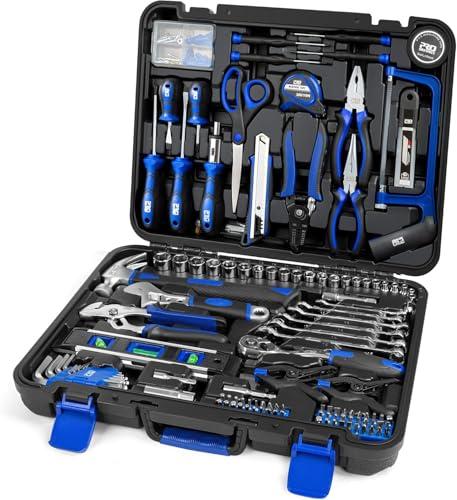
The right home repair tools pay for themselves remarkably fast — a homeowner who can tighten a leaking compression fitting, rehang a sagging cabinet door, or replace a faulty outlet saves between $75 and $250 per service call. Over a single year, five or six avoided calls more than cover the cost of a complete, quality hand tool collection. That kind of return is difficult to match anywhere else.
Why Quality Beats Quantity Every Time
Cheap tools false-economize — they strip faster, slip under load, and fail at the worst possible moment, usually mid-project. A screwdriver built with S2 steel bits, a hammer with a properly weighted head, and an adjustable wrench manufactured from chrome-vanadium or chrome-molybdenum steel last for decades of active use. Buying quality once is always cheaper than replacing cheap versions repeatedly.
Here’s the non-negotiable starter list every homeowner should own:
- A multi-bit screwdriver with S2 alloy steel bits
- A 16 oz. claw hammer with a fiberglass, shock-absorbing handle
- A 25-foot tape measure with both imperial and metric scales
- A 10-inch adjustable wrench in chrome-vanadium steel
- A utility knife with a quick-change blade and a supply of fresh blades
How Should You Grow Your Toolkit Over Time?
The smartest approach to building a tool collection is project-driven — add a new tool each time a repair calls for one you don’t have. This ensures every tool you own is one you understand, one you’ve used in context, and one that genuinely earns space in your toolbox. Before long, you’ll have a complete, capable kit built entirely from real repair experience rather than guesswork at a hardware store display.
Key Takeaway: Five to seven quality hand tools, purchased thoughtfully over time, handle the vast majority of home repair scenarios any homeowner faces across a decade of ownership.
| Tool | Typical Cost | Service Call Replaced | Estimated Annual Savings |
|---|---|---|---|
| Multi-bit screwdriver | $15–$25 | General handyman visit | $75–$150 |
| Adjustable wrench | $15–$30 | Minor plumbing repair | $100–$200 |
| Self-adjusting wire stripper | $20–$35 | Minor electrical repair | $100–$250 |
| Claw hammer | $15–$30 | Basic carpentry task | $75–$150 |
Every quality hand tool you own is a direct reduction in the service calls you’ll make across the lifetime of your home.
Conclusion
Home repairs don’t have to be stressful, expensive, or dependent on someone else’s availability. With the 14 hand tools covered in this guide — from a multi-bit screwdriver and utility knife through wire strippers, pry bars, and bar clamps — you have everything needed to handle the most common household fixes with confidence, precision, and real control.
Every stripped screw, crooked shelf, and botched repair traces back to one of three root causes: the wrong tool, a worn-out tool, or no tool at all. Building a solid hand tool collection solves all three at once. The best part? It costs far less than a single year of avoidable service calls.
Quality in hand tools starts at the manufacturing level — in the steel alloy, the heat treatment, and the precision of the final finish. Whether you’re a homeowner assembling your first toolkit or a trade buyer building a product catalog for professional end-users, the foundation is always the same: tools engineered to perform, not just to sell. Contact us today to explore factory-direct hand tools built to deliver that standard on every job.
FAQ
Can I use one screwdriver for all my home repairs?
You can get very close with the right choice. A quality multi-bit screwdriver covering Phillips, flathead, Torx, and Robertson formats handles the vast majority of household fasteners in one tool. You may still encounter specialty formats in older plumbing or vintage appliances, so keep a standard flathead and Phillips as backups for those edge cases.
What’s the best starter set of hand tools for a first-time homeowner?
The ideal starter set covers six essentials: a multi-bit screwdriver, 16 oz. claw hammer, 25-foot tape measure, utility knife, 10-inch adjustable wrench, and a pair of slip-joint pliers. These six tools collectively handle the overwhelming majority of basic home repairs and provide a strong, practical foundation to build on over time.
How do I know if my pliers are safe to use on electrical wiring?
Look for pliers specifically rated for electrical insulation — they carry a “1000V” marking and feature a double-layer rubber-over-plastic grip. Standard unrated pliers are not insulated and should never be used near live circuits. Always confirm the power is off with a non-contact voltage tester before touching any conductor, regardless of which tools you’re using.
Can I handle minor plumbing repairs with just hand tools?
Yes, for most minor repairs. An adjustable wrench manages compression fittings, supply line connections, and shutoff valves. Slip-joint pliers handle P-trap and drain assembly nuts. Combined with plumber’s tape and a small pipe cutter, these two tools are enough to resolve the majority of household leaks without calling a plumber.
What’s the best way to store home repair tools long-term?
Keep tools dry and in a moisture-controlled environment — damp basements and uninsulated sheds are the fastest way to introduce rust. Wipe metal surfaces with a light coat of tool oil once a year to protect against corrosion. A wall-mounted pegboard or a quality canvas tool roll keeps everything visible, accessible, and in good condition for the next time you need it.
Looking for a reliable mechanic tools manufacturer in China?
If you are sourcing hand tools, socket tools, automotive repair tools, mechanic tool sets or OEM private label tools, contact KOLARWIN Tools for factory-direct quotation, customization support and product consultation.