Need OEM supplier support for this product type?
Contact KOLARWIN Tools for OEM mechanic tools, private label packaging, wholesale quotation and product range support. This gives overseas buyers a clear path from article reading to supplier discussion.
A wrench range can look complete on a spreadsheet and still leave technicians reaching for the wrong tool. Distributors need to distinguish fixed-opening designs, adjustable jaws, and application-specific heads before building sets or quoting OEM assortments. This guide classifies common manual wrench families, shows where each fits, and gives buyers a practical RFQ checklist. Manufacturer catalogs and tool guidance support the distinctions below; exact dimensions and performance remain model-specific.
1. What are the main families of wrenches?
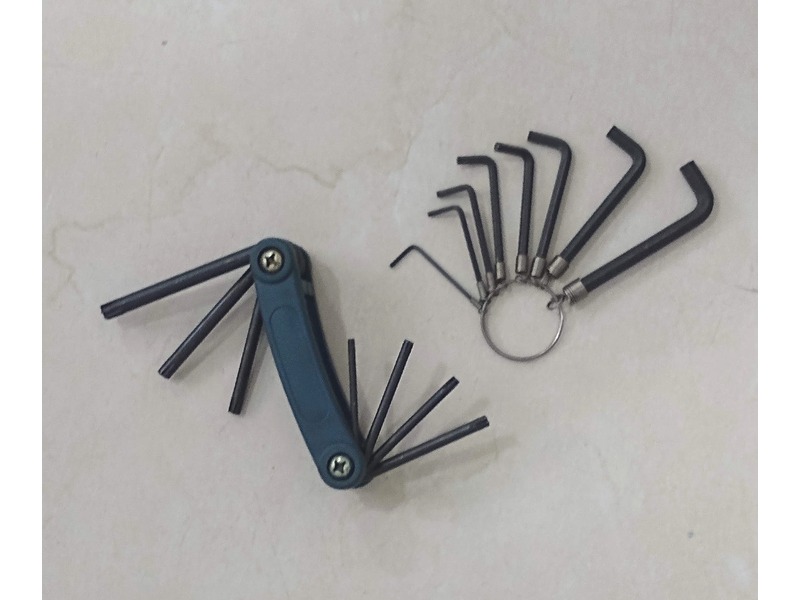
Manual wrenches group into fixed-opening, adjustable-jaw, and application-specific designs. Fixed-opening examples include open-end, box-end, and combination wrenches. Adjustable models cover varied fastener sizes through a movable jaw. Specialty tools include pipe, strap, crowfoot, basin, and filter wrenches. A broad wrench guide also lists hex keys, socket wrenches, torque wrenches, and other neighboring tools. Keep those categories separate in a product taxonomy.
- Fixed opening: one size per end.
- Adjustable jaw: movable opening.
- Specialty contact: shaped grip or special reach.
Start with the contact point. Ask whether the tool grips two flats, surrounds a nut, adjusts across sizes, or engages a non-hex surface. That question narrows the family before size and finish enter the specification.
Family comparison for range planning
| Family | Contact method | Typical buyer use | Main specification question |
|---|---|---|---|
| Open-end | Two sides of the fastener | Side entry or quick placement | Opening size and head angle |
| Box-end | Encloses the fastener | Controlled engagement | Point count, offset, and opening |
| Combination | Open end plus box end | General assembly and maintenance | Matching size at both ends? |
| Adjustable | Movable jaw | Mixed-size service work | Jaw capacity and head clearance |
| Specialty | Profile or contact varies | Defined application | Which part or surface must it fit? |
Practical action: split the catalog into these families before assigning product names, filters, or set contents.
2. Which fixed-size wrenches fit ordinary hex fasteners?
Open-end, box-end, and combination wrenches handle common hex nuts and bolt heads, but their heads meet the fastener differently. An open-end head slips sideways around two flats. A box-end head surrounds more of the fastener, which helps keep contact during a pull. A combination wrench puts one open end and one closed end on the same handle. KTC’s catalog describes a combination wrench as an open end and box end of matching size, and defines size across the flats.
Ratcheting combination wrenches add repeated turning without lifting the tool after each short arc. One DEWALT model lists 72 teeth and a five-degree swing arc; other products differ. Do not transfer SKU specifications across a category.
- Open-end: side entry.
- Box-end: surrounds fastener flats.
- Combination: both heads on one handle.
- Ratcheting combination: repeated turns without lifting.
Here is the tradeoff. Open access and enclosed engagement solve different placement problems, so many assortments carry both.
Fixed-size head selection
| Design | Access advantage | Fit consideration | Buyer check |
|---|---|---|---|
| Open-end | Side entry around a line or obstruction | Contacts two flats | Confirm jaw width and head angle |
| Box-end | Encloses fastener head | Needs access over or around fastener | Confirm point count and offset |
| Combination | Two head styles per tool | Ends commonly share nominal size | Verify end-size arrangement |
| Ratcheting box-end | Repeated turns with less repositioning | Mechanism needs working clearance | Verify ratchet direction and service access |
Practical action: compare open-end, box-end, and combination samples on representative fasteners before choosing a set mix.
3. When should buyers specify an adjustable wrench?
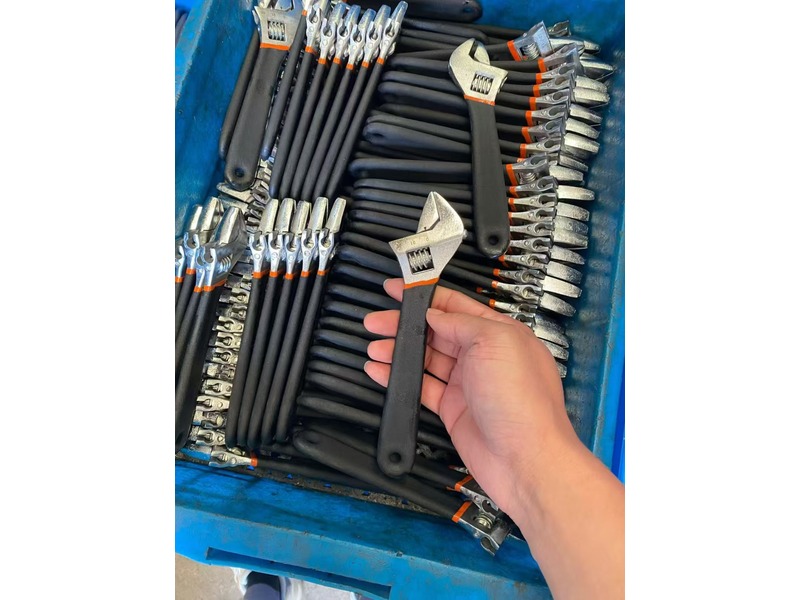
An adjustable wrench suits service with varied fastener sizes. Its movable jaw changes the opening, so fit matters: a loose jaw can slip or damage flats.
Use adjustable models for occasional sizes or a second holding point. A fixed wrench provides a defined opening for repeated work. “Crescent” is a brand name; use “adjustable wrench” in taxonomy unless naming that brand.
- Record jaw opening and overall length from the drawing.
- Check jaw parallelism, scale, travel, and handle access.
- Compare head thickness with the work area.
Keep the use case honest. A movable jaw offers size flexibility, but it does not create a pipe-gripping profile or a repeatable fixed opening. See the separate adjustable wrench size guide when specifying opening ranges, and compare application limits in pipe wrench vs adjustable wrench.
Adjustable-wrench RFQ fields
| Field | Why it belongs in the quote | Evidence to request |
|---|---|---|
| Maximum opening | Defines fastener range | Dimensioned product drawing |
| Overall length | Affects reach and turning room | Drawing or approved sample |
| Head thickness | Affects entry into confined spaces | Head dimension at jaw |
| Scale marking | Helps users set approximate opening | Clear photo or sample inspection |
Practical action: quote the jaw capacity and handle length together; either figure alone gives an incomplete fit picture.
4. Which specialty wrenches serve specific applications?
Specialty wrenches fit narrow interfaces. A flare-nut head surrounds a tube fitting while leaving a line slot. Strap models grip smooth housings; pipe wrenches grip pipe. Crowfoot heads fit square-drive attachments. Basin and filter models address recessed access. Lowe’s wrench taxonomy lists examples; fit remains SKU-specific.
Use the flare-nut vs open-end guide for tube access and oil-filter wrench types for filter designs. Crowfoot extension geometry can affect torque calculations; see the crowfoot wrench calculation guide.
- Tube fittings: line and fastener size.
- Smooth housings: strap material and range.
- Pipes: diameter range and jaw design.
- Restricted access: head profile and drive.
Match the contact before the name. Two specialty tools may share an application label while gripping different surfaces.
Specialty design and interface
| Specialty type | Workpiece interface | Access issue | Buyer detail |
|---|---|---|---|
| Flare-nut | Slotted head around tube fitting | Line blocks a closed ring | Tube/fitting size and opening |
| Strap | Band around a smooth or irregular surface | Limited room around housing | Band material and size range |
| Pipe | Shaped jaws on pipe or fitting | Rotating larger round stock | Diameter range and jaw pattern |
| Crowfoot | Open or flare head on square drive | Fastener sits behind obstruction | Drive size, opening, and extension geometry |
| Basin/filter | Application-specific head or band | Recessed fixture or filter | Part reference and clearance |
Practical action: request a part photo or drawing when a specialty wrench name leaves fit unclear.
5. How do head shape and handle length change access?
A wrench can have a suitable opening and still miss its target. Head thickness, offset, length, and pivot features control approach. An angled box end can clear nearby surfaces. A stubby handle saves sweep room but shortens reach. A flex head changes approach angle while adding joint bulk.
Offset angles differ by model. PROTO lists a 15-degree offset box end on one model; DEWALT describes different offsets on another. Use each drawing rather than treating one figure as universal.
- Measure headroom above fastener.
- Check head and handle clearance.
- Note nearby hoses, tubes, brackets, or panels.
- Verify required pivot angle.
A bench fit catches surprises early. Test each candidate in a sample fixture when the product will serve a confined automotive or machinery location.
Access dimensions to compare
| Feature | What it changes | Common tradeoff | Record for approval |
|---|---|---|---|
| Box-end offset | Head clearance and hand position | May alter approach angle | Offset angle and head thickness |
| Stubby handle | Sweep space | Shorter grip span | Overall length and fastener access |
| Flex head | Approach direction | Joint adds bulk | Pivot range and joint dimensions |
| Long handle | Reach from obstruction | Needs more sweep area | Overall length and application envelope |
Practical action: request a dimensioned side view and a fit sample for any SKU selected around a clearance constraint.
6. How should buyers specify wrench size and measurement system?
Fixed-wrench size refers to the fastener opening, commonly measured across flats. KTC’s catalog names that opening. Listings should state millimeters or inches and show tool markings. “Standard” can mean SAE sizing, so name the system.
Close metric and inch sizes are not automatically interchangeable. Fit depends on the fastener and application. Customer channels also call for different size mixes.
- Write opening and unit, such as 13 mm.
- Name metric, inch, or matched sets.
- Specify marking format when confirmed.
- Compare sizes with customer fasteners.
Write the unit beside every number. This small discipline prevents confusion in catalogs, packaging, and purchase orders.
Size data checklist
| Data field | Example format | Buyer purpose |
|---|---|---|
| Opening size | 13 mm | Identifies fastener interface |
| Measurement system | Metric | Avoids mixed-system ambiguity |
| End arrangement | 13 mm × 13 mm combination | Clarifies both ends |
| Size marking | Stamped on both sides | Confirms identification method |
| Set sequence | Customer-approved list | Prevents gaps or unwanted sizes |
Practical action: approve a size schedule before artwork, labels, or set packaging move into production planning.
7. How can distributors build a useful wrench assortment?
Start with repair tasks, installed fasteners, and service conditions. A general assortment may combine fixed-size wrenches for routine work, adjustable models for occasional variation, and specialty tools for tubes, filters, or confined areas. Maintenance buyers may favor more fixed openings and longer handles; retailers may want clear sets by system and use.
Define sizes and applications before calling any bundle “complete.” Map each wrench to recurring tasks, replenishment patterns, and packaging. The broader mechanic tools list and mechanic tool set guide place wrenches within larger kits.
- Separate fixed-size coverage from adjustable tools.
- Add specialty designs for defined applications.
- Review size-system demand by market.
- Check packaging against piece count.
Build around real work orders. A short list tied to recurring service needs beats a broad assortment with unexplained gaps.
Assortment planning matrix
| Buyer channel | Likely core family | Specialty add-on question | Packaging decision |
|---|---|---|---|
| Automotive distributor | Combination and ratcheting combination | Which service fittings recur? | Roll, tray, or box? |
| Industrial maintenance | Fixed-size open/box/combination | Which machinery interfaces are unique? | Individual or department set? |
| Hardware retail | Combination and adjustable | Which home/repair tasks are supported? | Clear size labeling and display |
| OEM/private label | Customer-defined family | Which drawing controls fit? | Brand, language, and SKU structure |
Practical action: ask customers to rank their top applications and sizes before fixing the set contents.
8. What material, finish, and markings should a buyer review?
Material and finish belong in the specification; family names do not prove performance. Manufacturer catalogs list model-specific construction and dimensions. PROTO’s product page documents one model’s finish and head design, not another model’s material or strength.
Request evidence for stated alloy, hardness, coating, or standard claims. Appearance does not prove material. Choose finishes against customer requirements and use conditions.
- Confirm material and heat-treatment documents.
- Inspect finish and markings on samples.
- Support coating claims with a test method.
- Separate artwork from tool dimensions.
Ask for evidence by SKU. One family name can cover several models with different dimensions, finishes, and markings.
Product evidence review
| Attribute | What to request | What not to infer |
|---|---|---|
| Material | Exact declaration or technical sheet | Alloy from color or finish |
| Finish | Named coating and sample appearance | Corrosion life without evidence |
| Marking | Size, system, location, and method | Durability from a catalog image |
| Standard claim | Exact standard and product scope | Compliance from a generic statement |
Practical action: attach approved product documents and a signed sample reference to the purchase specification.
9. How should buyers assess fit and supplier documentation?
Start supplier review with a drawing, size schedule, or reference part. Compare opening, head thickness, offset, length, and clearance. Confirm specialty heads against the actual part. Record results and retain an approved sample.
Request evidence for material, coating, marking, or standards claims. Photos and general marketing copy cannot establish these details.
- Confirm drawing revision and units.
- Inspect fit on a representative fastener.
- Review handle, head, finish, and markings.
- Record carton and item labels.
Close the loop in writing. The approved specification should match the sample, artwork, and final purchase order.
Sample and document gate
| Gate | Buyer evidence | Acceptance record |
|---|---|---|
| Dimensional fit | Drawing and reference fastener | Approved opening and head dimensions |
| Application fit | Assembly or fixture test | Clearance and contact result |
| Product claims | Technical documents | Claim, scope, and revision |
| Packaging | Artwork and sample pack | Language, count, and SKU label |
Practical action: issue one controlled approval sheet for each wrench SKU or set configuration.
10. What should a wrench RFQ include?
A clear RFQ names family, opening size, system, head style, and application. Add length, offset, material, finish, and markings where relevant. For sets, provide size sequence, piece count, packaging, and language. Attach a drawing when fit depends on a specific part.
Separate requirements from quote questions. For example, specify metric combination wrenches while requesting two package quotes. The professional torque wrench guide distinguishes torque-measuring tools from ordinary hand wrenches. Send a hand-wrench schedule through KOLARWIN’s contact page.
Make the first quote actionable. Include target market, channel, estimated quantity, and packaging needs. No volume threshold, stock position, or lead time is assumed here.
- Family, head style, size schedule, and measurement system
- Application interface, access limits, and reference drawing or sample
- Material, finish, and marking requirements, if specified
- Packaging format, brand language, target market, and quantity
- Evidence needed for dimensional, material, or standards claims
Send one representative assembly when access controls fit. A precise interface gives both teams a sound basis for quotation and review.
FAQ
Q1: What are the most common types of wrenches?
Open-end, box-end, combination, adjustable, and ratcheting combination wrenches cover many general fastening jobs. Pipe, strap, flare-nut, crowfoot, basin, and filter wrenches serve narrower interfaces.
Q2: What is the difference between an open-end and box-end wrench?
An open-end wrench reaches a fastener from the side and contacts two flats. Box-end heads surround more of a fastener; approach must allow head placement.
Q3: Does a combination wrench have two different sizes?
Many combination wrenches put same-size open and box ends on one handle. Confirm opening and end arrangement on its product listing.
Q4: When should I use an adjustable wrench instead of a combination wrench?
Use an adjustable wrench when service work spans varying fastener sizes and a fixed set is unavailable or impractical. For repeated work on a known size, select a properly fitted fixed-opening wrench.
Q5: What details should I include when sourcing wrench sets?
List the wrench family, size sequence, measurement system, head style, material and finish requirements, markings, packaging, target market, and intended application. Add a drawing or sample when clearance controls fit.
Looking for a reliable mechanic tools manufacturer in China?
If you are sourcing hand tools, socket tools, automotive repair tools, mechanic tool sets or OEM private label tools, contact KOLARWIN Tools for factory-direct quotation, customization support and product consultation.