Need OEM supplier support for this product type?
Contact KOLARWIN Tools for OEM mechanic tools, private label packaging, wholesale quotation and product range support. This gives overseas buyers a clear path from article reading to supplier discussion.
A hand saw can look like a simple blade and handle, yet family, frame, teeth, and reach all affect where it fits. Buyers sorting a catalog may find panel saws beside coping saws, hacksaws, and material-specific construction saws. To plan a range, group manual saws by task and check blade details against maker-stated use. This guide gives distributors and product teams a practical taxonomy and RFQ checklist. Maker product references support the examples below; confirm every model’s material compatibility from its own documentation.
1. How should buyers classify manual saws?
A manual saw uses hand-applied motion to move teeth through a workpiece. Buyers can sort common families by material, cut shape, access, or frame design. Categories can overlap: coping saw names a frame and task, while “crosscut” describes direction or teeth. Keep family, intended material, dimensions, and tooth specification as separate product fields.
A first-pass assortment can use four task groups:
- Long straight cuts: panel or general-purpose hand saws.
- Controlled straight cuts: backsaws and other precision hand saws.
- Curves or internal cutouts: coping and fret saws.
- Material-specific or confined work: hacksaws, compass saws, and construction-material saws.
Begin with a workpiece. Family should match required material and cut; blade details confirm model. Bahco’s handsaw catalog, for example, separates wood, construction material, precision, coping, and fret saw categories. Use that kind of classification as a map, not a universal product standard. Before approving a range, ask suppliers to identify intended use and limits for every model.
Manual saw groups
| Buyer task | Common family examples | Specification to confirm |
|---|---|---|
| Long straight cut | Panel or general-purpose hand saw | Length, tooth design, stated material |
| Controlled straight cut | Backsaw, precision handsaw | Blade depth, stiffness, intended joinery task |
| Curve or internal cut | Coping saw, fret saw | Frame depth, blade length, attachment |
| Constrained or material-specific cut | Hacksaw, compass saw, construction saw | Frame, compatible blade, approved materials |
2. What separates general-purpose panel saws?
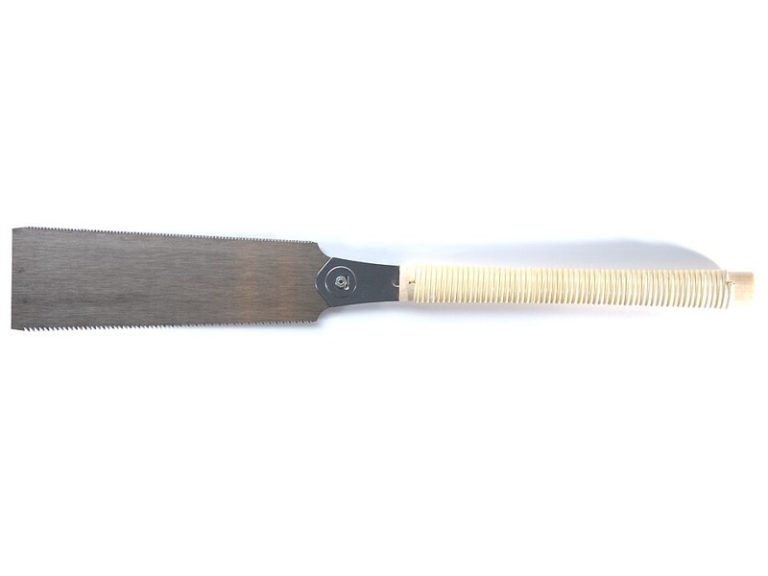
Panel saws have a broad, relatively long blade with a handle at one end. Buyers may see them listed as hand saws, carpenter saws, or general-purpose saws. Product details often distinguish tooth designs for cutting along or across wood grain, or use a universal description. Those labels do not replace a model’s material guidance. Blade length, thickness, tooth pattern, handle construction, and intended stock should all appear in a usable product record.
When comparing models, capture the points that affect fit and buyer expectations:
- Blade length and depth; confirm how the supplier defines each dimension.
- Tooth form or TPI as printed in the product documentation.
- Stated material and cut direction, if the maker specifies one.
- Handle shape, fastening, and any marking guide built into the handle.
A long blade is not automatically best. Room around a workpiece, stock thickness, and cut control matter. Bahco lists crosscut handsaws for particular wood thickness ranges and provides blade length and TPI for individual models. IRWIN also groups wood handsaws by general carpentry, coarse cut, and fine cut uses. For broad kit context, see the hand tools for home repairs guide, then request dimensions for each saw model.
Panel saw comparison
| Style or description | Typical listing context | Buyer check |
|---|---|---|
| General-purpose | Mixed carpentry or shop tasks | Maker-stated materials and tooth design |
| Crosscut | Cutting across wood grain | Stock thickness, tooth details, blade length |
| Rip | Cutting along wood grain | Maker’s cut and material description |
| Fine/coarse cut | Tooth pattern or finish emphasis | TPI, tooth form, sample cut expectations |
3. When does a backsaw fit a cut?
Backsaws use a reinforced spine along the blade’s back edge to support controlled cuts. A stiffened blade can suit joinery or trim tasks where a shallow, straight cut needs support. Names vary among manufacturers and trades. Tenon, dovetail, and mitre saws may all use a reinforced back, but their dimensions and applications can differ. Buyers should avoid listing them as interchangeable without reviewing blade depth, length, handle position, and intended work.
Useful comparison points include:
- Blade depth below the spine, which affects cut depth.
- Blade length and tooth specification.
- Handle angle and clearance over a bench or guide.
- Whether the model is described for tenon, dovetail, mitre, or broader precision work.
Match blade depth with cut depth. A reinforced spine supports a blade but limits how far it can enter a workpiece. For a woodworking assortment, link backsaws with related workholding tools, such as woodworking clamps for wholesale and the bar clamp versus pipe clamp comparison. Those pages address holding decisions; they do not replace saw dimensions. Request a drawing or sample where cut depth, handle position, or guide clearance matters.
Precision saw comparison
| Family label | Feature to check | Buyer question |
|---|---|---|
| Backsaw | Reinforced spine and blade depth | How deep can the intended cut run? |
| Tenon saw | Blade size and stated joinery use | Does it fit the target workpiece and guide? |
| Dovetail saw | Fine work positioning and blade depth | Are handle and plate dimensions suitable? |
| Mitre saw | Use with a guide or mitre box where specified | Which box or cutting setup is compatible? |
4. What work suits coping and fret saws?
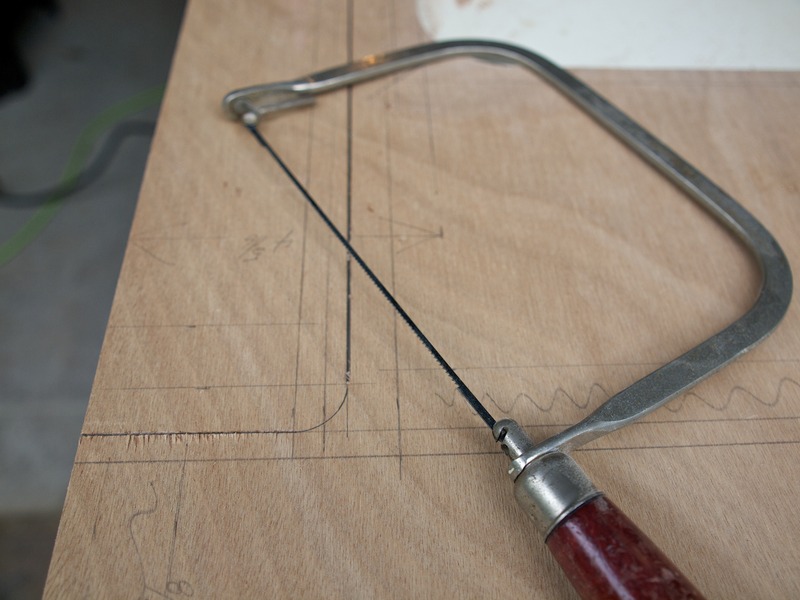
Coping and fret saws use narrow blades held in an open frame. Their format allows a narrow blade to reach curves and interior openings a panel saw cannot negotiate. A coping saw commonly appears in woodworking and trim tasks. Fret saws can use finer blades for delicate work, depending on the model. These families overlap in appearance, so compare frame depth, blade length, tooth specification, handle, and replacement blade availability.
For buyer review, ask:
- What is the frame’s throat depth and overall reach?
- What blade length and attachment method does the model require?
- Can blade turn, and how does a maker describe this feature?
- Which materials and tasks does a supplier list for this model?
Check frame and blade together. A deeper throat may reach farther from an edge, but compare actual dimensions and clearance. Stanley’s coping saw product information lists throat depth, TPI, blade features, and intricate woodworking as an intended use for that model. This listing shows useful product data; it does not set capacity for all coping saws. Request compatible replacement blade details with the saw quotation.
Coping and fret saws
| Feature | Coping saw | Fret saw |
|---|---|---|
| Frame | Open frame | Open frame, often configured for fine work |
| Blade | Narrow, tensioned, replaceable on many models | Very narrow blade options may be used; confirm model detail |
| Buyer focus | Throat depth, blade rotation or attachment | Frame clearance, blade fit, fine-work application |
| RFQ detail | Blade length, replacement reference, stated materials | Blade compatibility and intended task from maker |
5. When should a buyer consider a hacksaw?
A hacksaw uses a tensioned replaceable blade held in a frame. Frame size and blade compatibility shape its working range. Manufacturers offer full-size, compact, and junior styles; those categories do not alone establish what each blade can cut. Blade tooth count, pitch, material, and design need to match the intended work and maker instructions. Product pages may also distinguish handles, blade tension methods, or adjustable frame positions.
For sourcing, compare:
- Frame type, throat depth, and blade length compatibility.
- How the blade mounts and how tension is set.
- Blade specification, including TPI and declared materials.
- Handle design, replacement availability, and packaging format.
Do not promise universal cutting. One frame may accept different blades, yet that does not mean a single blade fits every material or thickness. Bahco’s hand hacksaw range includes professional, traditional, compact, and junior frames as separate products. That range demonstrates why “hacksaw” is not a complete specification. Ask suppliers for compatible blade references and approved materials for each configuration. For broader maintenance range planning, see the industrial maintenance tools buyer guide.
Hacksaw RFQ comparison
| Field | What to request | Why it matters |
|---|---|---|
| Frame | Style, throat depth, blade length fit | Confirms access and compatible blade size |
| Tension | Adjustment method and stated range | Confirms blade can be mounted as intended |
| Blade | Reference, TPI, approved materials | Avoids unsupported all-material claims |
| Handle | Shape, grip material, mounting | Supports product fit and accurate listing |
6. What are compass, keyhole, and wallboard saws for?
Compass, keyhole, jab, and wallboard saw names often describe pointed or narrow blades intended for constrained access. Manufacturers may use overlapping names and materials in product categories. Some compass saw models are listed for wood or plastic, while drywall or wallboard products have separate blade profiles. Use the exact product description; pointed saws may serve different materials or cuts.
Before adding one to a range, check:
- Blade point and width, overall length, and handle position.
- Whether the manufacturer lists plunge starts or only edge-entry cuts.
- Approved materials and any limits on thickness or direction.
- Guard, sheath, or storage arrangements where supplied.
Access needs a precise label. A “jab saw” for boards may have different geometry from a model for wood or plastic. Bahco’s construction-material catalog separates compass saws for wood/plastic from compass saws for plaster and board materials. Use material names in filters and product descriptions. Follow maker directions for starting any saw cut.
Pointed saw selection
| Family label | Potential listing context | Check before use or sale |
|---|---|---|
| Compass saw | Wood or plastic models exist | Exact blade profile and material statement |
| Keyhole/jab saw | Narrow access through board or panel | Maker-approved material and cut method |
| Wallboard saw | Wallboard or plasterboard tasks | Blade shape, length, and intended board type |
| Insulation saw | Specified insulation materials | Exact compatible material and storage guidance |
7. How do specialty construction hand saws differ?
Some manual saws are designed around a material rather than a general cut. Examples in manufacturer catalogs include saws for insulation, plastic tube or profile, lightweight concrete, and board materials. Their teeth and blade profiles can vary substantially. Buyers should not infer suitability from a broad “construction saw” label. Verify each material name and any thickness limit in current product documentation before grouping items under one category.
For a specialist model, collect:
- Exact work material and any stated thickness range.
- Tooth or edge description from the maker.
- Blade length, thickness, and storage or protection guidance.
- Whether replacement blades or sharpeners are offered for that model.
Keep the range segmented by material. A saw designed for insulation cannot be treated as a substitute for a wood panel saw just because both have long blades. Bahco’s product listings give examples of material-specific hand saws and model details, while Stanley identifies its coping saw for fine woodworking. For a related woodworking hand-tool group, add the types of chisels guide and homeowner hand tool selection guide. Keep each saw’s material statement explicit.
Material-specific saw review
| Product category | Maker information to capture | Catalog treatment |
|---|---|---|
| Insulation saw | Named insulation materials, tooth form, storage | Material-specific listing and limits |
| Plastic/profile saw | Approved profile or plastic types | Do not generalize beyond named materials |
| Board/drywall saw | Board type and blade profile | Separate from general carpentry saws |
| Lightweight masonry saw | Named block/material and tooth design | Use exact product scope, avoid broad masonry claims |
8. How do teeth and blade dimensions affect selection?
Blade details help buyers distinguish models within one family. TPI, tooth form, set, thickness, length, and blade depth may appear in maker specifications. More teeth per inch can be one part of a model description, but TPI alone does not establish a clean finish, speed, suitability, or overall quality. Tooth design and material compatibility vary. For saw blades that can be replaced, buyers should verify the exact replacement part and mounting requirements.
Use a consistent comparison record:
- Capture TPI or the maker’s tooth designation exactly as printed.
- Record blade length and depth separately.
- Note thickness, material, and tooth form if supplied.
- Ask what workpiece material and cut type the maker approves.
- Distinguish a product claim from a buyer’s intended application.
Treat each number as model data. Stanley lists a TPI and throat depth for its coping saw; Bahco publishes blade lengths and TPI for selected handsaws. These examples show why model-level detail helps buyers compare, not why one number should decide the purchase. Do not convert one maker’s TPI into a general rule for all hand saw families. Request drawings or samples when cut control or blade fit must be assessed against an actual workpiece.
Blade specification table
| Specification | Record | Buyer use |
|---|---|---|
| TPI or tooth designation | Exact maker wording and value | Compare only within relevant family and use |
| Blade length | Working blade dimension per maker | Check reach and replacement fit |
| Blade depth/throat | Saw or frame dimension | Check cut depth or offset access |
| Thickness and material | Supplier-stated values | Match product data and handling needs |
| Compatibility | Named work materials and blade references | Prevent overbroad product claims |
9. What should buyers put in a hand-saw RFQ?
A useful RFQ makes the intended task clear and separates required specifications from preferences. Name the manual saw family, workpiece material, cut shape, access limits, and market. Include blade length, depth or throat, tooth specification, frame, handle, packaging, and replacement blade needs where relevant. If a product must fit an existing guide or accessory, provide its reference or drawing. Ask the supplier to identify any proposed deviation.
A complete request can include:
- Saw family and intended operation.
- Workpiece material and relevant dimensions.
- Blade/frame measurements and exact tooth data required.
- Handle, storage, replacement blade, packaging, and labels.
- Drawings, sample expectations, and market documentation.
Record each application before choosing an SKU. Suppliers can flag a material or family mismatch before approval. If you are building a wider technician range, compare adjacent products in the mechanic tools list or mechanic tool set guide for distributors, then keep manual saw specifications in their own line items. Request project-specific commercial terms and documents; do not assume stock, MOQ, or lead time.
RFQ input table
| RFQ field | Useful input | Buyer action |
|---|---|---|
| Task | Cut direction, curve, opening, or access need | Name the operation and workpiece |
| Material | Exact material and thickness | Require maker confirmation of compatibility |
| Saw and blade | Family, frame, length, TPI/tooth reference | Mark required versus preferred details |
| Accessories | Replacement blades, sheath, guide fit | Provide existing part references if applicable |
| Commercial details | Pack, label, market, documentation | Request project-specific confirmation |
10. How can a buyer narrow a manual saw range?
Start with recurring customer work, then map each task to a manual saw family. Review blade dimensions, tooth information, frame access, and maker-approved material limits. Keep broad family terms separate from SKU-level claims. This helps a distributor explain why a panel saw, coping saw, hacksaw, or material-specific saw sits in the range without presenting them as substitutes.
Before finalizing a shortlist:
- Check product documentation for every material claim.
- Compare representative samples against the intended workpiece and access conditions.
- Record blade and replacement-part references with the model.
Shape each range around named jobs. For quotes, send target families, workpiece materials, dimensions, packaging, market, and document needs through KOLARWIN’s contact page. Ask the supplier to confirm any unclear compatibility or deviation before approving a listing.
Frequently asked questions
Q1: What are the main types of hand saws?
Common families include panel or general-purpose saws, backsaws, coping and fret saws, hacksaws, pointed compass or wallboard saws, and material-specific construction saws.
Q2: What is the difference between a coping saw and a backsaw?
A coping saw has a narrow blade held in an open frame for curves or internal work. A backsaw has a reinforced blade back for controlled straight cuts.
Q3: Does a higher TPI hand saw always make a cleaner cut?
No, tooth design, material, and model use all matter. Compare maker specifications and assess samples for the intended task.
Q4: Can one hand saw blade cut every material?
No. Compatibility depends on the blade and saw design. Follow current manufacturer guidance for each model.
Q5: What should a buyer include in a hand saw RFQ?
Specify task, material, dimensions, saw family, blade or frame details, packaging, replacement needs, destination market, and required documentation.
Looking for a reliable mechanic tools manufacturer in China?
If you are sourcing hand tools, socket tools, automotive repair tools, mechanic tool sets or OEM private label tools, contact KOLARWIN Tools for factory-direct quotation, customization support and product consultation.