Need OEM supplier support for this product type?
Contact KOLARWIN Tools for OEM mechanic tools, private label packaging, wholesale quotation and product range support. This gives overseas buyers a clear path from article reading to supplier discussion.
Introduction
A professional mechanic tools list in 2026 starts with one non-negotiable principle: every tool you own must perform reliably under real working conditions. Here is a scenario that plays out daily in shops worldwide — a mechanic reaches for a socket on a stuck lug nut, the tool cracks under load, and a job that should take twenty minutes turns into an injury risk and a parts order. The problem is not just the broken socket; it is the entire toolkit built on compromised sourcing decisions. The solution begins with understanding which tools belong on your list, what materials they should be made from, and what to look for when sourcing from a quality impact socket factory. This guide walks you through every essential category — updated for 2026.
H2-1: What Must-Have Hand Tools Belong on Every Mechanic’s List?
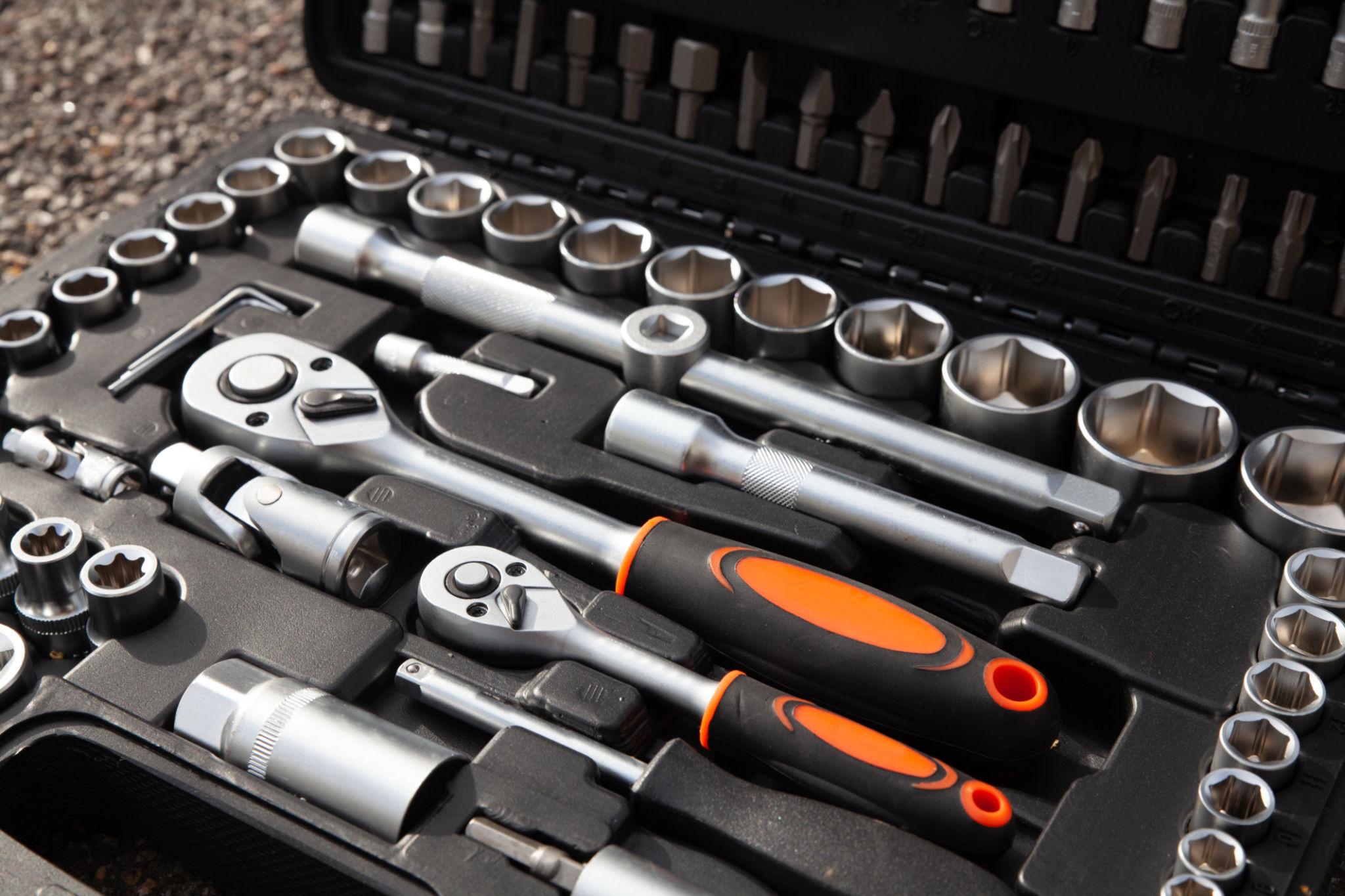
A mechanic’s hand tool foundation must include screwdrivers, combination wrenches, pliers, and a hammer — these four categories handle the majority of fastening, prying, gripping, and striking tasks across every repair scenario. No matter how advanced your shop becomes in 2026, these fundamentals remain the core of every professional tool setup.
Which Screwdrivers Should Be on Your Priority List?
Screwdrivers belong at the top of any mechanic tools list because fastener variety across modern vehicles demands both breadth and quality. Here is what a complete set looks like:
- Phillips #1, #2, and #3 for threaded automotive fasteners
- Flathead in stubby, standard, and long-reach versions
- Torx T20–T55 for late-model European and Asian vehicles
- JIS (Japanese Industrial Standard) for Japanese-market models
A quality screwdriver set built from chrome-vanadium steel with ergonomic soft-grip handles holds up to daily torque without handle cracking or tip rounding.
What Combination Wrenches Does a Working Mechanic Need?
Combination wrenches — open end on one side, box end on the other — are the most-used non-power hand tools in any shop. And here is the coverage range that handles 90% of automotive fastener sizes: 8mm through 24mm in metric and 5/16″ through 15/16″ in SAE. Ratcheting combination wrenches add a further advantage in tight quarters where swing arc is limited.
Why Does Hammer Selection Matter More Than You Think?
A ball-peen hammer and a rubber mallet cover the full range of striking needs — metal-to-metal contact for chisels and punches, and rubber for plastic trim and bearing races that cannot absorb direct impact. Every mechanic tools list should specify hardness and weight, not just “a hammer.”
| Hand Tool Category | Minimum Set Size | Primary Material | Priority Level |
|---|---|---|---|
| Screwdrivers | 10–15 piece | Chrome-vanadium | Critical |
| Combination Wrenches | SAE + metric, 10–15 piece | Chrome-vanadium | Critical |
| Pliers | 5–6 piece set | Drop-forged steel | High |
| Hammers | Ball-peen + rubber mallet | Steel / rubber | High |
Your hand tool foundation determines how efficiently everything else in your toolkit performs.
Key Takeaway: Invest in a complete hand tool foundation first — these are the tools you reach for on every single job, regardless of what else is in your bay.
H2-2: Which Socket Sets Do Professional Mechanics Need in 2026?
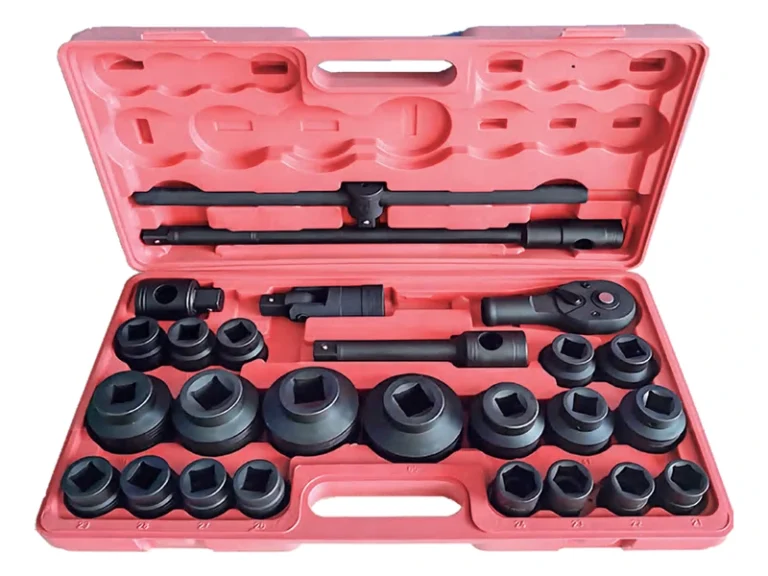
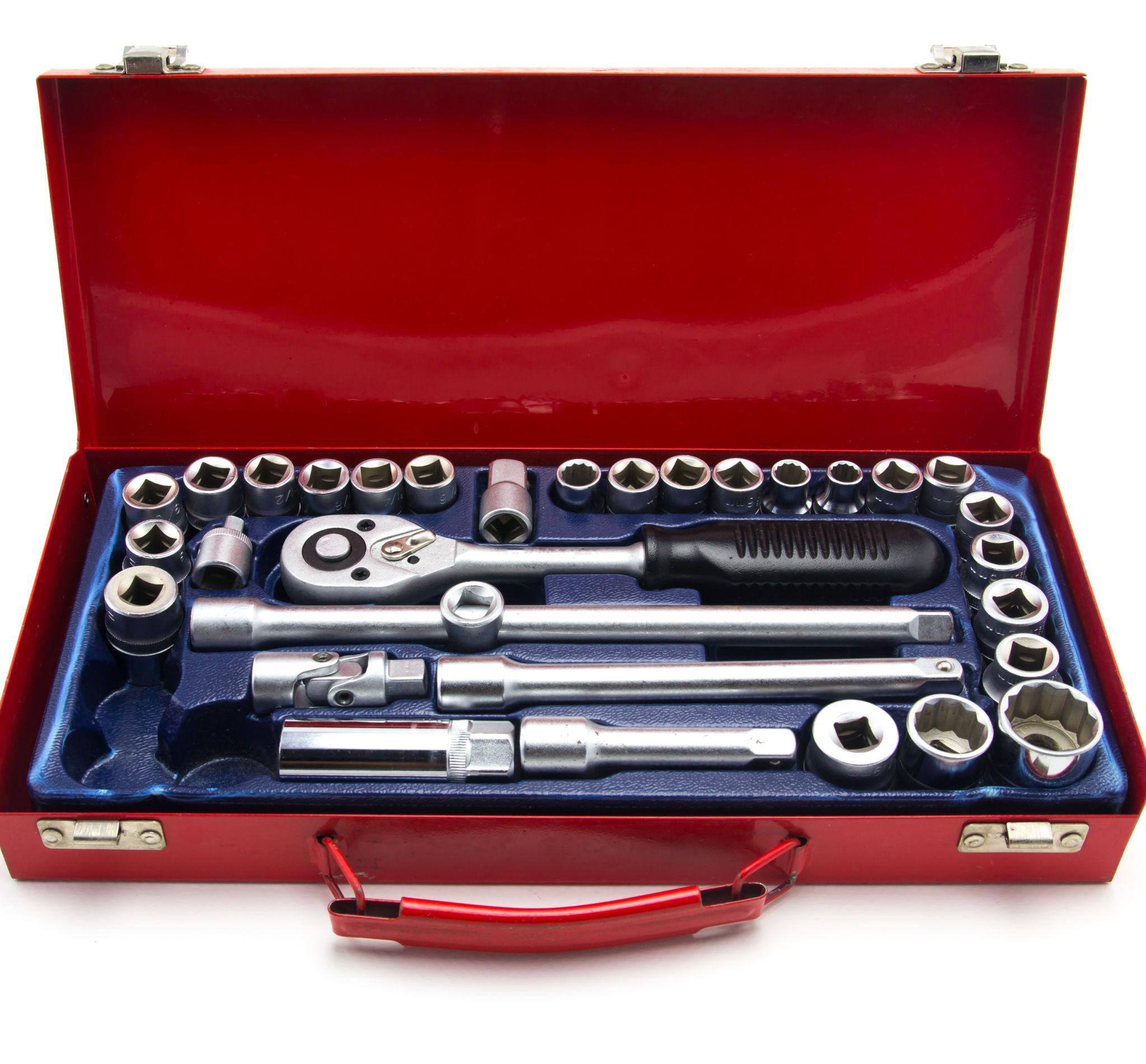
A professional socket set in 2026 must cover 1/4″, 3/8″, and 1/2″ drive in both SAE and metric, with shallow and deep variants across the full size range — and every impact socket factory worth sourcing from delivers exactly this coverage as a baseline standard. A socket set is the single highest-utilization tool category in any automotive shop.
What Drive Sizes Should Be in Your Socket Set?
Drive size determines what jobs you can reach and what torque levels you can safely apply. Matching the right drive to the right application protects both your fasteners and your sockets:
- 1/4″ drive — sensors, trim clips, interior fasteners
- 3/8″ drive — general engine and chassis work
- 1/2″ drive — wheels, suspension, high-torque fasteners
- 3/4″ drive — heavy equipment and commercial vehicles
A 3-drive complete set in both SAE and metric covers every common automotive repair scenario without requiring mid-job drive swaps.
Should You Separate Hand-Use and Impact-Rated Sockets?
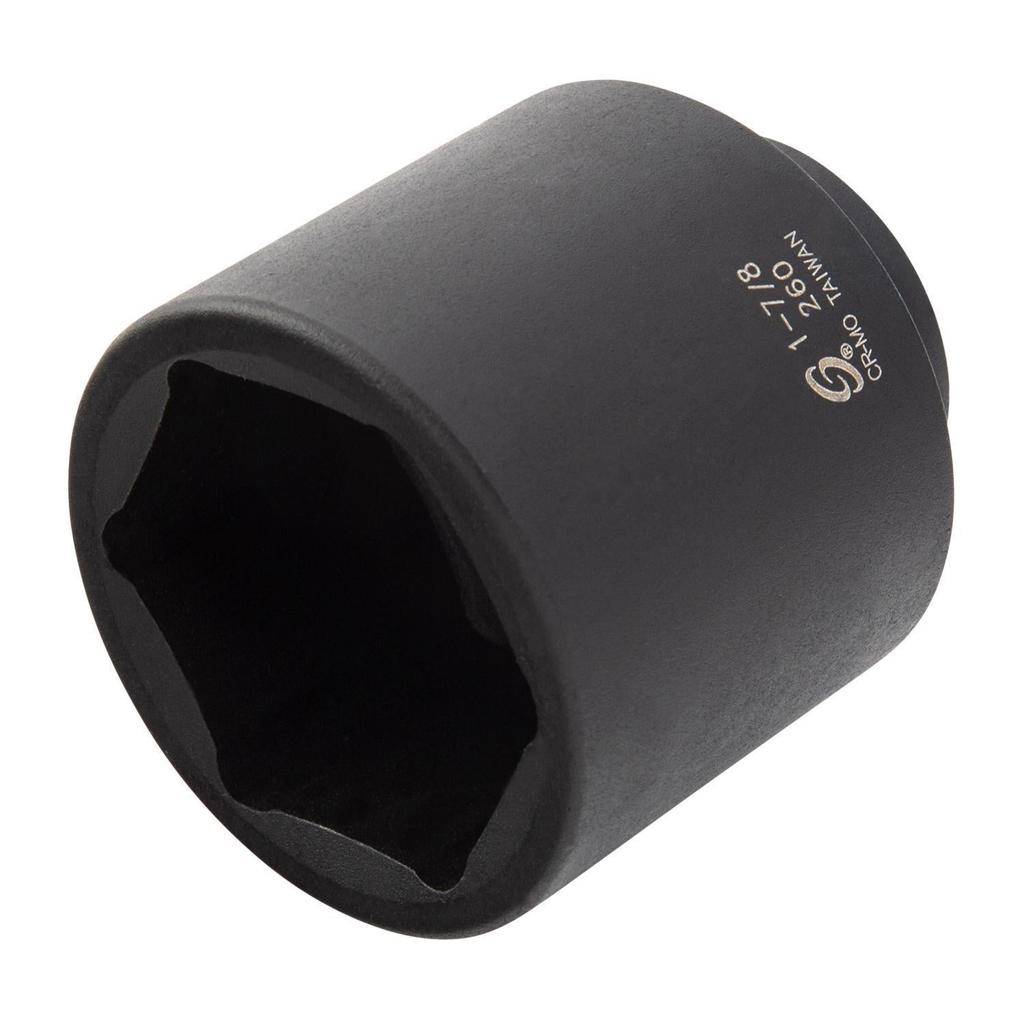
Yes — this is one of the most important organizational distinctions on your mechanic tools list. Impact-rated sockets (black oxide, chrome-molybdenum) are built to absorb the percussive torque of impact wrenches; chrome sockets are not. Using a chrome-plated socket on an impact wrench creates a genuine shatter risk that can injure you and everyone nearby.
How Many Sizes Does a Complete Socket Set Require?
A genuinely complete socket set runs 60–100+ pieces once you account for both depth types (standard and deep) across all drive sizes in both measurement systems. Here is the minimum piece count to serve professional-level automotive work:
| Drive Size | SAE Sizes | Metric Sizes | Recommended Depth |
|---|---|---|---|
| 1/4″ | 5/32″–1/2″ | 4–13mm | Standard + Deep |
| 3/8″ | 1/4″–7/8″ | 8–22mm | Standard + Deep |
| 1/2″ | 3/8″–1-1/4″ | 10–32mm | Standard + Deep |
A 72-tooth or higher ratchet paired with this coverage gives you the swing-arc flexibility to work in confined engine bays.
Key Takeaway: Never compromise on socket quality — a socket set is your most-used category, and an impact-rated set from a verified supplier pays back in safety and longevity.
H2-3: What Impact Tools Make an Impact Socket Factory Selection?
Impact wrenches — pneumatic, cordless, and corded electric — are the productivity multipliers on any serious mechanic tools list, and sourcing your impact sockets from a quality impact socket factory ensures the tools behind those wrenches are engineered to match their torque output. Without impact-rated sockets, even the best impact wrench is a liability.
Which Impact Wrench Type Suits Your Workshop Setup?
Impact wrench selection in 2026 comes down to your power source, torque requirements, and workspace layout. Here is the comparison that matters most for professional buyers:
- Pneumatic — highest torque-to-cost ratio, requires air compressor infrastructure
- Cordless (brushless) — maximum mobility, best for tire and suspension work
- Corded electric — consistent torque output, no battery management overhead
- High-torque 3/4″ drive — commercial vehicle and heavy equipment applications
Most professional shops operate pneumatic as the primary station tool and cordless as the mobile bay solution.
What Impact Socket Specifications Must You Match to Your Wrench?
Here is what buyers often get wrong: purchasing impact sockets independently of the wrench’s torque rating. A 1/2″ drive impact wrench delivering 700 ft-lbs requires sockets with wall thickness and Cr-Mo alloy specifications validated for that load range — not the minimum-spec socket that technically fits the drive. Always match your socket specification to the maximum torque output of the wrench.
How Do Impact Sockets Differ from Standard Chrome Sockets?
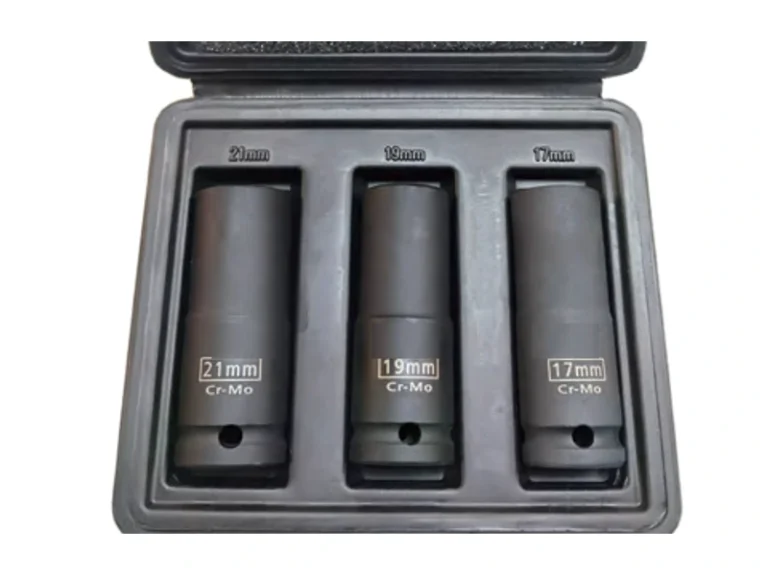
The difference is material, wall thickness, and failure mode — not just color. Impact sockets use chrome-molybdenum for ductility under shock; chrome sockets use chrome-vanadium for precision hand use. When a Cr-Mo impact socket exceeds its load limit, it deforms visibly; when a chrome socket fails under impact, it shatters.
| Socket Type | Material | Failure Mode | Safe for Impact? |
|---|---|---|---|
| Impact (black) | Chrome-molybdenum | Deforms — visible warning | Yes |
| Chrome (silver) | Chrome-vanadium | Shatters — fragments fly | No |
| Deep impact | Chrome-molybdenum | Deforms | Yes |
| Thin-wall | Alloy steel (specialized) | Application-specific | Conditional |
The color distinction — black for impact, chrome for hand use — is the visual shorthand that protects mechanics from mix-and-match errors.
Key Takeaway: Always source impact sockets and impact wrenches as a matched system — the torque output of your wrench must be validated against the socket’s material and wall thickness specification.
H2-4: Which Ratchets and Drive Tools Should Mechanics Prioritize?
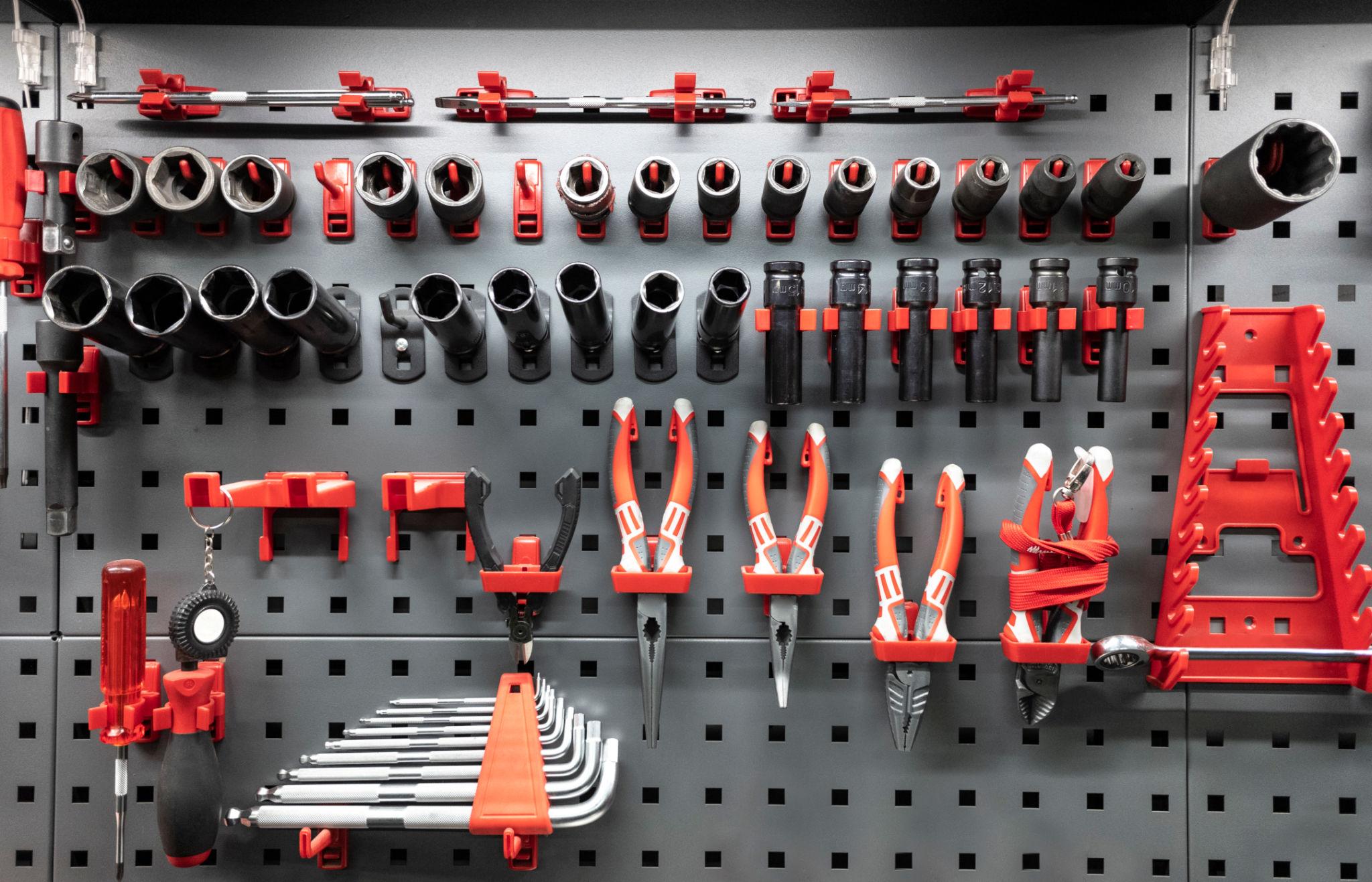
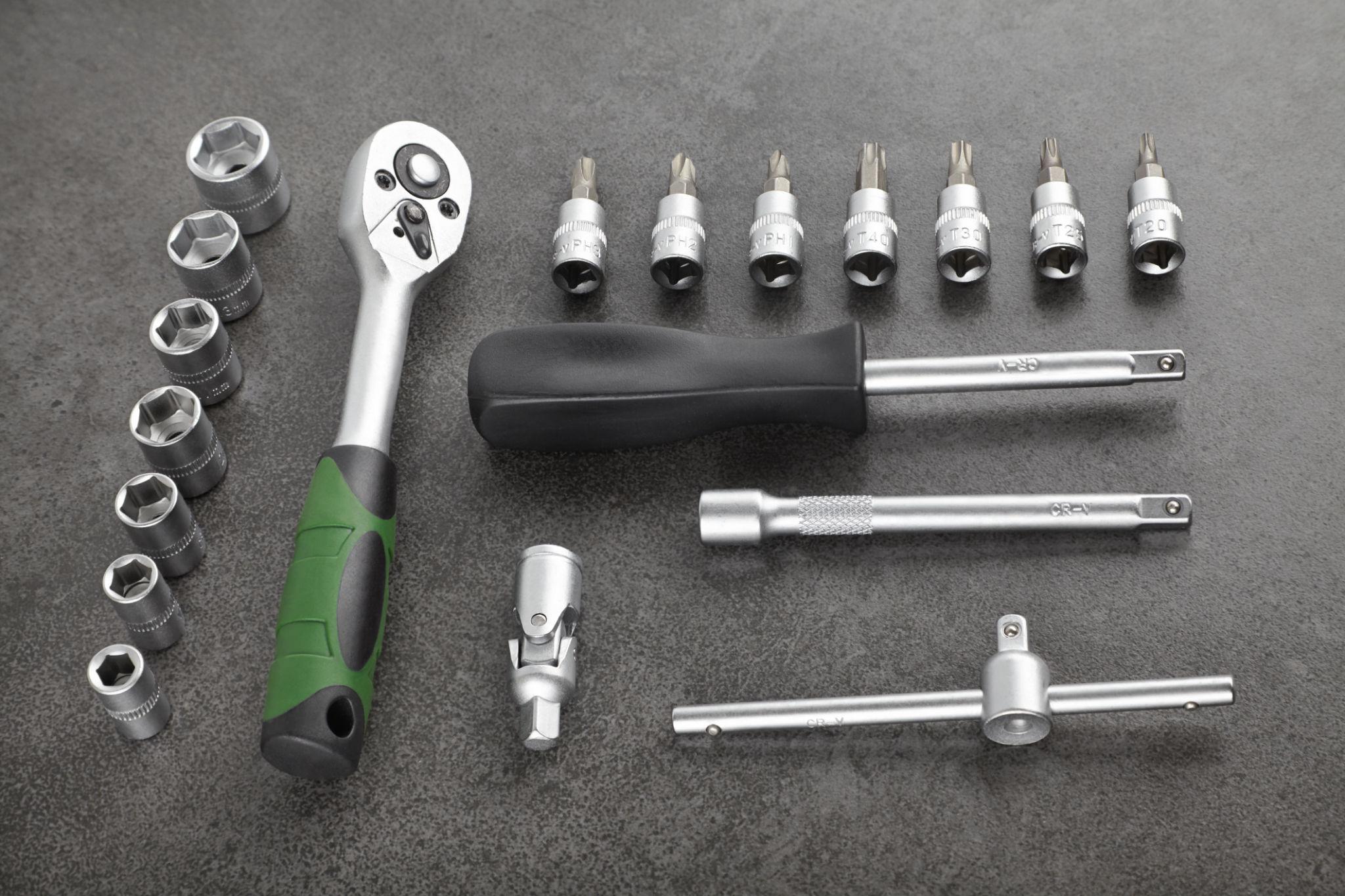
Ratchets are the connective tissue of your socket system — a high-quality ratchet set in 1/4″, 3/8″, and 1/2″ drive, supported by extensions and universal joints, determines how efficiently you can access every fastener position in a modern vehicle. Every mechanic tools list that skips ratchet quality ends up costing more in slow work and stripped fasteners.
What Ratchet Tooth Count Should You Prioritize?
Tooth count directly controls usable swing arc — more teeth means finer movement in tight spaces. Here is what the numbers translate to in real workshop use:
- 36–45 tooth — basic ratchet, adequate for open spaces
- 72–84 tooth — mid-level, suitable for most shop applications
- 90–120 tooth — professional standard for confined engine and chassis work
- Fine-tooth flex head — maximum access for restricted-angle fasteners
A 72-tooth minimum should be your baseline for any ratchet purchasing decision in 2026.
Which Drive Extensions Belong in Your Kit?
Extensions multiply your socket system’s reach — and having the right length at hand prevents the frustration of reaching for a tool that is not there. Your extension kit should cover 1″, 3″, 6″, and 10″ in 3/8″ and 1/2″ drive, plus a wobble extension in each size for off-axis access. And here is the addition most mechanics underestimate: a universal joint (U-joint) adapter in each drive size unlocks angular fastener access that no straight extension can provide.
What Are Adapters and When Do You Actually Need Them?
Drive adapters — 3/8″ to 1/2″, 1/2″ to 3/4″ — let you use sockets from one drive size on a ratchet of another. They are useful for bridging temporary gaps in your socket set, but using them routinely reduces system rigidity and increases fastener-rounding risk under high torque.
| Drive Accessory | Sizes to Stock | Primary Purpose |
|---|---|---|
| Extensions | 1″, 3″, 6″, 10″ per drive | Reach in engine bays |
| Wobble Extensions | 3/8″ and 1/2″ drive | Off-axis access |
| Universal Joints | Per drive size | Angular fastener access |
| Drive Adapters | 3/8″↔1/2″, 1/2″↔3/4″ | Cross-drive compatibility |
A complete extension and accessory kit is what separates a socket set that gets used from one that stays in the case.
Key Takeaway: A 72-tooth minimum ratchet in all three drive sizes, paired with a full extension set, turns your socket collection into a genuinely professional system.
H2-5: What Wrenches Does a Complete Mechanic Tools List Include?
A mechanic tools list without multiple wrench categories is incomplete — combination wrenches, adjustable wrenches, torque wrenches, and flex-head ratcheting wrenches each serve distinct use cases that no other tool category covers as efficiently. Sourcing these from a quality impact socket factory that also manufactures wrench accessories ensures your drive system compatibility across the full toolkit.
Which Wrench Types Are Non-Negotiable in 2026?
Modern vehicles use fastener patterns that demand access from multiple angles at varied torque specifications. These are the wrench types you cannot leave off your list:
- Combination wrenches — SAE 3/8″–1″, metric 8–24mm
- Ratcheting combination wrenches — confined-space efficiency multiplier
- Flex-head ratcheting wrenches — essential for angled fastener access
- Adjustable wrench (crescent) — backup for non-standard fastener sizes
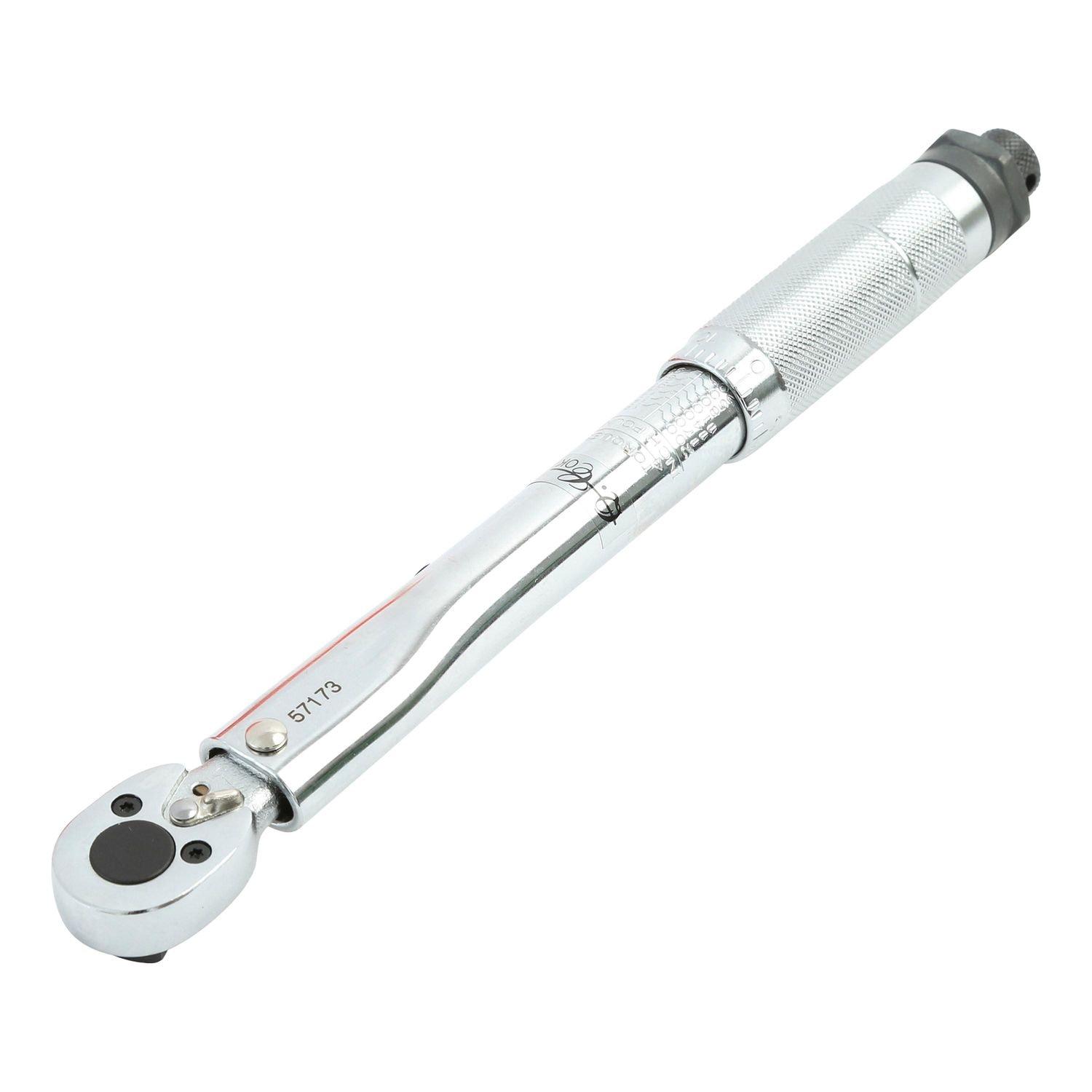
- Click-type torque wrench — precision fastening for safety-critical fasteners
No substitution exists for a calibrated click-type torque wrench on wheel lug nuts, cylinder head bolts, or suspension hardware — these fasteners have manufacturer torque specifications that must be met.
Why Is Torque Wrench Calibration a Safety Issue?
An uncalibrated torque wrench is worse than no torque wrench because it gives you false confidence in fastener security. Here is the maintenance protocol that keeps calibration accurate: store torque wrenches backed off to minimum setting after every use, recalibrate annually or every 5,000 cycles, and never use a click-type torque wrench as a breaker bar.
What Is the Difference Between Beam and Click Torque Wrenches?
Click-type torque wrenches give an audible/tactile signal at target torque and are the professional standard; beam-type wrenches require eye-level viewing of a needle and are less practical in workshop positions. Digital torque wrenches with angle measurement cover the most demanding modern applications — ADAS systems and EV torque specs increasingly require torque-plus-angle methodology.
| Wrench Type | Best Application | Accuracy | 2026 Priority |
|---|---|---|---|
| Click-type torque wrench | Wheels, heads, suspension | ±4% | Critical |
| Ratcheting combination | Confined space fastening | N/A | High |
| Flex-head ratcheting | Angled access fasteners | N/A | High |
| Digital torque-angle | EV and ADAS components | ±2% | Growing |
Torque wrench selection is not a cost-saving opportunity — it is a liability management decision that affects vehicle safety and your professional reputation.
Key Takeaway: A calibrated click-type torque wrench is a safety tool, not just a precision instrument — treat calibration as mandatory maintenance, not optional.
H2-6: Which Diagnostic and Measuring Tools Are Essential in 2026?
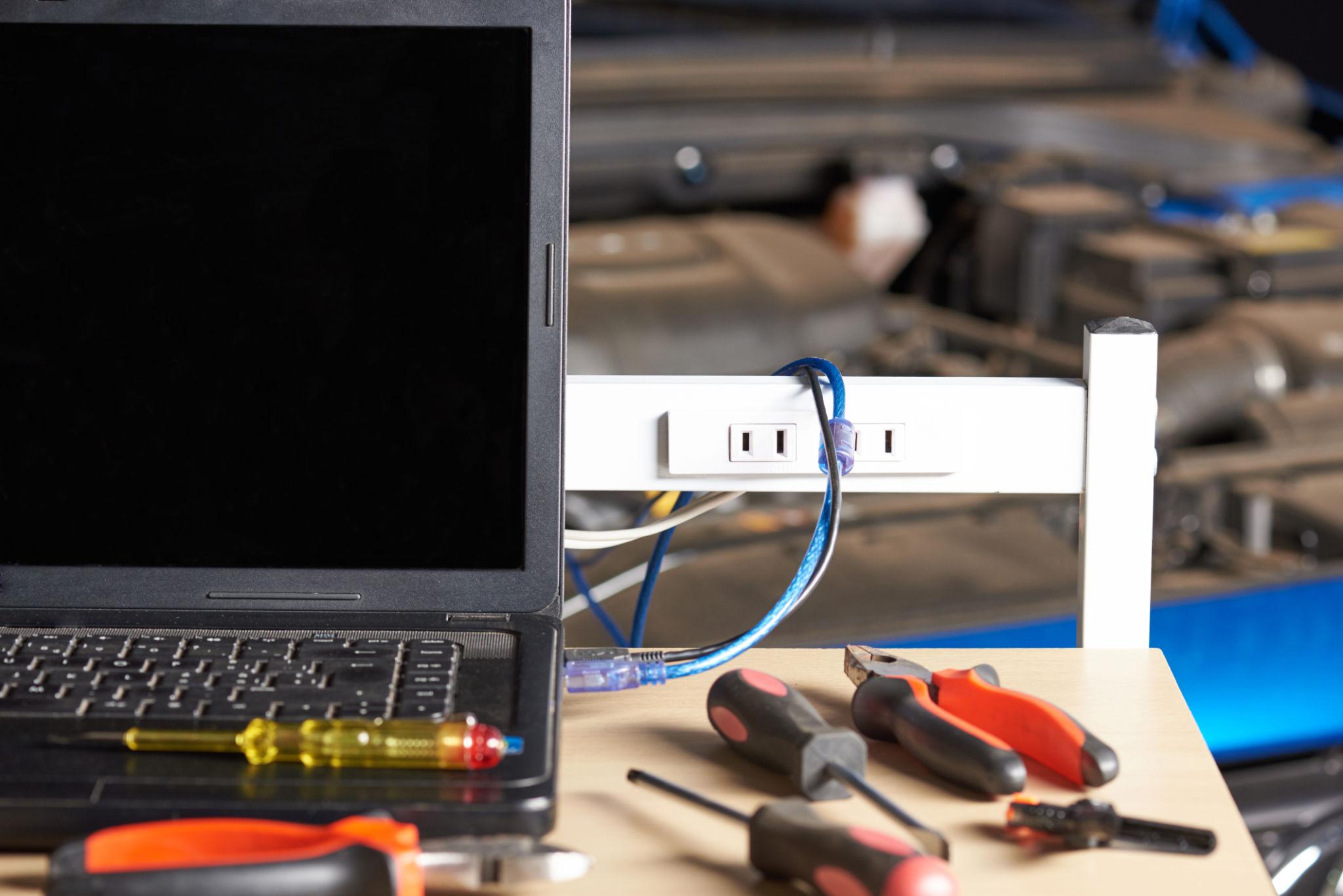
The 2026 mechanic tools list extends beyond hand tools into diagnostics — OBD-II scanners, multimeters, compression testers, and digital calipers are now standard professional equipment because modern vehicle systems cannot be diagnosed reliably without electronic access. Every mechanic who works on vehicles manufactured after 2010 needs at least a professional-grade scan tool in their bay.
What OBD-II Diagnostic Tools Do Mechanics Need?
OBD-II scanner quality determines how deep you can diagnose a fault — a basic code reader tells you a DTC, while a professional bidirectional scanner lets you command systems, read live PID data, and reset service intervals. Here is the scanner tier that matches your work type:
- Basic code reader — DIY and quick diagnosis only
- Mid-tier scanner — most independent shop diagnostic needs
- Professional bidirectional scanner — live data, actuation tests, programming
- OEM factory-level tool — dealer-specific calibration and coding requirements
Cordless Bluetooth scan tools with cloud-based software updates are the 2026 standard for independent shops — they eliminate the single-vehicle tethering of older wired units.
Why Is a Digital Multimeter Non-Negotiable?
A digital multimeter (DMM) is the most fundamental electrical diagnostic tool because no visual inspection substitutes for measured voltage, resistance, and continuity. And here is what separates a professional multimeter from a cheap substitute: True RMS measurement, CAT III 600V safety rating, and a MIN/MAX hold function for intermittent fault detection.
What Mechanical Measuring Tools Should Complete Your Kit?
Precision mechanical diagnosis requires tools that quantify clearances, pressures, and dimensions that cannot be estimated by feel. Stock these alongside your digital tools:
| Measuring Tool | Measurement Type | Specification to Target |
|---|---|---|
| Digital caliper | Linear dimensions | ±0.02mm resolution |
| Compression tester | Cylinder compression | 0–300 PSI range |
| Leak-down tester | Combustion chamber sealing | Dual-gauge design |
| Feeler gauge set | Valve clearances, spark plug gaps | 0.05–1.0mm |
Digital measurement tools eliminate estimation — and estimation is the primary source of rework in professional automotive repair.
Key Takeaway: Invest in a professional bidirectional scan tool and a True RMS multimeter before any other diagnostic category — together they diagnose 80% of modern vehicle faults.
H2-7: What Specialty Tools Separate Amateur Kits from Pro Setups?
Specialty tools — pullers, bearing drivers, spring compressors, and timing tools — are what separate a shop that completes every job correctly from one that improvises on safety-critical components. Every impact socket factory that serves professional automotive buyers understands that socket and wrench systems are only part of a complete shop toolkit.
Which Pullers and Extractors Are Essential?
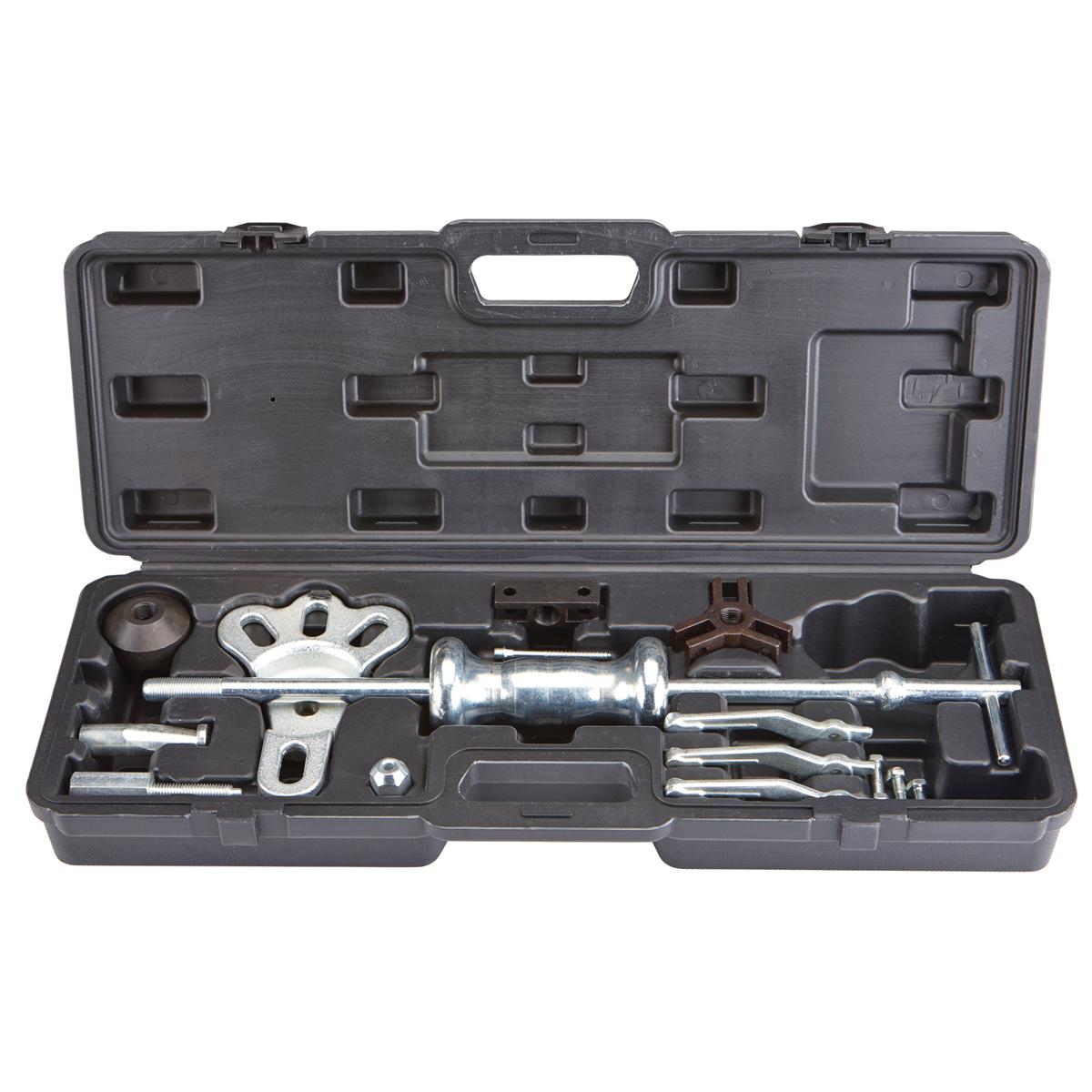
Improvising on pullers and extractors damages components and creates safety risks that make a proper tool investment the obvious economic decision. Here is the specialty extraction toolkit that covers most automotive repair scenarios:
- 3-jaw gear and bearing puller — hubs, gears, pulleys, bearings
- Harmonic balancer puller — crankshaft front seal work
- Slide hammer with adapter set — axles, wheel bearings, stubborn seals
- Bolt extractor set — stripped and damaged fastener removal
The cost of a quality puller set is a fraction of the cost of one damaged hub or crankshaft.
Why Do Spring Compressors Require Special Attention?
Coil spring compressors store enormous potential energy — an improperly secured spring under compression can release with enough force to cause a fatal injury. Spring compressors should never be improvised. Use only dedicated, rated fork-style or coil spring compressor tools with safety retention features, and always follow the vehicle-specific procedure in the service manual.
What Vehicle-Specific Timing and Alignment Tools Do You Need?
Timing belt and chain replacement without dedicated vehicle-specific locking tools creates camshaft and crankshaft timing errors that destroy engines on first start. Stock a general timing tool kit with adjustable lock pins and flywheel holders, and invest in vehicle-specific kits for the top three makes in your service area.
| Specialty Tool Category | Risk Without Proper Tool | Priority for Shop |
|---|---|---|
| Spring compressor (rated) | Fatal injury risk | Critical — no improvisation |
| Timing/cam locking kit | Engine destruction on startup | Critical |
| Bearing puller set | Component and bore damage | High |
| Slide hammer set | Axle and bearing damage | High |
Specialty tools pay for themselves the first time they prevent a component replacement caused by improvisation.
Key Takeaway: Never improvise spring compressors or timing tools — these two categories carry the highest safety and engine-damage risk from improper substitution.
H2-8: Which Pliers and Cutting Tools Complete a Mechanic’s Arsenal?
Pliers and cutting tools are the most tactically versatile category on a mechanic tools list — they handle hose removal, wire work, clip extraction, and cutting tasks that wrenches and sockets cannot reach. Every quality impact socket factory serving professional shops recognizes that a complete procurement package spans the full hand tool spectrum, not just socket and drive systems.
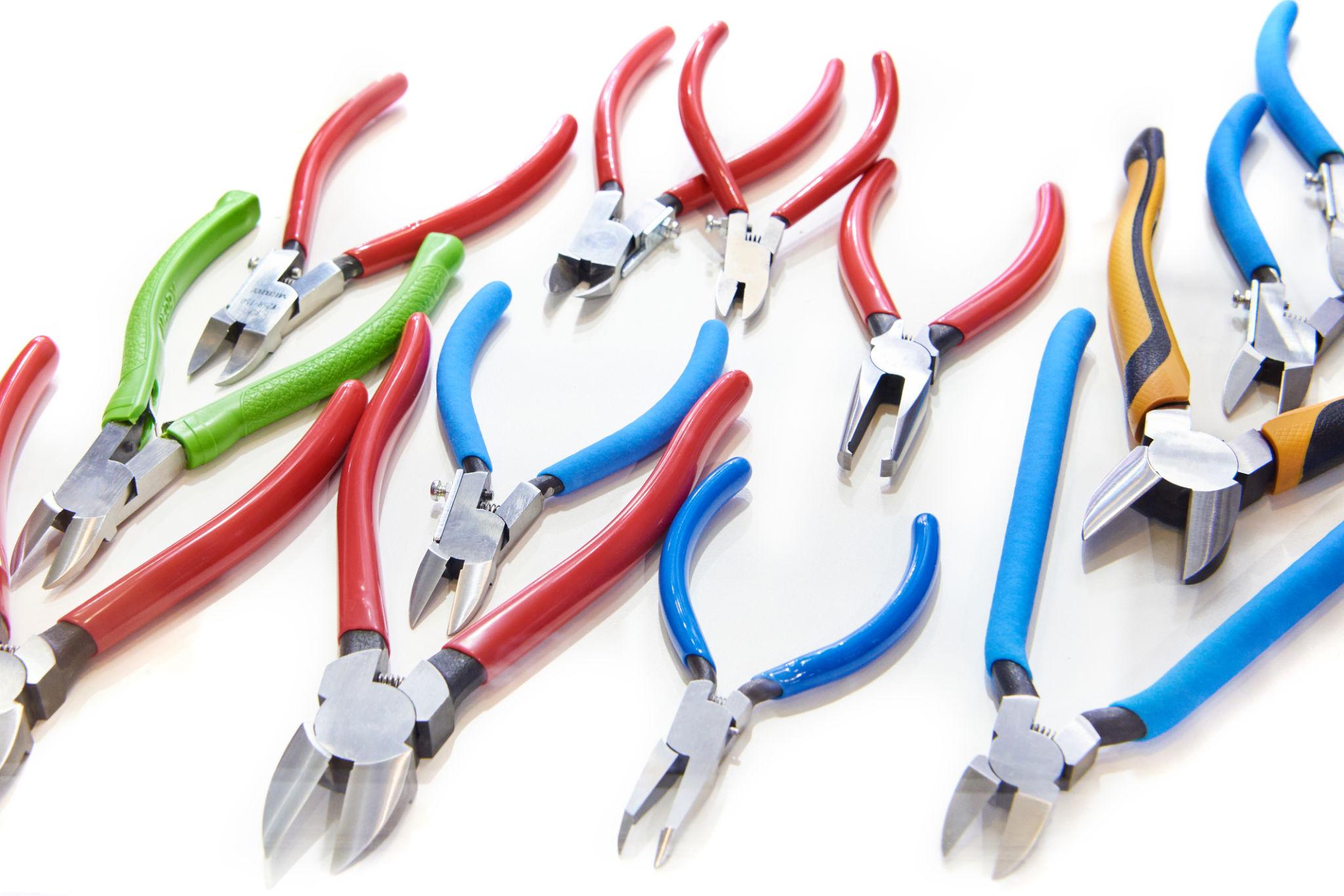
Which Plier Types Are Non-Negotiable for Automotive Work?
Plier selection should follow the scope of work you handle — a broad automotive repair shop needs all of these on hand:
- Needle-nose pliers — electrical connector retention clips, tight-space retrieval
- Locking pliers (Vise-Grips) — clamping seized fasteners and hose pinching
- Snap-ring pliers — internal and external retaining ring removal
- Hose clamp pliers — spring-type and screw-type hose clamps
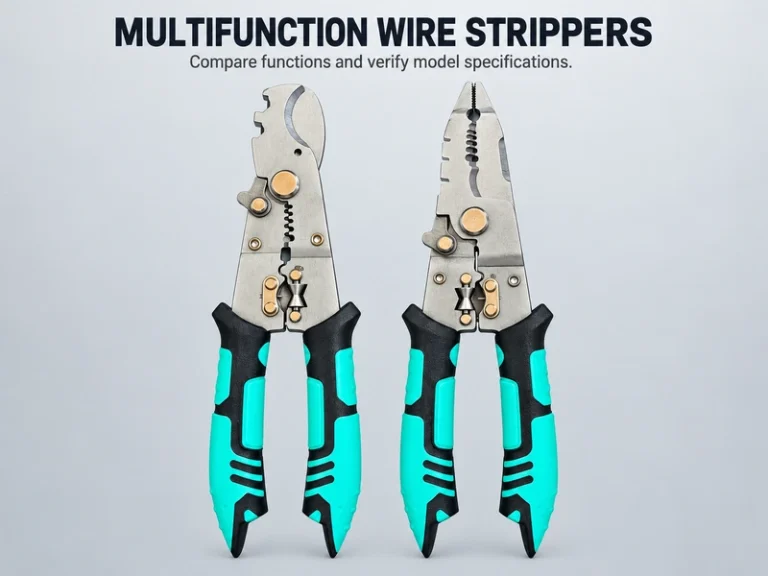
- Wire stripper/cutter combo — electrical repair and harness work
A 6–8 piece plier set in chrome-vanadium with drop-forged construction covers every common automotive plier application.
What Cutting Tools Does a Professional Mechanic Use?
Cutting tools in the automotive context mean hacksaws for bolts, pipe cutters for brake lines, and utility knives for gasket material — not just wire cutters. And here is the tool many mechanics add too late: an oscillating multi-tool with metal and wood blades, which handles rusted fasteners, seized exhaust clamps, and body seam work faster than any single-purpose saw.
Why Do Snap-Ring Pliers Deserve Special Consideration?
Snap-ring pliers in both internal and external configurations — with interchangeable tips — handle the greatest range of retaining ring applications. Selecting a convertible snap-ring set with multiple tip angles gives you one tool that covers eight common retaining ring access scenarios.
| Plier/Cutting Type | Drive Use Case | Construction Standard |
|---|---|---|
| Needle-nose | Electrical and trim | Chrome-vanadium |
| Locking pliers | Seized fasteners, clamping | Drop-forged alloy |
| Snap-ring pliers | Retaining ring removal | Hardened tips |
| Hose clamp pliers | Cooling system work | Spring steel |
| Hacksaw | Bolt and pipe cutting | Bi-metal blade |
A complete plier and cutting set eliminates the two most common improvisation points that create component damage on everyday automotive repairs.
Key Takeaway: Stock internal and external snap-ring pliers and locking pliers before any other plier category — they handle the highest-damage-risk tasks where improvisation most often causes expensive collateral damage.
H2-9: How Do You Choose Tool Materials from an Impact Socket Factory?
Tool material selection is the decision that determines whether your mechanic tools list ages well or generates constant replacement costs — and working with a verified impact socket factory that specifies alloy grades, heat treatment parameters, and coating systems in writing is how professional buyers protect that investment. Material quality is not visible on first inspection; it reveals itself under load and over time.
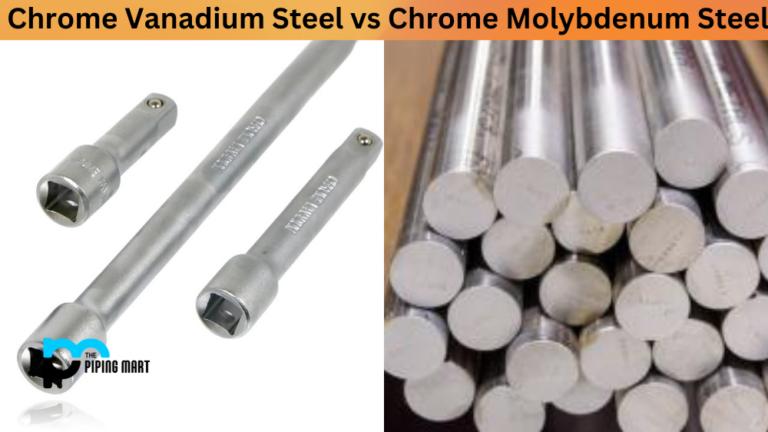
What Steel Alloys Dominate Professional Mechanic Tools?
Two alloys cover the vast majority of professional mechanic tool requirements — chrome-vanadium for hand tools and chrome-molybdenum for impact tools. Here is the distinction that protects your purchasing decisions:
- Chrome-vanadium (Cr-V) — combination wrenches, ratchets, hand-use sockets
- Chrome-molybdenum (Cr-Mo) — impact sockets, high-torque drive tools
- Drop-forged carbon steel — hammers, chisels, punches, pry bars
- Alloy steel with hardening — snap-ring pliers, specialty extraction tools
Any supplier that cannot specify alloy grade by name is selling you a price point, not a performance specification.
How Does Heat Treatment Affect Long-Term Tool Performance?
Heat treatment is the manufacturing step that converts raw alloy into a calibrated mechanical property — hardness, toughness, and the balance between them. Here is what professional buyers verify before committing to a supplier: Rockwell hardness test certificates from each production batch, not just one-time qualification samples. Tools that pass initial certification but drift in heat treatment consistency will fail progressively across repeat orders.
What Coatings Protect Mechanic Tools in Daily Shop Use?
The right coating extends tool service life and maintains grip in oily, wet, and chemically aggressive shop environments. For sockets: black oxide. For hand tools and wrenches: chrome plating with polished finish. For specialty tools in high-humidity environments: phosphate coating with oil treatment.
| Tool Category | Recommended Alloy | Finish Standard | Expected Service Life |
|---|---|---|---|
| Impact sockets | Cr-Mo (38–45 HRC) | Black oxide | 5–10 years professional use |
| Hand-use sockets | Cr-V | Chrome-plated | 3–7 years |
| Combination wrenches | Cr-V | Chrome-polished | 5+ years |
| Hammers / Pry bars | Drop-forged carbon steel | Painted or black | 10+ years |
Material specification in your purchase order is the only contractual protection you have against progressive quality drift across repeat factory orders.
Key Takeaway: Require alloy grade and heat treatment certifications in writing for every tool category — this is the only procurement step that protects quality across every order you place.
H2-10: How Do You Build a Professional Mechanic Tools List on Budget?
Building a professional mechanic tools list on a structured budget is a sequencing problem, not a compromise problem — the right purchasing order protects your most-used categories first while systematically filling specialty gaps as your work volume grows. Every professional who built a world-class shop started by prioritizing quality in the highest-use categories before expanding into specialty tools.
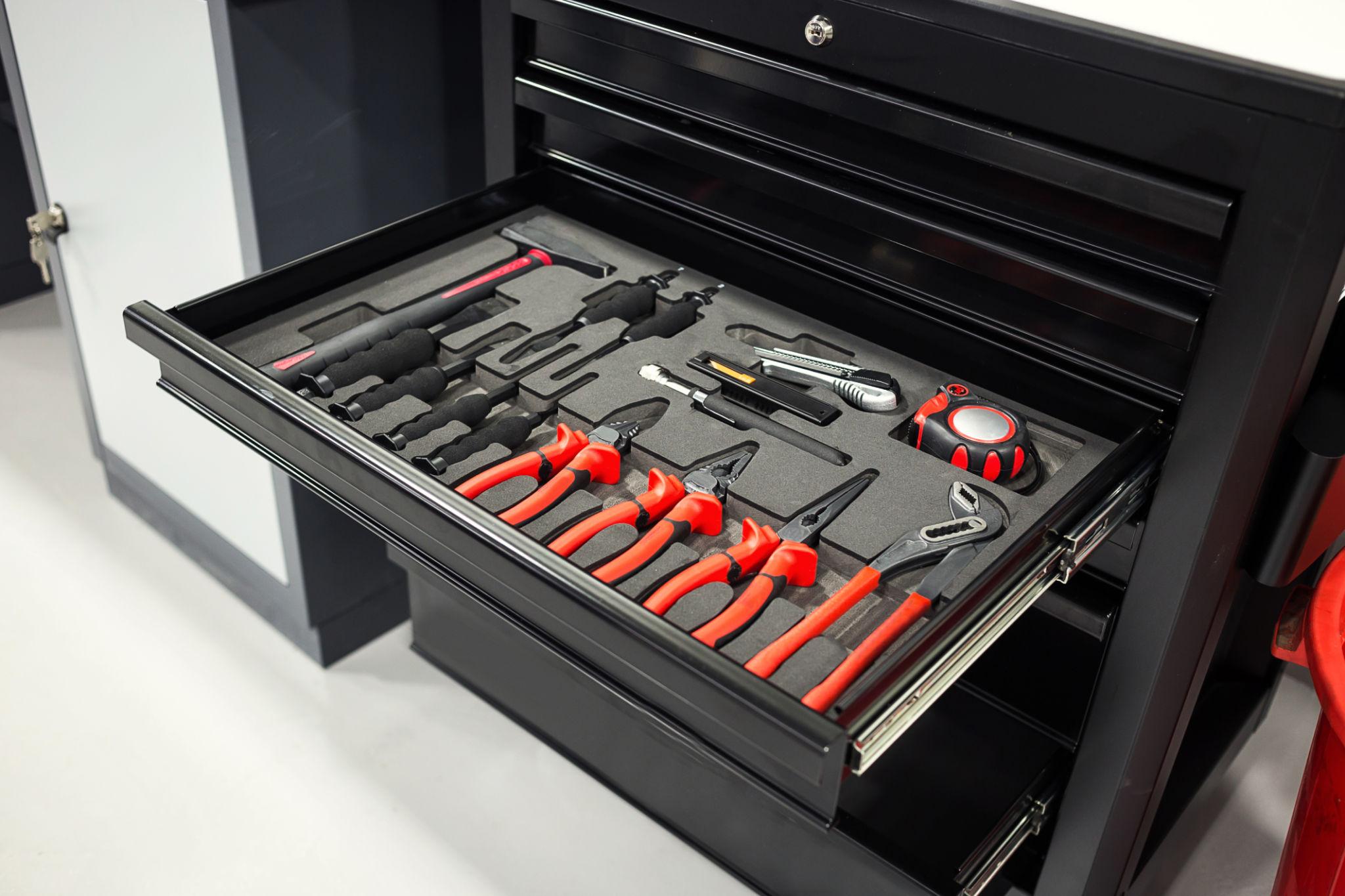
What Is the Right Purchasing Sequence for a New Mechanic?
Buy quality in the tools you reach for on every single job first — compromise in rarely-used specialty tools costs far less than compromising on the tools that handle daily load. Here is the tiered purchasing sequence that professional mechanics consistently recommend:
- Tier 1 (immediate): Socket set, ratchet set, combination wrenches, screwdrivers
- Tier 2 (within 90 days): Impact wrench + impact sockets, torque wrench, plier set
- Tier 3 (within 6 months): OBD-II scanner, multimeter, specialty pullers
- Tier 4 (as needed): Vehicle-specific specialty tools, timing kits, alignment tools
Front-loading quality in Tier 1 and Tier 2 means the tools you use most are also the ones that protect you from in-job failures.
How Do You Evaluate Value vs. Price in Tool Purchasing?
The lowest-cost socket set available on the market today will cost you more than a mid-range quality set within 18 months — in replacement purchases, in rework caused by stripped fasteners, and in the time lost to tools that do not perform. And here is the calculation most buyers skip: total cost of ownership across three years, not unit price on purchase day.
When Does Buying a Complete Set Outperform Individual Tool Purchasing?
Complete sets almost always deliver better per-tool value than individual purchases — but only when the set covers your actual use range with quality materials throughout. Avoid sets padded with rarely-used sizes in inferior alloys to inflate piece count.
| Budget Tier | Allocation Focus | Quality Standard | Return on Investment |
|---|---|---|---|
| Entry ($300–600) | Socket + wrench foundation | Mid-grade Cr-V | 2–3 years to replacement |
| Professional ($800–1,500) | Full Tier 1+2 | Premium Cr-V / Cr-Mo | 5–8 years |
| Master ($2,000+) | Complete 1–4 coverage | Premium + specialty | 8–15 years |
The best mechanic tools list is not the most expensive — it is the one sequenced to protect your highest-use categories with the highest-quality materials your current budget allows.
Key Takeaway: Sequence your purchases by tool utilization frequency, not by excitement or specialty appeal — quality in daily-use tools pays back faster than any other tool investment decision.
Conclusion
A complete and updated mechanic tools list for 2026 is not a single shopping trip — it is a structured investment across hand tools, socket systems, impact tools, diagnostics, and specialty categories, with material quality and sourcing decisions that protect every tool purchase you make. This guide has given you the framework: which tools belong in each category, what materials they must be made from, how to prioritize your purchasing sequence, and what to look for when evaluating supplier quality at the factory level.
At Kolarwin Tools, we manufacture impact sockets, socket sets, mechanics tool sets, and automotive repair tools built to ANSI and ISO standards — serving distributors, wholesale buyers, and OEM brand owners across 60+ countries from our Dongguan facility. If you are building or expanding your catalog with tools that perform exactly as specified under real working conditions, contact us today for a sample kit, a custom quote, or a full product line overview.
Our industry commitment: Every mechanic deserves a tool that never fails them mid-job — and every buyer deserves a factory that holds that standard as seriously as they do.
FAQ
Can I source a custom-branded mechanic tool set for my distribution catalog? Yes — OEM and private label services including custom logo engraving, set configuration, color customization, and branded packaging are standard offerings at established factories. MOQs typically start at 200–500 pieces depending on product type and configuration complexity.
What’s the best socket set size for a mechanic starting a new shop? A 3-drive (1/4″, 3/8″, 1/2″) combination set in both SAE and metric, with standard and deep variants, is the strongest starting point. A 72–100 piece set in this configuration covers 95% of automotive fastening tasks without requiring mid-job sourcing of additional sizes.
How do I know if a socket is genuinely impact-rated or just painted black? Check for three things: a “Cr-Mo” or “chrome molybdenum” material marking on the socket body, a wall thickness noticeably greater than chrome hand sockets of the same size, and documentation from the manufacturer specifying hardness (38–45 HRC range). Black paint on a chrome-vanadium socket does not make it impact-rated.
What’s the best way to organize a mechanic tools list for easy workshop access? Organize by drive size and tool category in foam-lined drawers — sockets by drive size and depth in one drawer, wrenches by size in sequential order in a second, and specialty tools in a dedicated section. Color-coded foam inserts let you identify missing tools at a glance before and after every job.
How do I know if a torque wrench is still accurate after years of workshop use? A torque wrench that has been used as a breaker bar, stored at full setting, or dropped should be considered uncalibrated until tested. Have it professionally calibrated annually or test it against a known torque reference device. A simple verification method: apply a known torque load to a calibrated reference beam and compare the click point — consistent deviation above ±4% means the tool needs service or replacement.
Looking for a reliable mechanic tools manufacturer in China?
If you are sourcing hand tools, socket tools, automotive repair tools, mechanic tool sets or OEM private label tools, contact KOLARWIN Tools for factory-direct quotation, customization support and product consultation.