Need OEM supplier support for this product type?
Contact KOLARWIN Tools for OEM mechanic tools, private label packaging, wholesale quotation and product range support. This gives overseas buyers a clear path from article reading to supplier discussion.
A chisel assortment can blur several different jobs: trimming a dovetail, cutting a mortise, carving a hollow, or removing scale from metal. Distributors need to separate material, cutting-edge profile, access, and handle use before quoting a set. This guide groups common types of chisels by those decisions. Manufacturer catalogs and safety requirements support the examples; dimensions and permissible striking remain model-specific.
1. How should buyers classify the main types of chisels?
Begin by naming the material. Woodworking chisels include bench/bevel-edge, mortise, paring, carving chisels and gouges, plus fishtail and corner profiles. Metalworking uses cold chisels such as flat, cape, slitting, and pointed forms. Masonry catalogs separate brick and stone profiles; GEDORE’s striking-tool range lists several metal and masonry forms.
These blade jobs are not interchangeable. A bevel edge may reach a joint corner; a cape chisel cuts metal grooves; a gouge carves curves. Confirm the exact profile from its maker’s drawing.
- Material: wood, metal, masonry, or another specified workpiece.
- Edge: straight, bevel-sided, curved, pointed, or channeled.
- Operation: paring by hand, mallet-driven cutting, carving, or metal/masonry striking.
Name the workpiece first. That single detail removes most of the ambiguity in a broad chisel listing.
Chisel family map
| Family | Typical edge or body | Main task | Buyer check |
|---|---|---|---|
| Bench/bevel-edge | Straight edge with side bevels | Joinery and general wood shaping | Width and corner access |
| Mortise | Stouter, parallel-sided blade | Cutting mortises | Blade width and handle design |
| Paring | Long blade for guided hand cuts | Fine fitting and trimming | Length and hand control |
| Gouge/carving | Curved edge or sweep | Concave and sculpted surfaces | Sweep, width, and handed form |
| Cold chisel | Flat, cape, slitting, or point | Cutting or chipping metal | Edge profile and struck head |
| Masonry | Brick, bolster, or pointing edge | Shaping brick or stone | Workpiece and hammer method |
Practical action: split product records by material and edge family before building filters or a mixed set.
2. Which bench and bevel-edge chisels handle general woodworking?
Bench chisels handle joinery, chopping, and trimming. Bevel edges can enter corners; Lie-Nielsen describes its model with narrow, parallel sides. Lee Valley’s bevel-edge bench chisel supports mallet-driven chopping and hand paring, but handle design controls striking.
Plan sizes by joint and access. Furniture shops may need widths for mortise-and-tenon work, dovetails, and fitting; repair kits may need fewer sizes. The home hand-tool guide and household tool kit guide add general kit context.
- Compare blade width with the joint and expected cut.
- Check side bevels where a joint has a tight corner.
- Identify a cap, ferrule, or handle design only from the product sheet.
Start with joint geometry. A wide blade removes stock quickly, while a narrow one reaches smaller corners.
Bench-chisel assortment checks
| Design detail | Buyer purpose | Evidence to request |
|---|---|---|
| Bevel-edge width | Fits joint opening | Dimensioned blade width |
| Side bevel | Clears inside corners | Front and side view |
| Handle/cap | Determines striking method | Maker’s permitted-use instruction |
| Set sequence | Covers customer joint work | Customer-approved size list |
Practical action: build a bench set from recurring joint widths; add specialties when customers name tasks.
3. When do mortise and corner chisels fit?
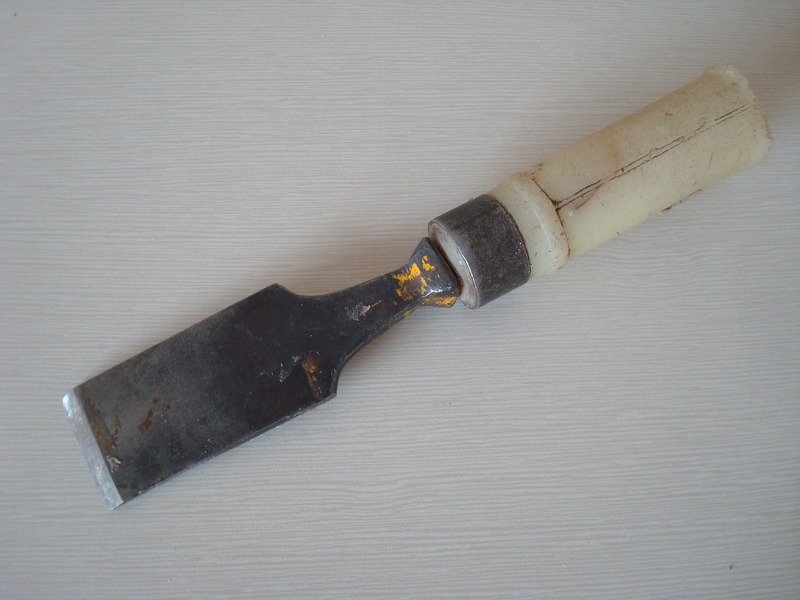
Mortise chisels cut or clean recesses for tenons. Lie-Nielsen’s cabinetmaking model uses parallel sides and a taller-than-wide profile to help guide a cut; other designs vary. Match dimensions to cabinet work, timber framing, or another stated scale.
A corner chisel squares corners after a mortise is roughed. Lie-Nielsen says its model is not intended to cut directly into solid stock. Keep bulk mortising and corner cleanup as separate catalog functions.
- Mortise chisel: match blade width and work scale to the recess.
- Corner chisel: confirm the mortise has been roughed before use.
- Handle: check model instructions before assigning a mallet or hammer.
Separate roughing from finishing. A corner tool is a cleanup specialist, not a replacement for the main mortising process.
Mortise and corner selection
| Type | Intended stage | Buyer field | Use limit to retain |
|---|---|---|---|
| Mortise chisel | Cut or clean the recess | Width, blade form, handle | Scale and wood vary by job |
| Corner chisel | Square corners after roughing | Blade width and corner access | Do not cut directly into solid stock if maker forbids it |
| Framing chisel | Deep mortising or paring on some models | Overall length and handle | Check model-specific design |
Practical action: ask for a joint drawing or sample recess when ordering mortise and corner tools for a defined program.
4. What makes a paring chisel different?
Paring chisels make light, controlled cuts guided by hand. Lee Valley describes long blades for fitting and cleanup, including stopped recesses. Some are pushed with two hands; permitted mallet taps depend on handle and maker instructions.
Narex cranked-neck styles clear raised joints and restricted recesses, including flush-trimming work. Some framing chisels also serve deep mortising or paring. A home-repair hand-tool guide adds kit context; woodshops should specify cut and access.
- Length: supports hand guidance and reach.
- Offset neck: creates clearance over raised work.
- Blade width: matches the area being trimmed.
Choose for control, not impact. The long blade and handle should suit the intended hand position and cut.
Paring profile comparison
| Form | Access advantage | Typical operation | Buyer check |
|---|---|---|---|
| Straight paring | Long reference along work | Light fitting cuts | Blade length and width |
| Cranked-neck | Clears nearby projections | Recess or flush-trim work | Offset direction and clearance |
| Framing | Reach for deeper work | Deep mortising or paring on some models | Overall length and handle use |
Practical action: request a section drawing when a cranked neck or long blade must clear adjacent parts.
5. Which carving chisels and gouges shape curved surfaces?
Carving tools vary by edge curvature and sweep. Straight chisels cut flat; gouges have curved edges for hollows and relief. Pfeil’s catalog groups chisels and gouges by profile and width. It describes straight tools for rough forms and broad areas, and gouges for recesses. Sweep numbers vary by maker, so include a profile code and cross-section.
Lie-Nielsen’s fishtail chisel reaches tight corners such as half-blind dovetails. The cited Lee Valley skew is a lathe-turning tool, distinct from hand-carving or paring skew chisels. Keep it in a separate turning line. For carving kits, specify relief, lettering, instrument, or furniture work instead of ordering “assorted chisels.”
- Straight carving chisel: broad flat cuts and rough shaping.
- Gouge: curved recesses and shaped surfaces.
- Fishtail: narrow access into corners.
- Turning skew: lathe tool; keep separate from hand-carving and paring chisels.
Match the cross-section to the cut. A profile sketch communicates more than a family name alone.
Carving and turning profile schedule
| Profile | Edge shape | Application example | RFQ identifier |
|---|---|---|---|
| Straight chisel | Flat | Rough form or broad surface | Width and maker’s number |
| Gouge | Concave sweep | Recess or relief | Sweep, width, and orientation |
| Fishtail | Flares toward edge | Dovetail corner access | Left/right use and width |
| Turning skew | Maker-specific angled edge | Lathe turning task | Model and turning application |
Practical action: attach the manufacturer profile chart or marked sketch when sourcing carving-tool sets.
6. How do cold chisels and masonry chisels differ from wood chisels?
Cold chisels cut or chip metal without heating it. BAHCO lists flat, cape, slitting, pointed, and mason’s forms; GEDORE lists flat cold, cross-cut, point, brick-cutting, and bricklayer’s chisels. These profiles serve metal or masonry cuts, not woodworking.
GEDORE notes that striking chisels cut, slot, or remove suitable material; flat and cross-cut shapes serve different applications. Struck-end treatment varies by product. Check instructions and separate wood, metal, and masonry SKUs in catalogs and cartons. The industrial maintenance guide and mechanic tools list give broader service context.
- Flat cold chisel: broad cutting edge for metal.
- Cape/cross-cut: narrow edge for channels or grooves.
- Point chisel: concentrated point for breaking or chipping.
- Brick/masonry chisel: edge and body specified for masonry work.
Keep materials separate. A wood chisel’s thin cutting edge is not a metal-cutting or masonry tool.
Material and profile distinction
| Chisel family | Work material | Typical profile | Product evidence |
|---|---|---|---|
| Wood bench | Wood | Bevel edge or straight | Width, edge, handle use |
| Cold chisel | Metal | Flat, cape, slitting, point | Cutting edge and striking head |
| Masonry | Brick or stone | Brick, bolster, pointing | Width and intended substrate |
Practical action: keep wood, metal, and masonry tools in separate SKUs and packaging descriptions.
7. Can every chisel handle be struck with a hammer?
No; handle design and maker instructions determine striking method. Stanley’s thru-tang wood chisel specifies a steel striking cap for a steel-headed hammer. Lie-Nielsen’s bevel-edge and mortise models warn against metal-hammer blows. Never assume one rule covers every wood chisel.
Some handles suit mallets; capped designs may allow the named hammer. Paring tools often use hand pressure, though some permit light mallet taps. State hand, mallet, or hammer use in the buyer specification.
- Confirm handle material, ferrule, cap, and tang/socket construction.
- Follow the maker’s striking instructions for the exact model.
- Do not infer striking suitability from a handle’s appearance.
Treat handle use as a product feature. The wrong striking method can damage a handle or edge and can create a safety hazard.
Handle and striking check
| Handle configuration | Example evidence | Buyer decision |
|---|---|---|
| Steel striking cap | Maker permits steel-headed hammer | State approved striking tool |
| Wood handle/ferrule | Instructions may specify mallet or hand use | Confirm maker’s limits |
| Long paring handle | Hand guidance is common | State whether any tapping is allowed |
| Metal struck chisel head | Inspect for mushrooming | Remove unsafe tools from service |
Practical action: state hand, mallet, or hammer use on the product spec, supported by maker instructions.
8. How should buyers specify width, edge, and bevel?
Blade width sets cut width, but does not define a chisel by itself. Also specify edge profile, sweep, blade length, neck shape, and handle clearance. For carving tools, include maker’s profile code and cross-section. For joinery, state the joint or recess size.
Bevel angle varies with steel, wood, grain, edge form, and task. Lie-Nielsen likewise qualifies guidance by wood and use. Request a maker’s geometry or approved sample instead of imposing a universal angle. The woodworking clamp guide gives adjacent shop-planning context.
- Name unit system and blade width.
- Add edge profile or sweep; identify lathe-turning skew models separately.
- Specify blade length and reach where access matters.
- Ask for maker’s drawing when a profile code is unfamiliar.
Make the cutting edge visible in the specification. A dimensioned side and end view prevents “same width, different tool” substitutions.
Chisel drawing fields
| Drawing field | Why it matters | Example entry |
|---|---|---|
| Blade width | Defines cut width | 12 mm |
| Edge profile | Defines material contact | Bevel-edge or No. 7 gouge |
| Blade length | Defines reach and control | Manufacturer drawing value |
| Handle style | Defines clearance and striking | Socket handle with stated use |
| Units/profile code | Avoids naming ambiguity | Metric, maker’s sweep number |
Practical action: approve a profile drawing and reference sample before adding a new chisel to a private-label catalog.
9. How should distributors inspect and plan chisel assortments?
Start with the customer’s work: joinery, carving, repair, metal cutting, or masonry. Build ranges by material, edge, width, handle use, and storage. Joinery kits may pair bench, mortise, and paring tools; carving sets need profile coverage; maintenance programs may need cold chisels and points.
Inspect edge, alignment, handle fit, ferrule/cap, and guard. OSHA’s construction rule requires chisels and other impact tools to have mushroom-free struck heads. Wooden handles must stay free of cracks or splinters and fit tightly. OSHA’s eye-protection rule requires appropriate protection when flying-particle hazards exist. Follow site assessments and maker instructions.
- Review edge width and profile against a sample task.
- Check guards, labels, unit system, and set count.
- Document damaged struck heads and handle defects.
- Keep wood, metal, and masonry products distinguishable.
Approve an actual cut, not just a photograph. A representative sample reveals access, control, and finish issues before assortment approval.
Assortment and inspection matrix
| Customer program | Core chisel family | Sample check | Packaging need |
|---|---|---|---|
| Cabinet/joinery | Bench, mortise, paring | Joint fit and handle use | Width sequence and edge guards |
| Carving | Straight chisels and gouges | Profile and sweep on sample | Profile labels and secure storage |
| Metal maintenance | Cold chisels and points | Struck head and workpiece fit | Material family separation |
| Masonry | Brick or masonry chisels | Substrate and edge suitability | Width and use label |
Practical action: approve a sample schedule for each material family and retain defect criteria by SKU.
10. What should a chisel RFQ include?
An RFQ identifies family, material, edge, width, blade length, handle, and operation. For gouges, add sweep and maker’s profile number. Attach a joint drawing for mortise or corner chisels; name substrate and cut for metal or masonry. State hand, mallet, or hammer use only as permitted by the maker.
Keep requirements separate from quote options. A buyer might specify metric bevel-edge chisels and request quotes for loose tools and guarded sets. Include quantity, market, packaging, brand, label language, and required documents. The mechanic tool-set guide adds kit context; send details through KOLARWIN’s contact page.
Make the quote specific. Include profile, width, handle use, material, quantity, market, and package format rather than asking for a generic “chisel set.”
- Family and workpiece material
- Edge profile, width, sweep, units, and blade length
- Handle design and permitted striking method
- Drawing/sample, guards, labels, and packaging
- Quantity, target market, and required documents
Attach a profile drawing or sample for review.
FAQ
Q1: What are the most common types of wood chisels?
Bench or bevel-edge, mortise, paring, carving chisels, and gouges cover many woodworking needs. Fishtail and corner forms solve specific access problems; turning skews belong to lathe work.
Q2: What is the difference between a bench chisel and a mortise chisel?
A bench chisel serves a range of joinery and shaping tasks. A mortise chisel has a form intended for cutting or cleaning a mortise; model dimensions vary.
Q3: Is a gouge a type of chisel?
Yes; a gouge has a curved edge for concave or sculpted work. Width and sweep should be specified from the maker’s profile chart.
Q4: Can I use a wood chisel on metal or masonry?
Use a cold chisel for appropriate metal work and a masonry chisel for its intended substrate. Follow the maker’s instructions for each tool.
Q5: Can every wood chisel be struck with a hammer?
Handle design and maker instructions determine whether a chisel is hand-pushed, mallet-driven, or approved for a particular hammer.
Looking for a reliable mechanic tools manufacturer in China?
If you are sourcing hand tools, socket tools, automotive repair tools, mechanic tool sets or OEM private label tools, contact KOLARWIN Tools for factory-direct quotation, customization support and product consultation.