Need OEM supplier support for this product type?
Contact KOLARWIN Tools for OEM mechanic tools, private label packaging, wholesale quotation and product range support. This gives overseas buyers a clear path from article reading to supplier discussion.
A return spring reopens plier handles between strokes. This guide helps buyers judge when that action suits repeated work and what to inspect in spring and lock mechanisms.
1. What are spring-loaded pliers?
Spring-loaded pliers include a return spring that opens the jaws after hand pressure eases. This feature can reduce repeated manual opening during high-cycle tasks, though the benefit depends on tool type and user preference. Some tools include a lock to keep handles closed for storage. The IRWIN end nipper with spring provides one product example. Spring arrangements differ by model, so buyers should verify spring force, serviceability, and whether the spring can be disabled. Name the underlying jaw function using the pliers category guide before adding a spring-return specification.
Specify what the spring is meant to reopen.
- Identify the base tool category and jaw function before requesting spring assistance.
- Confirm whether a storage lock or spring-disable feature is actually supplied on the model.
| Feature | Function | Separate verification |
|---|---|---|
| Return spring | Reopens handles | Consistent return |
| Storage lock | Holds tool closed | Engagement and release |
| Cutting jaws | Sever rated material | Model capacity |
2. How does the return spring work?
A coil, leaf, or other spring stores energy as handles close, then pushes them apart when the user relaxes grip. This reset can support one-handed operation and faster repetitive work. It does not increase cutting capacity or jaw force by itself. Strong return force may feel tiring for some users, while a weak or damaged spring may fail to reopen jaws reliably. Evaluate the mechanism on sample tools.
Feel the return throughout the working stroke.
- Cycle the empty tool at several openings and note uneven resistance.
- Check that automatic reopening stops at the intended position without loose or displaced spring parts.
| Return behavior | Inspect next | Buying implication |
|---|---|---|
| Consistent opening | Normal travel | Suitable for task trial |
| Incomplete opening | Spring and pivot condition | Investigate before approval |
| Abrupt or uneven return | Retention and binding | Compare another sample |
3. Which jobs benefit from a spring?
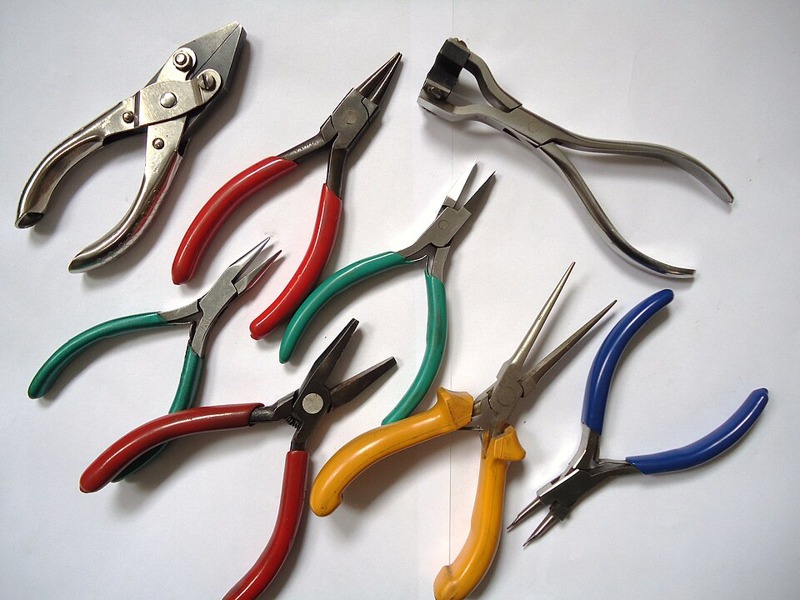
Repeated cutting, trimming, gripping, or fishing tasks may benefit from automatic jaw return. A spring can reduce the motion needed between cycles, especially when the other hand holds material. Some precision tasks favor unsprung pliers because users prefer direct manual control. Choose based on cycle frequency, tool type, and ergonomics. Spring loading alone does not establish suitability for a task. Use the specialty pliers guide when repeated work needs a dedicated tool rather than a spring added to a general-purpose model.
Evaluate a complete work cycle.
- Observe how the operator resets an unsprung tool during the intended repetitive task.
- Compare spring-assisted handling with the same material, jaw type and work position.
| Work pattern | Possible value of return | Trial focus |
|---|---|---|
| Repeated trimming | Automatic reset between cuts | Return consistency |
| One hand holding material | Reduced manual reopening | Control with tool hand |
| Occasional positioning | Limited reset benefit | Operator preference |
4. When can spring-loaded pliers be a poor fit?
A return spring may be inconvenient when the tool must stay closed during a delicate placement, when the operator prefers a firm closed-hand feel, or where the spring catches nearby material. A lock can help with storage but adds a step. Users should assess work position and grip comfort. Do not remove or modify a spring unless the manufacturer permits it; altered parts can affect safe function. For confined placement, review needle-nose plier applications and check the full spring-and-handle envelope.
Check whether automatic opening disrupts placement.
- Try the tool in the actual access gap and watch exposed spring parts for snagging.
- Confirm the permitted storage method without bending or removing the spring.
| Constraint | Potential difficulty | Check |
|---|---|---|
| Tight recess | Spring or handle interference | Working envelope |
| Delicate placement | Unwanted reopening | Task control |
| Compact pouch | Open handles occupy space | Storage lock availability |
5. What spring types and locks should buyers check?
Check spring location, retention, return feel, exposed pinch points, and any handle lock. A lock should engage and release predictably without trapping fingers. Ask whether spring or lock parts are serviceable and which replacement components fit each model. Product drawings can reveal clearances that photographs hide. Do not claim a spring is fatigue-reducing for every user unless supported by evidence. On multipurpose models, keep return behavior separate from the gripping and cutting tasks described in combination plier uses.
Inspect the lock independently of the spring.
- Engage and release the lock several times with the intended gloves.
- Request replacement identifiers for serviceable spring and latch components.
| Component | Inspection point | Failure concern |
|---|---|---|
| Coil or leaf spring | Retention and visible condition | Displacement or breakage |
| Locking catch | Predictable engagement | Unexpected opening in storage |
| Handle gap | Finger clearance | Pinching during closure |
6. How does spring action affect ergonomics?
Spring return can spare users from actively spreading handles after each stroke, but overall comfort depends on handle span, grip diameter, spring force, tool weight, and task duration. A stiff spring may add resistance through each cycle. Test tools with representative users and gloves where applicable. Compare the complete work motion rather than judging a spring in isolation. Provide alternatives if a customer prefers unsprung control. Compare the access needs of end-cutting and diagonal-cutting pliers before attributing comfort differences entirely to the spring.
Judge comfort with representative users.
- Include the smallest and largest usual glove sizes in the handling trial.
- Record return resistance separately from jaw cutting or gripping effort.
| Ergonomic variable | What to observe | Comparison control |
|---|---|---|
| Handle span | Ability to complete stroke | Same jaw task |
| Return force | Repeated closing resistance | Same work cycle |
| Grip profile | Contact pressure on hand | Same gloves |
7. How should users maintain the spring?
Keep pivots clear of grit and follow manufacturer lubrication instructions. Inspect the spring for corrosion, bending, looseness, or failure to return. Check that handles do not pinch or bind through their range. Replace damaged parts with compatible components or remove the tool from service. Avoid stretching a spring to change its feel; that can alter its behavior unpredictably. For spring-assisted retaining-ring tools, verify snap-ring plier sizing as well as return action; a good spring cannot correct mismatched tips.
A failed return needs inspection, not stretching.
- Clean the pivot and spring area only by the manufacturer's approved method.
- Quarantine tools with loose springs, visible cracks or incomplete return until assessed.
| Condition | Check | Action |
|---|---|---|
| Grit at pivot | Free movement after cleaning | Follow care instructions |
| Corroded spring | Material damage | Service or replace |
| Loose retention | Correct seating | Stop use pending repair |
8. How should buyers evaluate samples?
Cycle the jaws repeatedly at different openings and note binding, spring consistency, lock operation, and handle comfort. Check whether the tool opens fully and remains controllable during intended work. Compare spring and non-spring versions if both are available. This is a functional screening, not a durability certification. Request documented specifications and service guidance before approving claims about cycle life or fatigue.
Treat a short trial as functional screening.
- Record sample identity and test openings so another buyer can repeat the check.
- Request documented endurance evidence before making a cycle-life claim.
| Sample observation | Record | Does not establish |
|---|---|---|
| Return action | Consistency across openings | Certified life |
| Lock behavior | Reliable engage and release | Universal glove compatibility |
| User feedback | Task and duration | Medical or fatigue claim |
9. What should an RFQ specify?
Name the plier category and task, spring preference, lock requirement, opening range, handle style, and intended cycle pattern. Include material and cutting limits where relevant. Ask for sample units, drawings, replacement part identification, and any published product data. Document acceptable return action and lock behavior. This prevents a generic “spring pliers” description from obscuring what the buyer actually needs. Record spring and latch spare-part requirements in the industrial maintenance tool brief.
Define acceptable return behavior in the RFQ.
- Name the jaw operation, working opening and storage position in one specification.
- Ask whether the spring can be serviced and what documentation accompanies replacement parts.
| RFQ field | Specify | Supplier response |
|---|---|---|
| Base plier | Jaw function and dimensions | Exact model |
| Return | Required operating behavior | Spring arrangement |
| Storage | Closed or open preference | Lock and instructions |
10. How should distributors describe them?
State which tool action the spring supports and explain that spring-assisted reopening may suit repetitive cycles. Avoid promises about productivity or fatigue unless tested. Show the spring and lock in the product images, and clarify storage position. Send the jaw function, working opening and storage requirement through our sourcing contact for a model-specific discussion.
Describe the benefit without inventing a productivity figure.
- Show the actual spring and latch in close-up product images.
- Keep cutting ratings and spring-return features in separate specification fields.
Q1: Does a return spring increase cutting capacity? No. It reopens the handles; capacity comes from the tool design and its rating.
Q2: Can the spring be removed? Only if manufacturer instructions allow that modification.
Q3: Do all spring-loaded pliers feel alike? No. Spring force, handle span, tool weight, and mechanism differ by model.
Q4: What indicates a failing spring? Incomplete return, binding, looseness, corrosion, or visible deformation warrants inspection.
Q5: How should samples be compared? Cycle them through the working range and assess return consistency, lock action, and comfort.
Looking for a reliable mechanic tools manufacturer in China?
If you are sourcing hand tools, socket tools, automotive repair tools, mechanic tool sets or OEM private label tools, contact KOLARWIN Tools for factory-direct quotation, customization support and product consultation.