
Need OEM supplier support for this product type?
Contact KOLARWIN Tools for OEM mechanic tools, private label packaging, wholesale quotation and product range support. This gives overseas buyers a clear path from article reading to supplier discussion.
An impact driver can snap an unsuitable bit or damage a screw recess. Choose by host tool, bit profile, engagement, and maker’s stated application, not color or a vague “heavy duty” label. This guide helps repair shops, distributors, and private-label buyers specify compatible bits and check samples.
1. What is the difference between impact bits and regular bits?
Impact bits are screwdriving bits identified by their maker for use with impact drivers or another named impact tool. Regular bits are intended for manual screwdrivers or rotary drill/drivers unless documentation says otherwise. Both categories may share Phillips, slotted, square, or Torx-style profiles. Tip shape alone does not establish impact suitability.
An impact driver applies intermittent rotational blows. Some impact-bit designs use a shaped torsion area, tailored heat treatment, or geometry intended to manage torque peaks. These are design approaches, not universal requirements or guarantees. Standard bits may suit controlled hand or drill/driver work, but check the product specification.
- Check the exact bit family and maker’s use statement.
- Separate screwdriving bits from drill bits and square-drive impact sockets.
- Record profile, size, length, and shank as separate fields.
Start with the host tool’s manual and the bit maker’s application statement. Then compare the matched bit with the screw recess and work material. For broader product context, review the impact bit set buyer checklist; that page covers sourcing set contents rather than this tool-and-bit choice.
Quick comparison for buyers
| Check | Impact bit | Regular bit |
|---|---|---|
| Intended tool | Named impact driver or tool listed by maker | Hand driver or rotary driver as listed |
| Shank | Must match tool or holder interface | Must match tool or holder interface |
| Tip fit | Must match recess size and form | Must match recess size and form |
| Impact use | Accept only with explicit documentation | Do not assume compatibility |
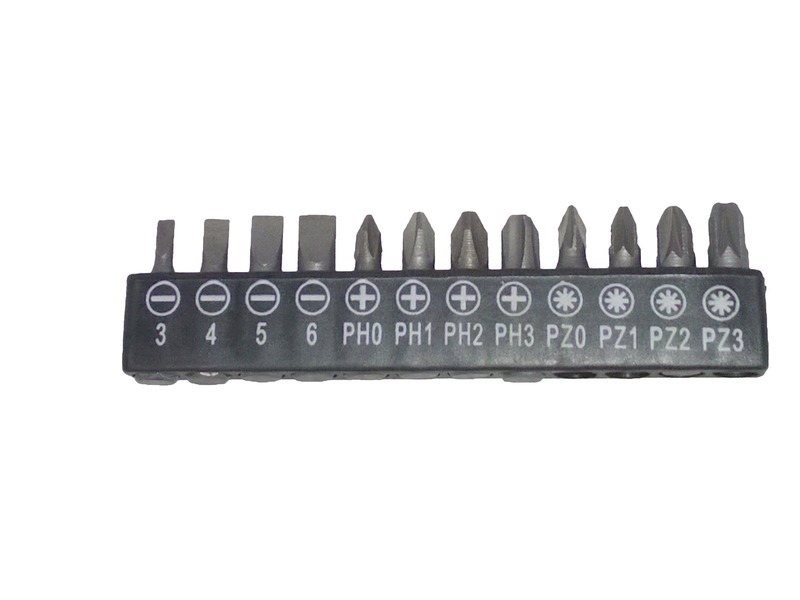
2. Can a regular bit be used in an impact driver?
Only when its manufacturer identifies that bit as suitable for the impact tool in question. A 1/4-inch hex shank may fit an impact driver’s collet, but physical fit only confirms an interface dimension. It does not verify how the bit responds to repeated impacts. A standard bit may work briefly in a light task, yet that outcome cannot qualify it for routine impact use.
For distributors, this affects labeling and customer support. A set that includes an impact driver should not imply every bit has an impact rating unless documentation covers each item. Mixed sets need clear identification, especially when they contain insert bits, power bits, holders, or nutsetters.
- Identify the impact driver model or interface class.
- Check whether bits are used directly or through a holder.
- Confirm full seating, retention, and release using the tool instructions.
- Keep ordinary bits out of an impact-rated assortment unless separately approved.
A matching shank is only the first check. Verify the maker’s application statement before use, then inspect the first sample under the intended fastening conditions. For the distinction between powered impact drivers and hammer-operated manual impact screwdrivers, see the manual impact screwdriver vs impact driver guide.
Compatibility decision table
| Bit documentation | Shank and holder fit | Decision |
|---|---|---|
| Explicitly lists intended impact tool | Confirmed | Candidate for sample approval |
| Silent or unclear about impact use | Confirmed | Hold and request written clarification |
| Lists hand/rotary use only | Confirmed | Keep out of impact use |
| Lists impact use, interface mismatch | Not confirmed | Do not use until corrected |
3. Why do impact bits have torsion zones or other design features?
Impact-tool makers describe a torsion zone as a section designed to flex or absorb part of a torque pulse. Other products may use different tip geometry, core design, or heat treatment. These are model-specific details. A narrow waist, colored band, or etched word does not prove torque capacity, life, or test results.
The screw joint affects bit stress. A hard joint can reach resistance quickly; softer material or longer screws may build resistance differently. Driver settings, operator pressure, fastener quality, and bit fit also influence results. An impact bit can still wear or fail when mismatched, damaged, or used beyond stated limits.
- Request a product drawing or clear construction description where needed.
- Ask which listed features apply to the exact item number.
- Avoid comparing brand-specific life multipliers without a common test method.
Read the construction claim as a specification, not a promise. Ask for the exact item’s documentation and evaluate the bit in a controlled sample trial. Do not infer strength from color, alloy shorthand, or a torsion profile alone.
Construction evidence table
| Evidence | What it can establish | What it cannot establish alone |
|---|---|---|
| Maker’s impact-use statement | Intended application | Universal service life |
| Drawing or measured section | Geometry of stated revision | Performance under every joint |
| Material or heat-treatment record | Declared material/process scope | Fit or impact rating by itself |
| Sample trial record | Result under recorded conditions | Result for every tool and fastener |
4. How should buyers match a bit tip to a screw?
Tip fit affects cam-out, screw-head damage, and wear in both hand and powered work. Choose the profile and size before considering impact rating. A well-designed impact bit with the wrong tip seats poorly; a regular bit does not become impact-rated because it turns a screw in a drill/driver.
Check the actual fastener sample. Phillips and Pozidriv can look similar; Torx-style and other star profiles also have distinct sizes and geometry. Catalogs should identify each profile clearly. Use the Phillips vs Pozidriv selection guide and Ribe vs Torx profile guide when customers need help distinguishing recesses.
- Confirm profile name and size from the screw specification.
- Test fit by hand before applying power.
- Reject tips that rock, sit shallow, or show visible mismatch.
- Keep profile selection separate from impact classification.
Fit the recess first; choose the tool class second. Approve the sample only after it seats consistently in representative fasteners without abnormal movement or premature damage.
Tip selection table
| Buyer check | Acceptable evidence | Hold for review when |
|---|---|---|
| Profile | Drawing, sample, or clear product code | Label uses a generic “star” description |
| Size | Exact size shown on approved BOM | Size is inferred from appearance only |
| Engagement | Stable seating in sample screw | Tip rocks, slips, or bottoms incorrectly |
| Use class | Separate impact/regular designation | Shared packaging obscures item identity |
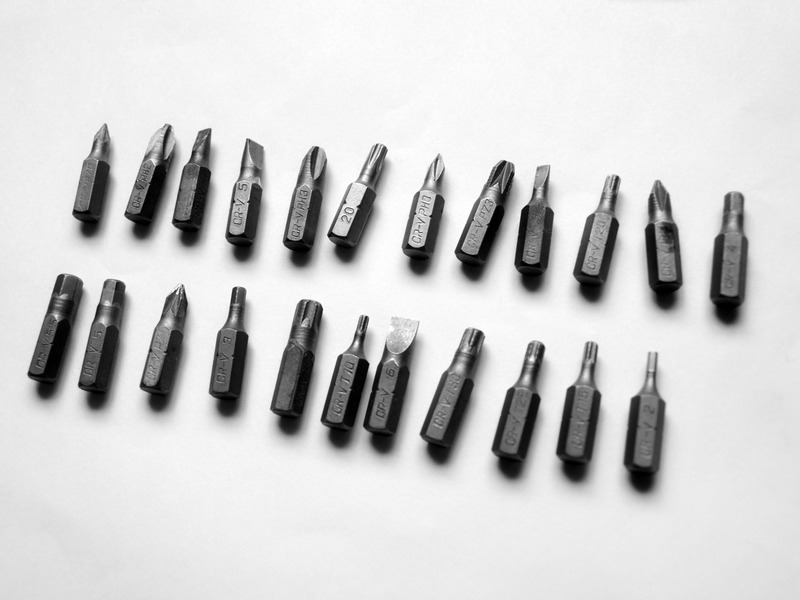
5. Does bit length or holder choice change compatibility?
Length affects access and control. A short insert bit may fit a compact holder; a longer power bit may reach recessed screws without an extension. A holder adds another interface, so check its shank, retention, and intended tool use. The bit must still match the host tool and fastener.
Long reach can increase deflection or complicate alignment. A magnetic sleeve may retain a screw during setup, but its magnet does not establish impact rating. Nutsetters need separate review because they engage external hex fasteners and have their own dimensions and stated uses.
- Specify insert or power-bit style and overall length.
- Identify direct-drive or holder-based use.
- Record holder retention and release requirements.
- Confirm access and screw retention with the target assembly.
Check the complete chain from tool to screw. Approve the bit, holder, and fastener as a combination where the buyer’s use depends on a holder or extended reach.
Reach and interface table
| Component | Specification to record | Sample check |
|---|---|---|
| Bit | Style, length, tip, shank | Seats fully and reaches work area |
| Holder | Input/output interface, retention | Locks, releases, and runs true |
| Host tool | Collet or chuck type, listed use | Accepts assembly per manual |
| Screw | Recess and access depth | Tip engages without obstruction |
6. Do color, finish, or markings prove impact suitability?
No color or finish is a reliable rating unless the maker’s controlled documentation defines it that way. Suppliers may use bands to distinguish profile, size, or product family. Black oxide, phosphate, and other finishes identify surface treatments, not impact performance by themselves. Avoid “black means impact” in catalogs.
Markings help when they trace a bit to a specification. Useful identifiers include profile and size, item code, or lot information. Small bits may have limited marking space, so packaging and a traceable BOM can carry more detail. Keep impact-rated and general-purpose items distinct in packaging.
- Define what each color band means in the product legend.
- Keep impact classification explicit in copy and item records.
- Link labels to an approved item code and revision.
- Ask how lot identity is preserved after repacking.
Use markings for identification, then verify the underlying record. Approve the label proof beside a physical sample before releasing a private-label package. For hand-tool category context, see the hand tools range.
Marking control table
| Mark or claim | Buyer use | Verification needed |
|---|---|---|
| Color band | Fast visual sorting | Written legend for each SKU |
| Tip size/profile | Match to fastener | Sample and BOM agreement |
| “Impact” wording | Communicate intended use | Maker’s item-level documentation |
| Lot or date code | Trace a batch | Supplier traceability method |
7. How should shops inspect and replace driver bits?
Bit wear often appears at the tip: rounded edges, chipped corners, twisting, or deformation can reduce engagement. A damaged bit can slip and mark a screw head. Remove it from service rather than leaving it in a mixed tray.
Inspection frequency depends on workload and material. Check bits during setup, after slipping, and when changing task or fastener type. Buyers can plan replacement packs for high-use profiles, protective slots, and separate impact and general-purpose rows.
- Look for rounded, chipped, twisted, or corroded tips.
- Check shanks for wear or retention damage.
- Quarantine suspect bits until disposition.
- Replace bits that no longer seat securely.
Make the check visible and repeatable. Add a quick tip inspection to work-cell setup and keep replacements labeled by profile, size, length, and use class. Do not claim a fixed service interval without application data.
Inspection table
| Condition | Response |
|---|---|
| Tip edges rounded or chipped | Remove and replace |
| Bit visibly twisted or bent | Quarantine; do not straighten for reuse |
| Shank retention area worn | Check holder fit; replace if insecure |
| Marking unreadable but bit appears sound | Identify against inventory record before use |
8. How should distributors build an impact-bit assortment?
Start from customer work, not a generic high piece count. Ask which screw profiles, sizes, lengths, materials, and tool interfaces appear most often. A trade counter may need common replacements; an industrial kit may need uncommon profiles and longer reach. Users need to distinguish impact bits from standard bits quickly.
Build assortment rows around named jobs and item-level specifications. Include holders only when their compatibility is clear. If a kit also includes manual drivers or rotary drill/driver accessories, label those roles separately. A compact household tool kit buying guide shows why kit counts and tool roles need careful description; for automotive service context, see automotive repair tools.
- Use customer sales or service data to prioritize profiles.
- Set minimum replacement quantities for high-use bits.
- Separate general-purpose and impact-rated slots.
- Approve case labels against the final BOM.
Build the case around replenishment as well as first sale. Review which pieces wear or go missing, then choose package quantities that support practical restocking.
Assortment planning table
| Assortment field | Define before quoting | Why it matters |
|---|---|---|
| Profile and size mix | Named sizes and quantities | Prevents vague “mixed bit” packs |
| Length | Each length by profile | Controls access and organization |
| Tool class | Impact or general purpose | Prevents unsafe substitution |
| Package | Slots, labels, refill format | Supports clear selection and replenishment |
9. What should an RFQ and sample approval include?
A useful RFQ describes each item and its application. “Impact bit set, assorted” leaves profile mix, length, shank, holder, and packaging open to interpretation. Add an itemized BOM and representative fasteners. For private label, attach artwork and identify claims needing evidence.
Ask suppliers to identify the exact model and provide available specifications. Review sample fit, seating, dimensions, markings, holder interface, and package count. For powered trials, record tool settings and fastener conditions; one setup cannot support a broad life claim.
- List profile, size, length, shank, quantity, and impact-use requirement.
- Identify tool or holder interface and representative fastener.
- Request item-specific drawings, material statements, and markings.
- Agree sample acceptance and change-control steps in writing.
Send one revision-controlled RFQ packet. Keep the itemized requirements and requested evidence together so the supplier can quote and prepare a sample against one clear revision.
RFQ acceptance table
| RFQ field | Minimum detail | Sample acceptance record |
|---|---|---|
| Bit identity | Profile, size, length, item code | Label and bit match BOM |
| Intended use | Named impact or general-purpose use | Documentation supports claim |
| Interface | Shank, holder, retention | Fit and release confirmed |
| Quality checks | Dimensions, markings, defects | Results tied to sample revision |
| Packaging | Piece count, layout, label | Approved proof matches sample |
10. Which bit should a buyer choose?
Choose a regular bit for hand screwdrivers or rotary drill/drivers when its maker lists those applications. Choose an impact bit when an impact driver will perform the fastening and that exact bit is documented for the intended tool. Then match the recess, size, length, shank, holder, and job conditions. No single visual clue replaces those checks.
Before a bulk order, approve representative samples and end-user packaging. Keep product identity clear in warehouse bins, case layouts, and replenishment records. Give each bit family a distinct description and use class.
- Confirm tool and bit documentation.
- Match tip geometry and size to real screws.
- Check every holder or accessory in the drive chain.
- Approve a labeled sample and revision-controlled BOM.
The safest buying rule is simple: specify the tool, fastener, and exact bit together. Request an impact-bit quotation with your profile list, sizes, lengths, quantity, application, target tool interface, and packaging needs through KOLARWIN’s contact page.
Buyer FAQs
Q1: Are impact bits and regular bits interchangeable?
Only when the maker documents it for that tool. A matching shank does not confirm impact suitability.
Q2: Can I use an impact bit in a regular drill/driver?
Check the maker’s compatibility statement; some impact bits list rotary drivers too.
Q3: Does a torsion zone prove a bit is impact-rated?
No. Confirm the exact item’s use statement and documentation.
Q4: Does a black or colored bit mean it is impact-ready?
No universal color code applies. Treat color as identification unless controlled records say otherwise.
Q5: What should I include when sourcing a private-label impact-bit set?
List profile, size, length, shank, quantity, tool, application, packaging, label, and sample criteria.
Looking for a reliable mechanic tools manufacturer in China?
If you are sourcing hand tools, socket tools, automotive repair tools, mechanic tool sets or OEM private label tools, contact KOLARWIN Tools for factory-direct quotation, customization support and product consultation.



