Need OEM supplier support for this product type?
Contact KOLARWIN Tools for OEM mechanic tools, private label packaging, wholesale quotation and product range support. This gives overseas buyers a clear path from article reading to supplier discussion.
Square and hexagonal ferrule crimps form different outside geometries after compression. Square profiles can suit rectangular connection compartments; hexagonal profiles can suit circular entries when dimensions match. US distributors should choose from ferrule, conductor, and receiving-clamp evidence rather than shape alone. Weidmüller and Phoenix Contact profile guidance gives buyers a sound starting point.
Contents
- 1. What does ferrule crimp shape change?
- 2. Where does a square profile fit well?
- 3. Where does a hexagonal profile fit well?
- 4. Is one profile universally better?
- 5. How do ferrule and conductor sizes interact?
- 6. What happens with round and rectangular clamps?
- 7. How should buyers inspect a crimp sample?
- 8. What should a distributor put in product data?
- 9. How should a ferrule-tool range be split into SKUs?
- 10. What belongs in a ferrule crimper RFQ?
1. What does ferrule crimp shape change?
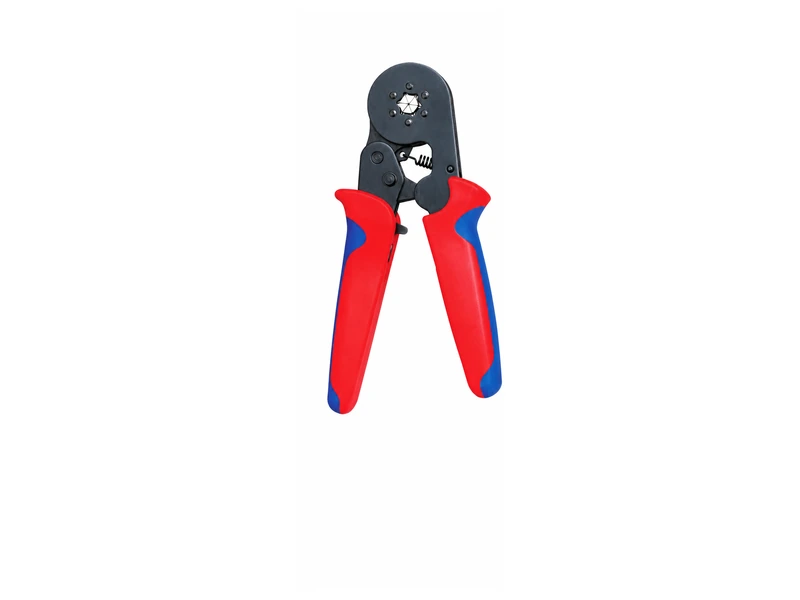
The crimp profile changes a ferrule’s outside geometry after compression. That geometry affects how the finished conductor enters a terminal block, clamp, connector, or distribution component. Weidmüller describes square forms as suited to square connection compartments and hexagonal forms as suited to circular connection compartments. Those are application observations, not a universal ranking.
Shape also affects orientation. A square ferrule may present a preferred face when inserted into a rectangular opening. A hexagonal ferrule has a more symmetric outline, which can make orientation less sensitive in a round entry. The receiving clamp still decides whether either profile seats correctly. A tool’s wire range does not replace that fit check.
- Identify the receiving terminal before choosing a crimp profile.
- Record opening shape, entry size, and any conductor centering feature.
- Keep single and twin ferrules in separate application notes.
Start with the receiving clamp. Work backward toward the ferrule and die.
Request one receiving-block sample or a dimensioned opening drawing with every new ferrule-tool brief.
Profile table: what shape changes
| Profile | Outside form after crimp | Buyer question |
|---|---|---|
| Square | Four broad faces and defined corners | Does a square or rectangular entry accept it? |
| Hexagonal | Six faces with near-round outline | Does a circular entry center it? |
| Trapezoidal | Directional, continuous surfaces | Is orientation controlled? |
| Other | Supplier-specific geometry | Which application drawing governs? |
2. Where does a square profile fit well?
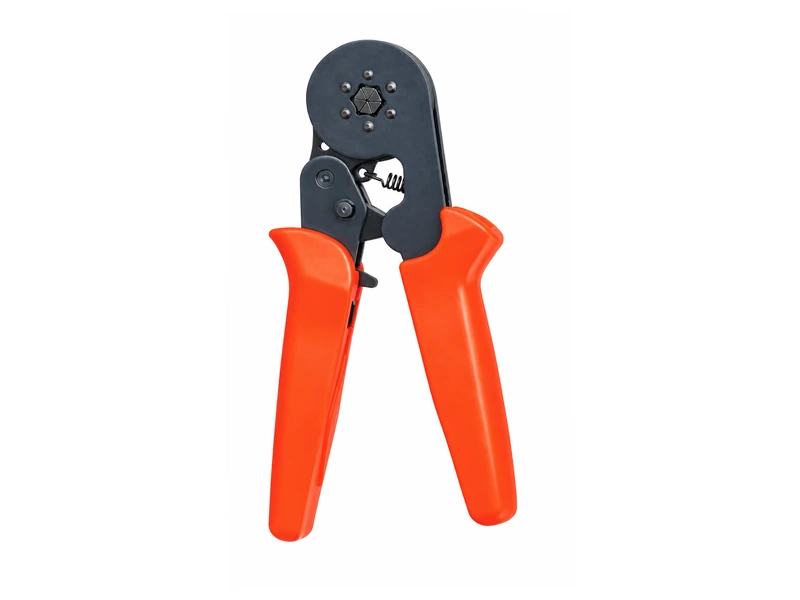
A square crimp can suit a terminal block with a square or rectangular connection compartment. Weidmüller says its square form matches a clamp shape and can provide an even hold when oriented correctly. Phoenix Contact also describes square ferrule crimps as established for common conductor areas, while warning that a square shape may not fit a round clamping space with the same nominal cross-section.
That warning belongs in a product listing. A square profile may offer broad contact faces, yet corners can interfere with a round entry. A distributor should show the finished ferrule or its outline instead of writing “fits all terminal blocks.” Check entry depth and clamping screw or spring geometry before expanding the range.
- Ask for finished width and corner dimensions.
- Check orientation inside the receiving compartment.
- Confirm whether the connector maker specifies a ferrule profile.
Check square-face clearance and orientation. A broad face helps only inside a compatible space.
Test the largest planned ferrule in the smallest specified opening before approving artwork.
Square-profile table: buyer checks
| Check | Why it matters | Evidence |
|---|---|---|
| Opening shape | Corners may contact walls | Terminal drawing |
| Orientation | Face alignment can affect hold | Insertion trial |
| Finished width | Nominal area may hide dimensions | Die and ferrule drawing |
| Collar position | Entry depth still matters | Prepared sample |
3. Where does a hexagonal profile fit well?
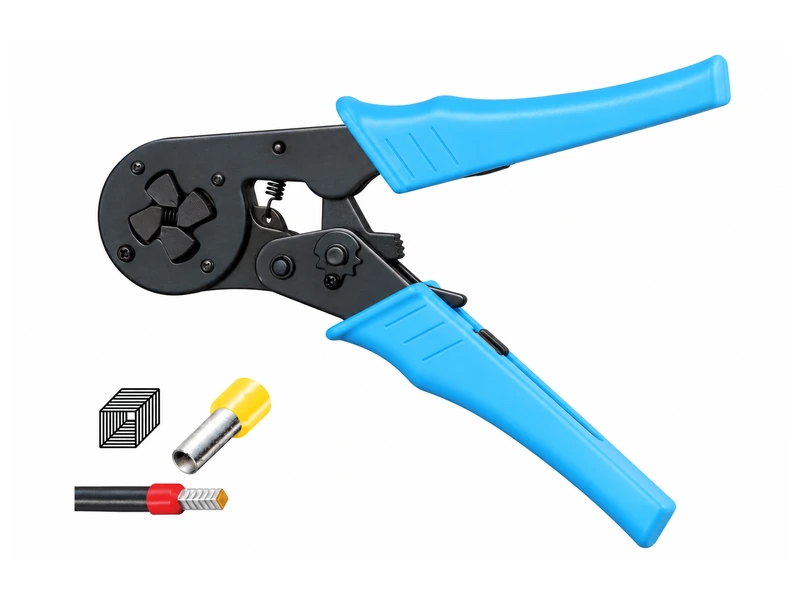
A hexagonal crimp creates a near-circular outside outline. Weidmüller lists that profile as suited to circular connection compartments and notes its neutral position. That symmetry can help installers insert a ferrule without finding a preferred face. It does not mean every hexagonal ferrule fits every round opening, because diameter, chamfer, collar, and conductor fill still control entry.
Hexagonal dies often appear in product families with defined wire ranges. Weidmüller’s PZ 10 HEX product, for example, identifies a hexagonal crimp tool for a stated ferrule area range. That product detail supports a sourcing habit: quote the actual range and profile together. Do not copy one tool’s range onto another model.
- Request finished across-corners or outside-diameter data.
- Check insertion into the smallest round entry.
- Confirm single, twin, and fine-stranded conductor use separately.
Measure the hexagonal outline before approval. Symmetry helps insertion only when diameter and opening agree.
Approve a hexagonal sample inside the actual round clamp used by your customer segment.
Hex-profile table: buyer checks
| Check | Why it matters | Evidence |
|---|---|---|
| Outside diameter | Controls round-entry fit | Finished-sample measurement |
| Neutral orientation | Reduces rotational concern | Insertion trial |
| Ferrule area | Sets die and sleeve match | Tool specification |
| Clamp style | Changes contact behavior | Receiving-component sample |
4. Is one profile universally better?
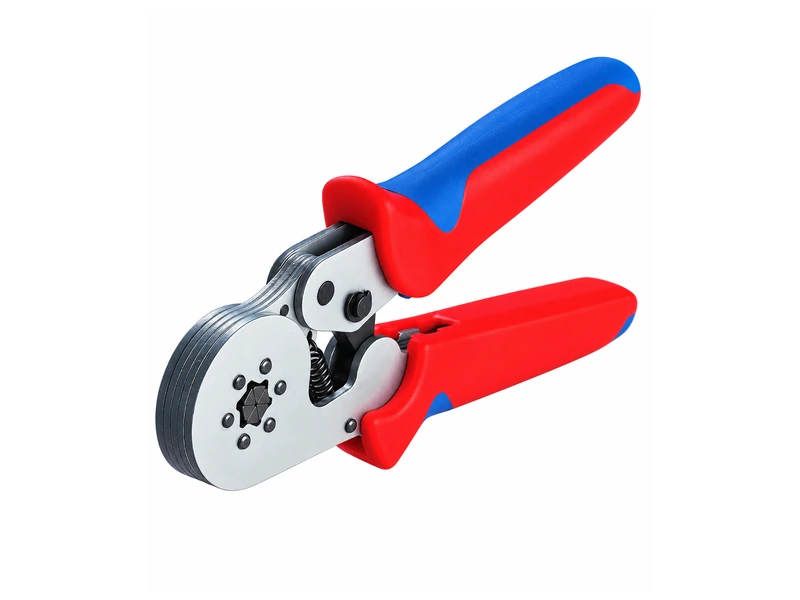
No. Weidmüller’s ferrule guidance presents square and hexagonal shapes with different advantages and limitations. Phoenix Contact states that all shown crimp forms can work in clamping spaces, while also noting that maximum cross-sections can create fit problems. Those conditions explain why a supplier should not promise that hexagonal always carries more current or that square always grips better.
Electrical performance depends on the ferrule, conductor, contact system, insertion, and applicable product requirements. Crimp shape alone does not establish current rating, pull-out strength, gas tightness, or certification. If a customer asks for a performance claim, ask which terminal system and test method support it.
- Treat shape as geometry rather than a rating.
- Separate insertion fit from electrical or tensile testing.
- Keep any standard reference tied to product scope.
Choose the profile from application evidence. Neither shape wins in every receiving part.
Delete universal superlatives from a listing unless a controlled test report supports the exact configuration.
Claim table: avoid profile shortcuts
| Shortcut claim | Why it is unsafe | Better wording |
|---|---|---|
| Hex is always better | Ignores opening and conductor conditions | “Often suits circular entries; verify fit” |
| Square has the highest contact | Depends on clamp and orientation | “Presents broad faces in compatible openings” |
| Works in every block | Geometry varies by block | “For approved terminal combinations” |
| Shape sets current rating | Rating belongs to system evidence | “Request application-specific data” |
5. How do ferrule and conductor sizes interact?
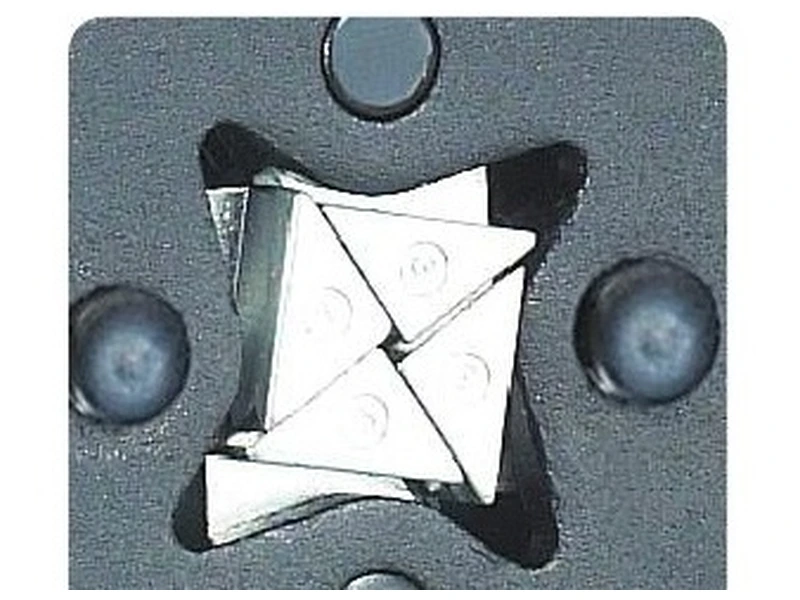
A ferrule size should match conductor area and strand fill. The profile then compresses that ferrule into a form that must enter the receiving clamp. Phoenix Contact’s material lists common ranges for square and hexagonal forms, but those ranges describe tool families and typical practice, not an automatic approval for every conductor or terminal block.
Twin ferrules need extra care because two conductors share one sleeve. The sleeve length, collar, conductor arrangement, and die cavity must all suit the combination. Fine-stranded conductors can also change how the sleeve fills. Ask whether a cited wire range includes the conductor class you plan to sell.
- Record AWG or mm² and conductor construction.
- Test the smallest and largest planned ferrules.
- List twin-ferrule use as a separate application.
Record every dimension in the fit chain. Conductor, sleeve, finished profile, and opening meet at one connection.
Send prepared single and twin ferrule samples for range approval.
Sizing table: fields beyond wire area
| Field | What it controls | Sample evidence |
|---|---|---|
| Conductor area | Sleeve fill | AWG or mm² record |
| Strand class | Packing and handling | Wire specification |
| Ferrule length | Insertion and collar position | Ferrule drawing |
| Finished profile | Entry clearance | Crimped sample |
6. What happens with round and rectangular clamps?
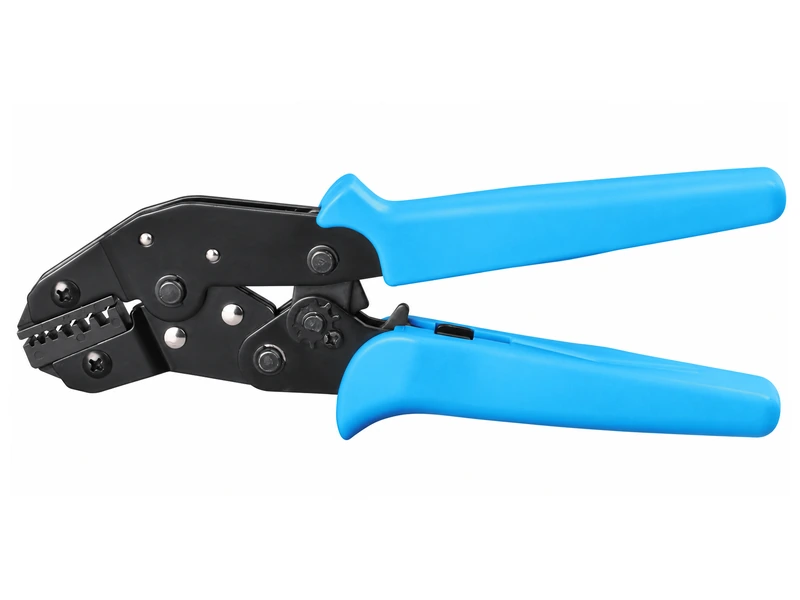
Round clamps often reward a near-circular ferrule outline because insertion can be less sensitive to rotation. Rectangular or square compartments may use the broad faces of a square crimp. Yet a clamp can include a spring, screw, cage, or side entry that changes the usable envelope. The best profile on a catalog page may fail when the collar meets a housing wall.
Use actual mating parts where possible. Insert the finished ferrule without force, close the clamp, and check whether the conductor remains centered. Record the profile orientation and any interference. If a connector manufacturer publishes a preferred ferrule form, keep that requirement with the approval record.
- Measure entry width and depth, not just cross-sectional area.
- Check collar and insulation clearance.
- Repeat insertion after conductor trimming and crimping.
Check housing interference at the opening. A small clearance issue can defeat a suitable profile.
Add a receiving-space sketch to the RFQ and mark the insertion direction.
Receiving-space table: fit evidence
| Receiving feature | Square implication | Hexagonal implication |
|---|---|---|
| Rectangular opening | Broad faces may align | Corners may reduce clearance |
| Round opening | Corners need checking | Near-round outline may suit |
| Side entry | Orientation can be fixed | Symmetry can simplify insertion |
| Tight collar area | Profile may foul housing | Diameter and collar need check |
7. How should buyers inspect a crimp sample?
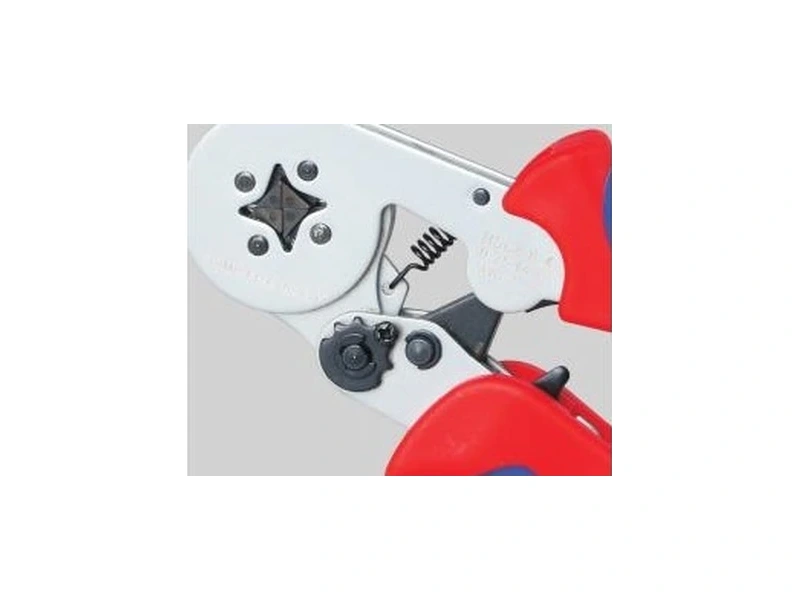
Start with the uncrimped ferrule and conductor. Confirm sleeve length, collar condition, conductor insertion, and strand preparation. After crimping, inspect the profile for uniform compression, cracks, burrs, collar distortion, and strands that sit flush or slightly beyond the sleeve as specified by the application. Weidmüller and Phoenix Contact both present visual checks as part of ferrule processing guidance.
Then test the mating action. Insert the finished ferrule into a representative receiving clamp and close it using the normal method. A visual pass without insertion evidence leaves a gap. If the buyer requires pull testing, record sample size, speed, force limit, and acceptance rule from the applicable standard or specification.
- Keep tool, die, ferrule, and wire identity with each sample.
- Use one operator for the approval sample and another for repeatability.
- Photograph any profile that needs a defined orientation.
Approve samples through the sale-unit path. Preparation, crimp, insertion, and inspection all belong in the record.
Attach the receiving component and a marked crimp profile to the approval file.
Inspection table: sample sequence
| Step | What to check | Hold point |
|---|---|---|
| Preparation | Strip length and strand condition | Damaged or spread strands |
| Crimp | Profile, collar, and burrs | Cracks or uneven compression |
| Insertion | Entry, orientation, and clearance | Force or housing interference |
| Test | Pull or electrical method | Unnamed acceptance rule |
8. What should a distributor put in product data?
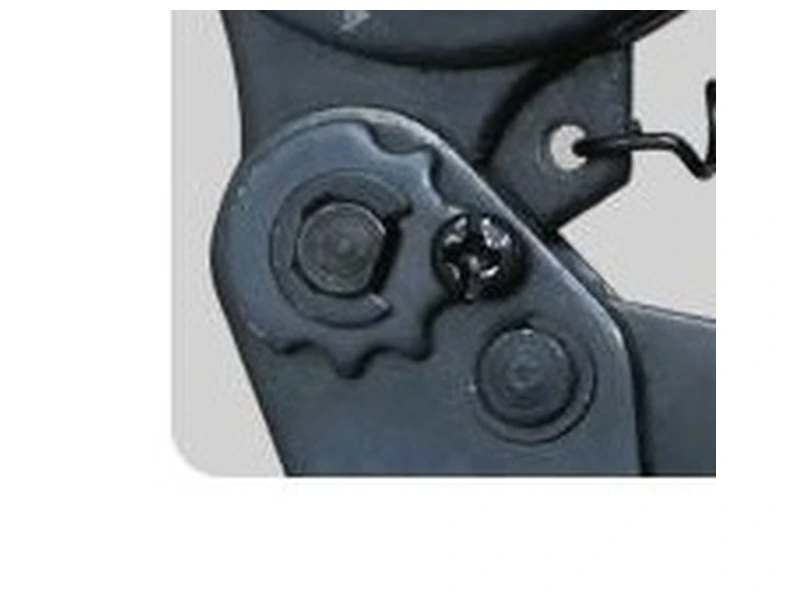
List crimp profile, ferrule range, conductor range, die type, and receiving-space guidance. A title can say square or hexagonal ferrule crimp, but a description should tell buyers what that profile means for insertion. Show the tool head and a finished sample. Avoid a product photo that hides the actual cavity.
Keep the profile separate from handle mechanism. A ratcheting ferrule tool may be available in both square and hexagonal versions. Buyers need a clear code for each die or tool. Link a taxonomy page such as types of crimping tools for context, then keep item-level fit in the product specification.
- Put profile in a searchable specification field.
- State whether dies are fixed, replaceable, or self-adjusting.
- Separate ferrule crimping from terminal-lug crimping.
Show geometry in words and samples. Good catalog data lets a buyer reject a bad fit before ordering.
Have customer service read the listing while comparing it with one real terminal block.
Product-data table: required fields
| Field | Example content | Reason |
|---|---|---|
| Profile | Square or hexagonal | Sets outside geometry |
| Ferrule range | Approved area range | Limits wire choices |
| Die format | Fixed or replaceable | Controls service expectations |
| Mating guidance | Round or rectangular entry note | Reduces returns |
9. How should a ferrule-tool range be split into SKUs?
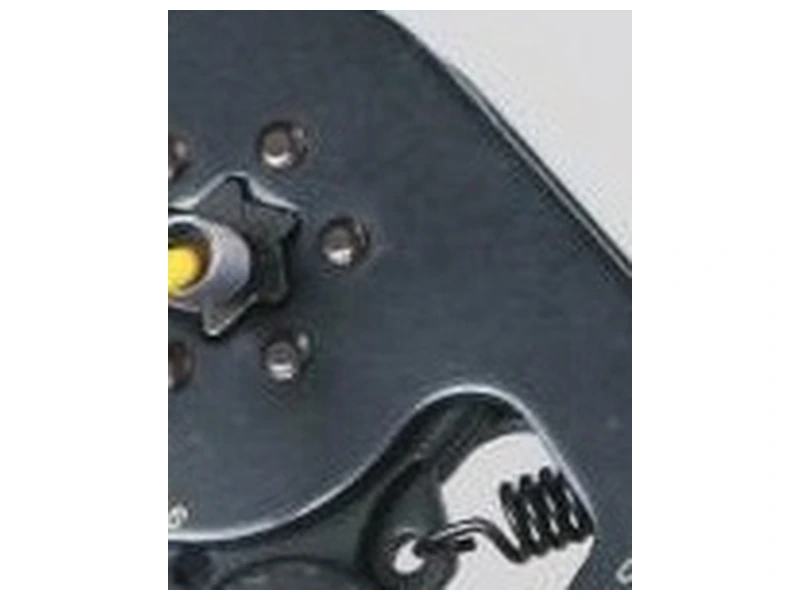
Split SKUs by profile, conductor range, die format, and any meaningful handle or access difference. Do not create five near-identical listings that differ only in a color you cannot map to a drawing. A distributor can stock a compact square tool for rectangular clamps and a hexagonal tool for round entries, then add larger ranges after customer demand and sample evidence support them.
Separate single-ferrule and twin-ferrule applications. If a tool uses self-adjusting dies, still record its stated limits and profile options. The hand tools page can hold family navigation, while product records should capture each approved die configuration.
- Use profile and range in SKU naming.
- Keep replacement dies under controlled codes.
- Track returns by receiving clamp and ferrule type.
Build the range around mating parts. Shape, size, and service record matter more than color.
Review ten recent ferrule requests and map each to an approved profile before adding a new SKU. If the same catalog carries other hand tools, compare the specialty pliers buying guide before adding a neighboring category.
SKU table: range architecture
| SKU split | Keep separate when | Combine only when |
|---|---|---|
| Square versus hexagonal | Receiving spaces differ | Same approved die and fit data |
| Single versus twin | Sleeve and conductor layout differ | Same tool scope is documented |
| Range size | Die limits differ | One specification covers both |
| Replacement die | Code or orientation differs | Interchangeability is proven |
10. What belongs in a ferrule crimper RFQ?
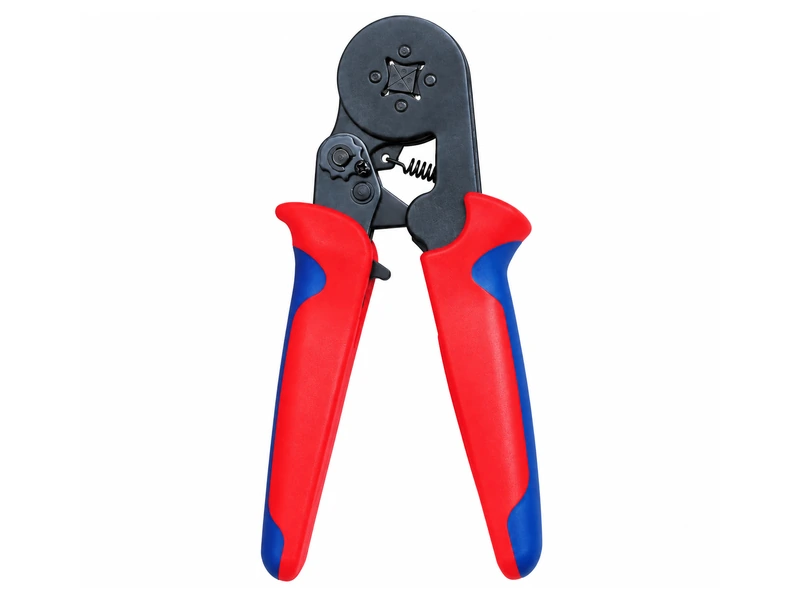
Name profile, conductor area, conductor class, ferrule family, single or twin use, receiving clamp shape, entry dimensions, and expected inspection. Ask for a drawing showing finished profile, collar, die code, and range. Request samples that include an uncrimped ferrule, a crimped ferrule, and the actual receiving component. That set gives your team a practical fit check.
Add packaging and service details. Ask for tool markings, replacement-die policy, change notices, sample signoff, and any applicable test documentation. Avoid requesting a current-rating claim based on shape alone. If your range sits inside industrial maintenance, refer to the industrial maintenance repair tools buyers guide. For a supplier discussion, use Kolarwin’s contact page and attach the marked receiving-space sketch. Keep wire preparation separate with the wire stripper versus wire cutter guide, and use the automotive repair tools range when your customer segment is vehicle service. Supplier context sits on Kolarwin’s about page.
- Put profile and mating geometry on page one of the RFQ.
- Ask for evidence tied to the exact tool and ferrule.
- State that substitutes need written approval.
Make the profile measurable in the RFQ. A drawing and mating sample beat a universal label.
Q1: Is a square ferrule crimp better than a hexagonal one?
Neither wins in every application. Choose based on receiving-space shape, entry clearance, conductor arrangement, and approved system evidence.
Q2: Does a hexagonal crimp fit every round terminal block?
No. Diameter, collar, chamfer, and housing clearance still need a sample or drawing check.
Q3: Does square shape prove higher current capacity?
No. Current performance belongs to the complete ferrule, conductor, clamp, and applicable test or product requirement.
Q4: Should twin ferrules use the same die setting as single ferrules?
Not automatically. Confirm sleeve, conductor arrangement, die cavity, and tool specification for twin use.
Q5: What should an importer request before ordering?
Request exact profile and range drawings, tool and die identity, prepared samples, receiving-component fit evidence, inspection criteria, and approved packaging data.
Looking for a reliable mechanic tools manufacturer in China?
If you are sourcing hand tools, socket tools, automotive repair tools, mechanic tool sets or OEM private label tools, contact KOLARWIN Tools for factory-direct quotation, customization support and product consultation.