Need OEM supplier support for this product type?
Contact KOLARWIN Tools for OEM mechanic tools, private label packaging, wholesale quotation and product range support. This gives overseas buyers a clear path from article reading to supplier discussion.
A customer asks for something that will grip a pipe. That still leaves several different jobs: holding a fitting, turning steel pipe, or protecting a finished surface. For water pump pliers vs pipe wrench selection, start with workpiece shape, material and access. Then compare adjustment, grip behavior and replacement parts.
Contents
- 1. What changes when you switch between these tools?
- 2. When do water pump pliers make practical sense?
- 3. When should a buyer choose a pipe wrench?
- 4. Will either tool damage polished fittings?
- 5. How should buyers compare size and opening?
- 6. Which adjustment details deserve a hands-on check?
- 7. What should a distributor inspect before accepting stock?
- 8. What should instructions say about misuse?
- 9. Should importers stock both families?
- 10. What information should go into an RFQ?
1. What changes when you switch between these tools?
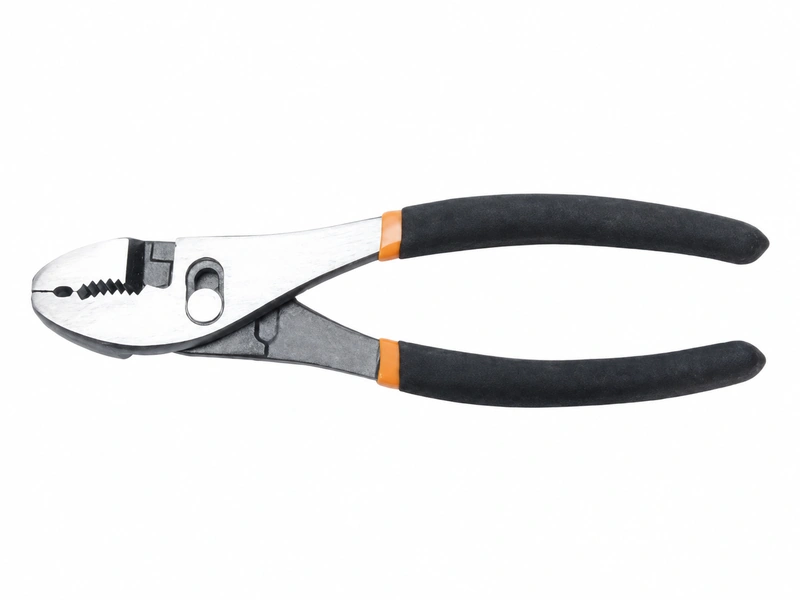
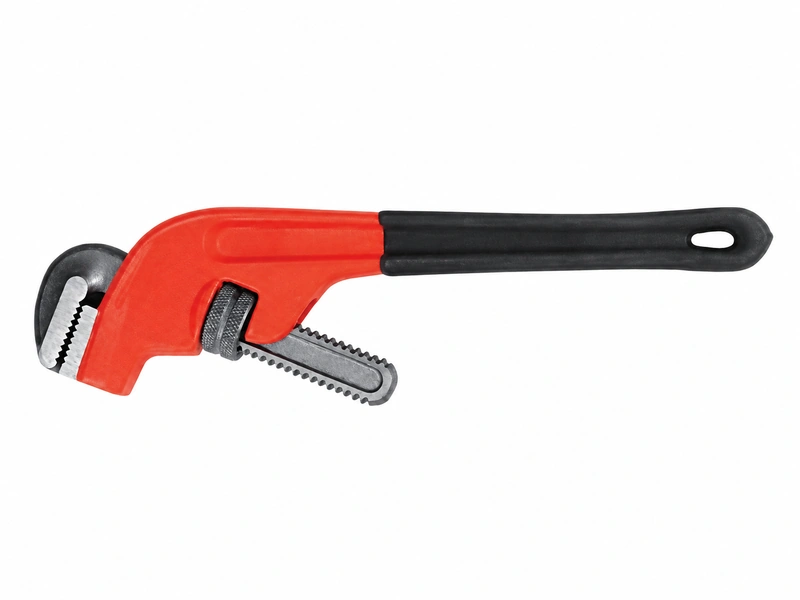
Water pump pliers have two handles and an adjustable joint. Their jaws accommodate different workpiece sizes within a model’s stated range. A conventional straight pipe wrench uses an adjusting nut and a movable hook jaw. Its gripping action develops as you turn a suitable round workpiece.
Those descriptions matter at a sales counter. A buyer who needs repeated adjustments around small fittings may value pliers. Someone turning round steel pipe may need a pipe wrench. Neither request can be answered from overall tool length alone.
Ask what actually needs turning. Request a photograph or sample of that part before recommending either family. The hand tools range provides category context once you have identified the task.
- Record round, flat or irregular contact surfaces.
- Ask whether tooth marks are acceptable.
- Separate holding a part from turning a connection.
Write those answers beside the proposed SKU rather than describing both products as interchangeable plumbing tools.
Basic selection map
| Question | Water pump pliers | Conventional pipe wrench |
|---|---|---|
| Adjustment | Joint position varies by design | Nut adjusts hook jaw |
| Typical decision | Variable gripping tasks | Turning suitable round pipe |
| Surface check | Teeth may mark parts | Teeth bite into pipe surface |
2. When do water pump pliers make practical sense?
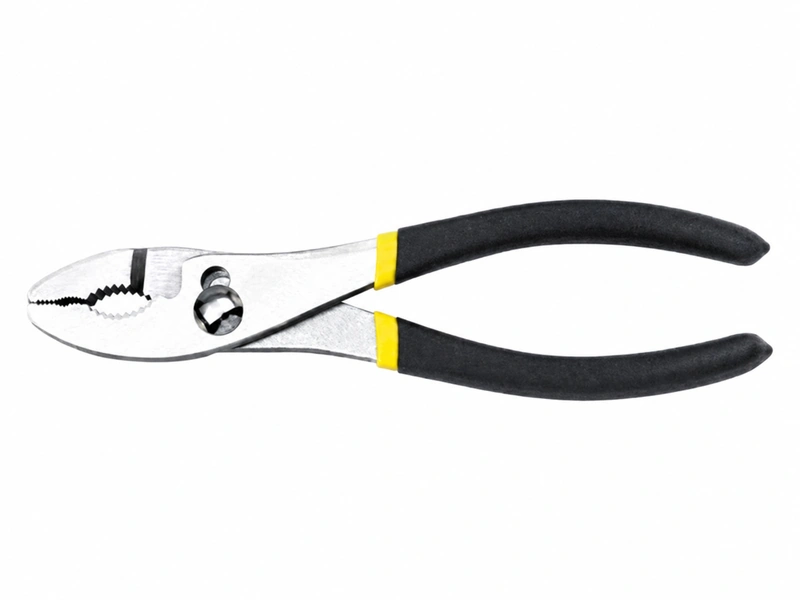
Think about a maintenance cart containing several sizes of fittings. A worker might need to hold one component while a separate tool turns another. Adjustable pliers can cover changing gripping tasks without swapping several fixed-opening tools. Actual suitability still depends on jaw shape and usable opening.
A thin head may reach a location that a broader tool cannot enter. But a smaller head also needs enough contact with the part. Looking slim in a catalog does not prove useful access under load.
Try the crowded job before approving the range. Use a representative fitting and surrounding obstruction during sample review. Include the second tool if a connection needs counterholding.
- Check whether both handles can move freely.
- Compare grip span at the intended opening.
- Observe whether jaws seat securely without awkward repositioning.
The specialty pliers buying guide helps distinguish gripping tools from cutters, strippers and other similar-looking products. Keep those functions separate on a distributor shelf. A broad assortment becomes easier to sell when staff can explain each tool’s job.
Useful sample jobs
| Sample task | What to observe | Reason to change selection |
|---|---|---|
| Hold a fitting | Jaw contact and handle clearance | Contact slips or obstructs another tool |
| Grip an irregular component | Stable seating | Tool rocks across contact points |
| Work beside a wall | Head and hand clearance | Handle movement is blocked |
3. When should a buyer choose a pipe wrench?
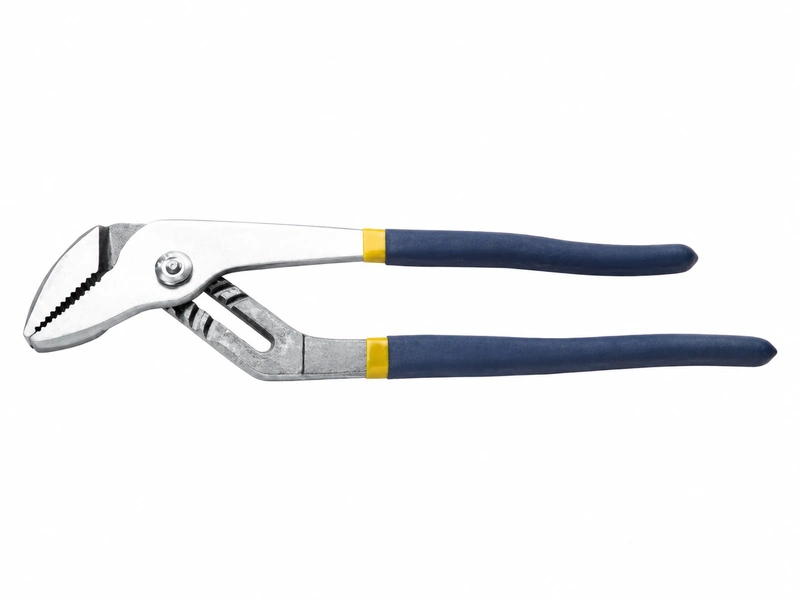
A conventional pipe wrench belongs in a range serving suitable round pipe and threaded pipe connections. Its teeth grip by biting into material. That makes surface condition part of selection rather than an incidental cosmetic issue.
An installer dealing with round steel pipe has a different requirement from someone working on a decorative faucet. A wrench that grips the pipe successfully may leave a finish the second customer cannot accept. Thin-wall material also needs careful evaluation because gripping force can deform it.
Confirm the pipe before choosing the wrench. Ask for material, outside diameter, wall condition and connection location. Use the manufacturer’s instructions for the exact model rather than borrowing another brand’s capacity table.
- Specify approved workpiece material and size.
- Confirm room for jaw placement and handle travel.
- Check whether replacement hook and heel jaws are available.
For flat-sided fasteners, review the pipe wrench versus adjustable wrench comparison. A pipe wrench should not become a default substitute for a fitting wrench just because both appear in a plumbing catalog.
Pipe-job screening
| Item to identify | Buyer record | What it prevents |
|---|---|---|
| Pipe material | Named material and condition | Assuming every round part is suitable |
| Outside diameter | Actual workpiece measurement | Confusing nominal size with opening |
| Finish | Marking acceptable or unacceptable | Cosmetic returns after purchase |
4. Will either tool damage polished fittings?
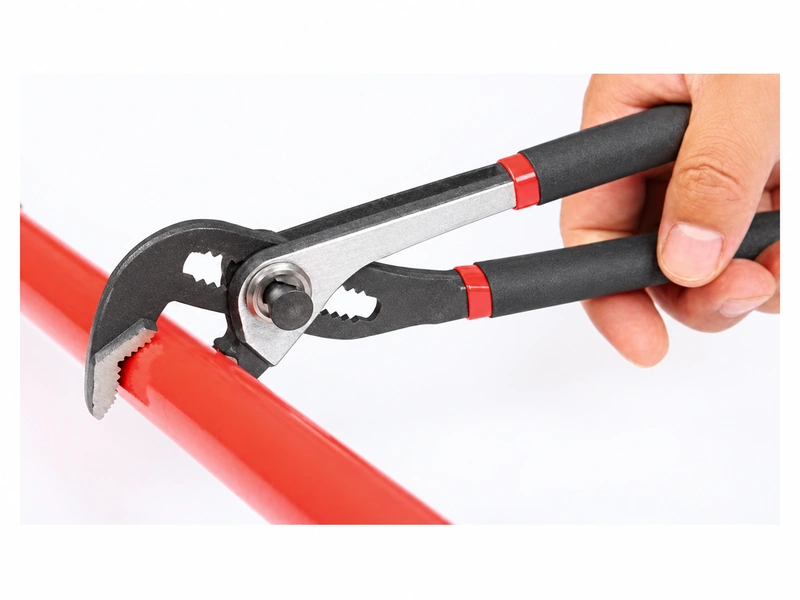
Toothed jaws can leave impressions on softer or finished surfaces. Chrome appearance does not make a fitting immune to marking. A tool that holds firmly can still produce an unacceptable result for a visible bathroom installation.
Do not promise damage-free work by adding an untested strip of cloth around the jaws. A loose covering can alter seating and slip. If a manufacturer offers purpose-designed protective jaws, check compatibility and intended use. A smooth-jaw fitting tool may be the better category for that customer.
Put finish quality in the buying brief. During sample review, use a sacrificial part matching the customer’s surface. Examine it under ordinary inspection lighting after the intended operation.
- Record plating, coating or soft base material.
- Ask whether visible contact marks are allowed.
- Keep protective accessories tied to their approved tool models.
A repair-shop assortment should distinguish these surface-sensitive jobs from general gripping tasks. The automotive repair tools category can support adjacent workshop needs, but it does not establish that any pictured pliers suit a delicate fitting.
Surface decision table
| Workpiece | Selection question | Approval evidence |
|---|---|---|
| Polished fitting | Is a smooth-jaw tool required? | Surface checked after a trial |
| Coated component | Will gripping breach coating? | Written marking allowance |
| Rough steel pipe | Are tooth impressions acceptable? | Job requirement and model instructions |
5. How should buyers compare size and opening?
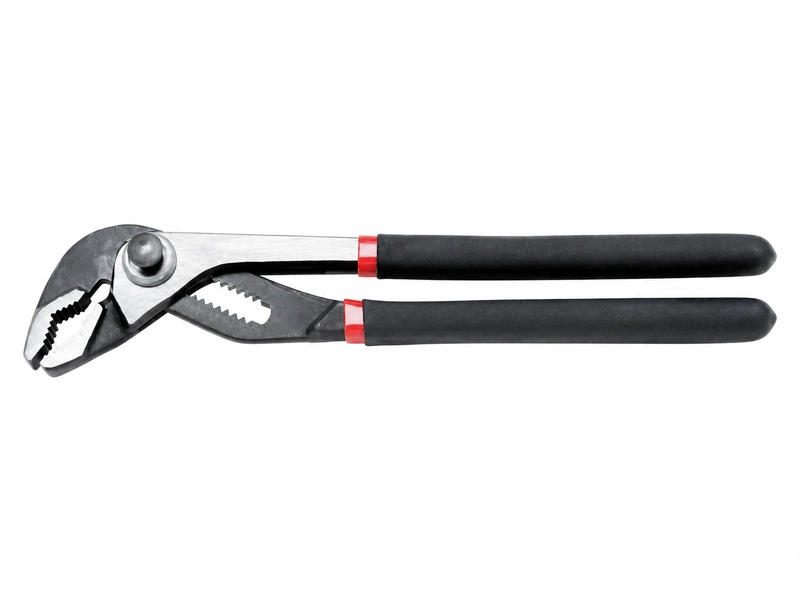
Overall length describes the tool, not every workpiece it can grip. Two similarly sized products may have different jaw openings, head widths and adjustment positions. A photograph with handles fully spread can also exaggerate how useful an opening feels in practice.
For pliers, examine grip span at the actual task size. For a pipe wrench, check the model’s stated pipe range and required jaw engagement. Follow its setup instructions, including any required clearance behind the pipe. Do not judge fit by whether the jaws barely reach around it.
Measure the working envelope. Ask suppliers for dimensions with the tool positioned around a representative part. Include the surrounding wall or equipment casing in that comparison.
- Overall length and head width.
- Usable opening under specified conditions.
- Handle spread at the sample workpiece size.
- Space needed for repositioning.
Keep these details in the industrial maintenance purchasing brief. They help a buyer choose a workable cart assortment instead of ordering several overlapping lengths without a clear purpose.
Dimensions worth requesting
| Dimension | What it tells you | What it cannot prove |
|---|---|---|
| Overall length | Storage and reach | Universal capacity |
| Head width | Access through an opening | Secure contact on its own |
| Working opening | Fit around a stated part | Suitability for every material |
6. Which adjustment details deserve a hands-on check?
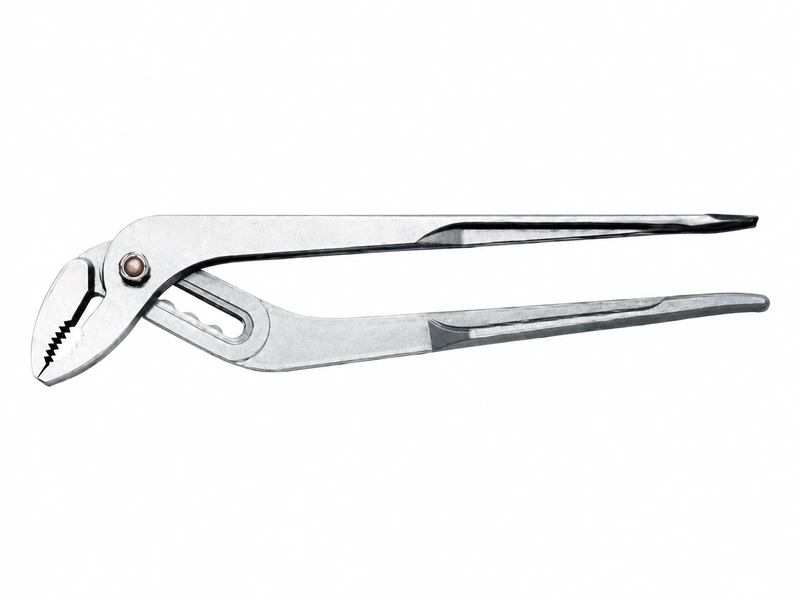
Water pump pliers may use groove, push-button or other adjustment systems. Counted positions tell you how many settings exist, but not how comfortably those settings match a particular fitting. The difference between two adjacent positions can matter more than the headline count.
Check whether the adjustment engages fully and stays where intended during a model-approved trial. A pipe wrench needs smooth adjustment and the jaw movement specified by its manufacturer. Some movement is part of the mechanism; treating every movement as a defect can create bad inspection rules.
Compare the same part across samples. Hand every evaluator the same workpiece and written task. Otherwise, comments about “better grip” may describe different setups.
- Move through each adjustment position.
- Check engagement before applying working force.
- Record sticking, unintended changes or damaged threads.
Ask suppliers to explain intended movement and rejection conditions. Keep those explanations alongside the approved sample. Warehouse staff should not have to decide from memory whether a particular joint feels unusually loose.
Adjustment review record
| Feature | Record during sampling | Escalate when |
|---|---|---|
| Pliers setting | Selected position and engagement | Setting changes unexpectedly |
| Wrench adjustment | Smooth travel across stated range | Threads bind or skip |
| Moving jaw | Behavior against model instructions | Movement falls outside documented condition |
7. What should a distributor inspect before accepting stock?
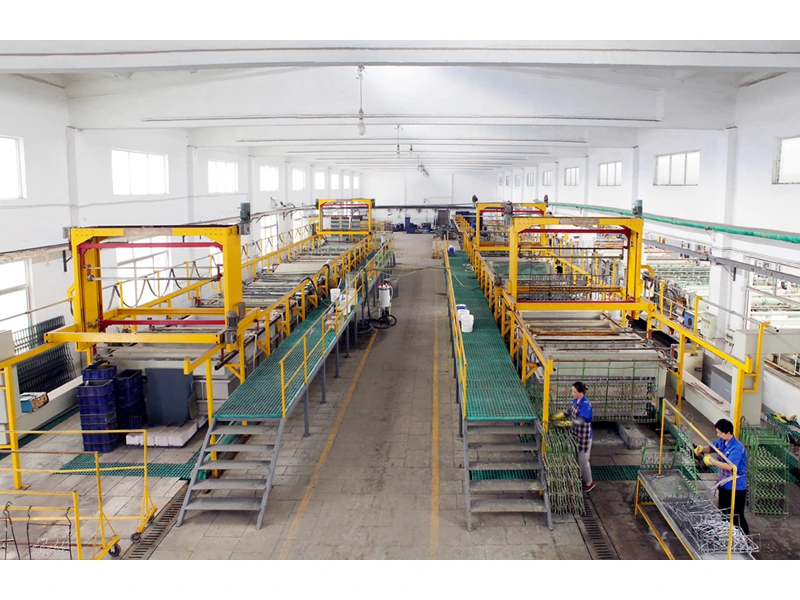
Start with identity. A carton labeled with one length may contain a similar-looking variant with a different head or handle. Confirm part number, finish, adjustment design and markings before discussing performance.
Then inspect contact surfaces and moving parts. Look for damaged teeth, cracks, burrs, loose components or an adjustment that does not engage. Compare samples with the approved model and its inspection instructions. A shiny finish can hide very little once a buyer looks at the actual jaw geometry.
Keep cosmetic and functional decisions separate. A small finish blemish and a damaged gripping tooth need different responses. Agree on acceptance criteria before shipment.
- Photograph the tool identity and jaw condition.
- Record adjustment operation separately from appearance.
- Quarantine a suspected functional defect for review.
For a mechanics tool set, check the pliers after packout as well. A case cavity that presses on an adjustment button or hides a damaged jaw can undermine an otherwise sensible incoming check.
Receiving check sheet
| Check | Evidence | Buyer response |
|---|---|---|
| Correct variant | Part number and sample comparison | Hold wrong items |
| Jaw condition | Close photographs | Review chips, cracks or missing teeth |
| Adjustment | Recorded functional check | Investigate failure to engage |
8. What should instructions say about misuse?
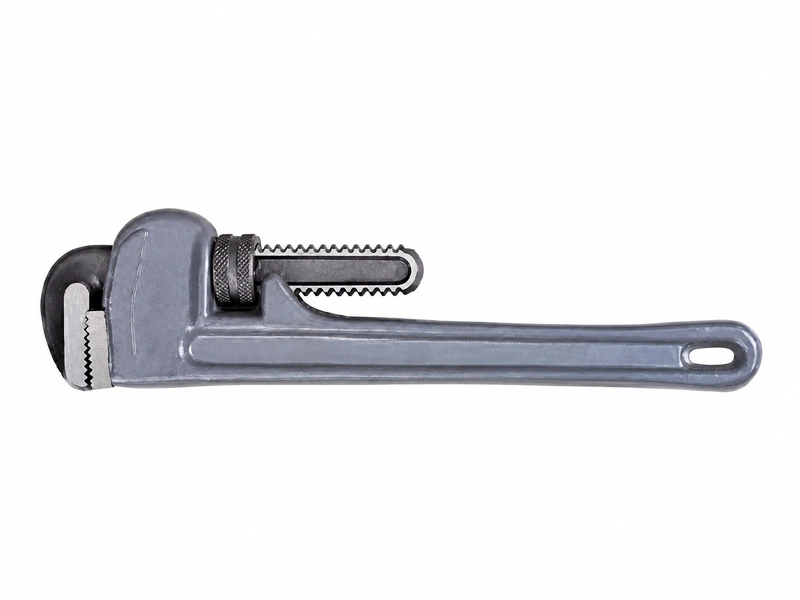
The product page should describe the intended job clearly enough that buyers do not improvise another one. A gripping tool has limits even when it looks substantial. Handle extensions, hammering and using the tool as a lifting device do not become acceptable because a connection is stubborn.
Instructions also need to distinguish comfort grips from electrical insulation. Handle color, rubber feel and a thick sleeve cannot establish an electrical rating. Keep electrical work outside the product claim unless specific documentation supports it.
Make the limit easy to find. Put relevant restrictions beside the application description, rather than hiding them in a separate marketing paragraph. Follow the exact manufacturer’s operating instructions.
- State intended workpiece and operating method.
- Identify surface-marking and material limits.
- Include inspection and replacement guidance.
Do not publish a torque figure inferred from handle length. A tool’s actual approved use depends on its design and documentation. If a customer needs more turning force, refer that job for a suitable tool selection rather than suggesting an improvised extension.
Instructions review
| Common assumption | Required clarification | Supporting document |
|---|---|---|
| Longer handle means unlimited force | Approved hand-tool use | Model instructions |
| Soft grips mean electrical protection | Rating must be documented | Applicable product certification |
| All round parts suit toothed jaws | Material and finish limits apply | Workpiece requirements |
9. Should importers stock both families?
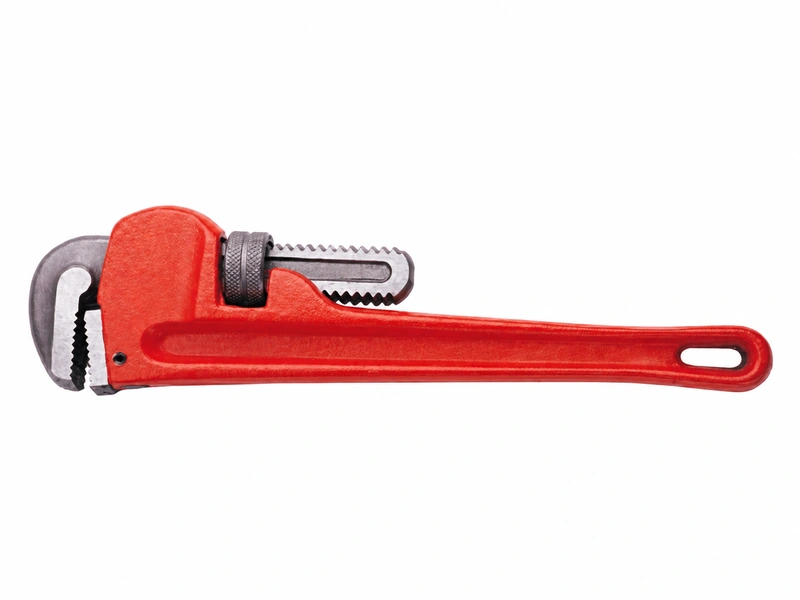
Stock both when customer jobs justify both. A mixed maintenance channel may need adjustable gripping pliers and a separate pipe wrench offering. A retailer serving finish-sensitive installation work may need a smooth-jaw alternative before adding another toothed tool.
Ask sales staff to classify inquiries by task rather than customer occupation alone. “Plumber” covers a wide range of materials, connections and access conditions. Returned items can also reveal whether the assortment description created a wrong expectation.
Give each SKU a clear shelf job. Compare overlapping products on actual workpiece fit, head clearance and adjustment behavior. Avoid adding another handle color as if it covers a new application.
- Map recurring customer tasks to tool families.
- Retain sizes with a distinct working role.
- Track finish complaints separately from slipping complaints.
Check supplier background alongside product documentation. Ask which components can be reordered and whether an approved replacement changes jaw geometry. Service support belongs in the commercial comparison because a replacement tool must still match the customer’s job.
Assortment planning table
| Channel demand | Possible assortment role | Detail to confirm |
|---|---|---|
| General maintenance gripping | Adjustable pliers | Common part sizes and access |
| Round pipe installation | Pipe wrench | Approved material and pipe range |
| Visible finished fittings | Suitable surface-protecting tool | Acceptable marks after trial |
10. What information should go into an RFQ?
Send a short job description before requesting a price list. Include a workpiece photograph, dimensions, material, surface requirements and surrounding clearance. Ask suppliers to name the proposed model and explain why it fits.
Separate tool specifications from packaging. A different case, label or handle color should not silently change jaws, adjustment parts or instructions. Request confirmation whenever a supplier proposes a substitute during production.
Quote the job and the exact variant together. A useful offer identifies both, along with replacement parts and sample acceptance conditions.
- Intended task and workpiece details.
- Tool length, opening and head dimensions.
- Adjustment design and service parts.
- Approved sample, marking and packout requirements.
Send that brief through the contact page. Ask for an itemized response and a sample of each proposed variant before committing to the assortment. Your sales team should be able to explain the difference without relying on “heavy duty” printed across a box.
Q1: Are water pump pliers and pipe wrenches interchangeable?
Some gripping tasks overlap, but adjustment, contact geometry and intended workpieces differ. Select by the actual job and model instructions.
Q2: Can water pump pliers mark chrome fittings?
Yes. Toothed jaws can mark finished surfaces. Check whether a suitable smooth-jaw tool or approved protective accessory is required.
Q3: Does a longer tool always have a larger usable opening?
No. Confirm opening, jaw engagement and handle clearance from the exact model’s dimensions and instructions.
Q4: Should a pipe wrench be used on hex nuts?
Use an appropriate fastener wrench. Conventional pipe-wrench instructions can exclude square, hexagonal and other non-round materials.
Q5: What sample should an importer request?
Request the exact quoted variant and check it against representative workpieces, access conditions and written acceptance criteria.
Looking for a reliable mechanic tools manufacturer in China?
If you are sourcing hand tools, socket tools, automotive repair tools, mechanic tool sets or OEM private label tools, contact KOLARWIN Tools for factory-direct quotation, customization support and product consultation.