
Need OEM supplier support for this product type?
Contact KOLARWIN Tools for OEM mechanic tools, private label packaging, wholesale quotation and product range support. This gives overseas buyers a clear path from article reading to supplier discussion.
A compression test checks pressure built while an engine cranks. A leak-down test feeds regulated air into a stationary cylinder to assess sealing and help trace leakage. Distributors choosing diagnostic kits need both distinctions clear: each tool answers a different question, and vehicle-specific procedures govern setup and interpretation.
1. What does each engine test measure?
A compression tester records pressure produced as the starter turns an engine. A leak-down tester compares supplied air with air retained in a cylinder held at a specified piston position. Both relate to cylinder condition, but they measure it under different conditions. A compression reading reflects a moving engine and depends on its cranking speed, valve events, temperature, throttle position, and test setup. A leak-down reading reflects stationary sealing with external air applied through a calibrated tester.
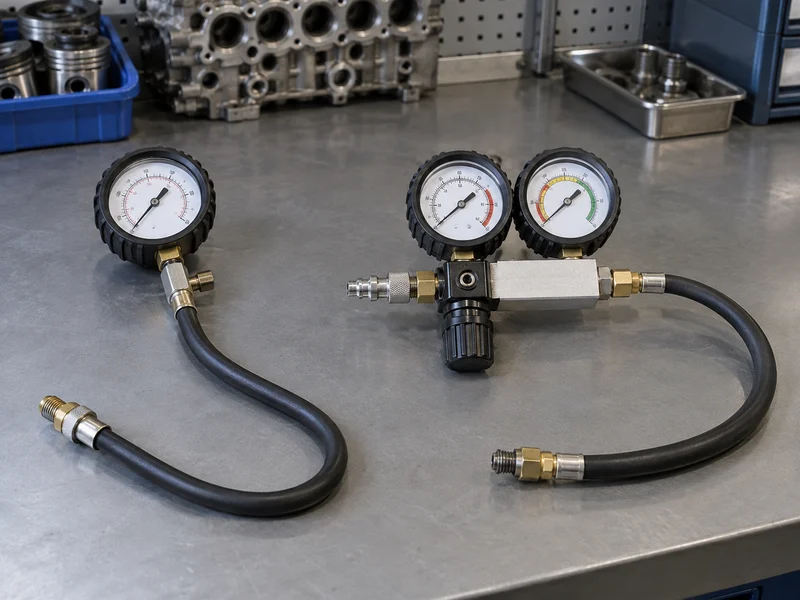
Begin with the measurement, not the tool name.
- A compression gauge connects through a spark-plug, injector, or glow-plug port, depending on engine design and adapter kit.
- A leak-down tester uses an air supply, regulator, gauge arrangement, hose, and engine-specific adapter.
- A compression test looks at pressure buildup during cranking.
- A leak-down test assesses air loss at a stationary cylinder position.
For distributors, these differences affect included adapters, hose lengths, gauge layouts, instruction sheets, and the buyer questions a package must answer. Kolarwin’s automotive repair tools range lists a compression tester kit among engine service products.
Measurement comparison
| Test | Engine condition | What the tool records | Buyer check |
|---|---|---|---|
| Compression | Cranking | Pressure buildup | Starting method and adapter coverage |
| Leak-down | Stationary at specified position | Supplied versus retained air | Regulator, gauges, and leakage method |
For a product comparison, label the tests by measurement condition and list each kit’s actual components.
2. Why do technicians use the tests for different questions?
A compression test gives a broad view of how a cylinder builds pressure under cranking conditions. A leak-down test can help investigate where air escapes when a cylinder has a concerning compression result. Engine design and service procedures can change the order or use of these checks, so buyers should avoid presenting one workflow as universal.
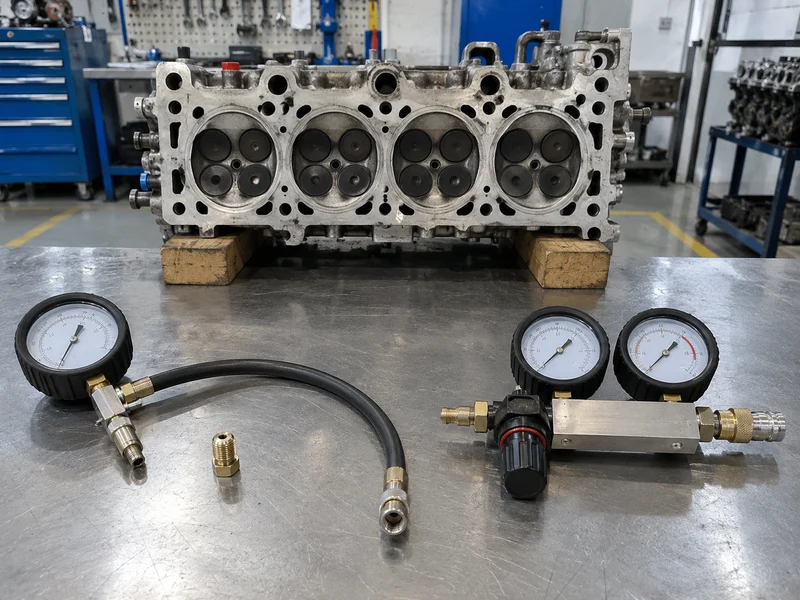
Use each tool to narrow a question, not declare a verdict.
- Record the test method, engine condition, adapter, and readings by cylinder.
- Use leak-down observations to guide the next inspection, not to name a failed part automatically.
- Compare cylinders only when the same procedure and tester setup apply.
- Verify a suspected cause with the appropriate follow-up checks.
Diagnostic question matrix
| Shop question | Useful first evidence | Possible follow-up |
|---|---|---|
| Does a cylinder build pressure while cranking? | Compression readings by cylinder | Repeat or follow engine procedure |
| Where might air escape from a weak cylinder? | Leak-down observations at ports or passages | Inspect the indicated system |
| Is a component conclusively failed? | No single gauge is enough | Confirm with service information and tests |
Recommend that buyers retain the vehicle-specific service procedure with any tester purchase.
3. What does a compression tester kit need to fit?
Compression testers connect through an engine port, so thread size, reach, seat type, and access matter. Gasoline kits commonly use spark-plug adapters; diesel test kits may connect through injector or glow-plug ports. No adapter list fits every engine. Buyers should compare the exact target engine range with the supplied adapters and the manufacturer’s application guide.
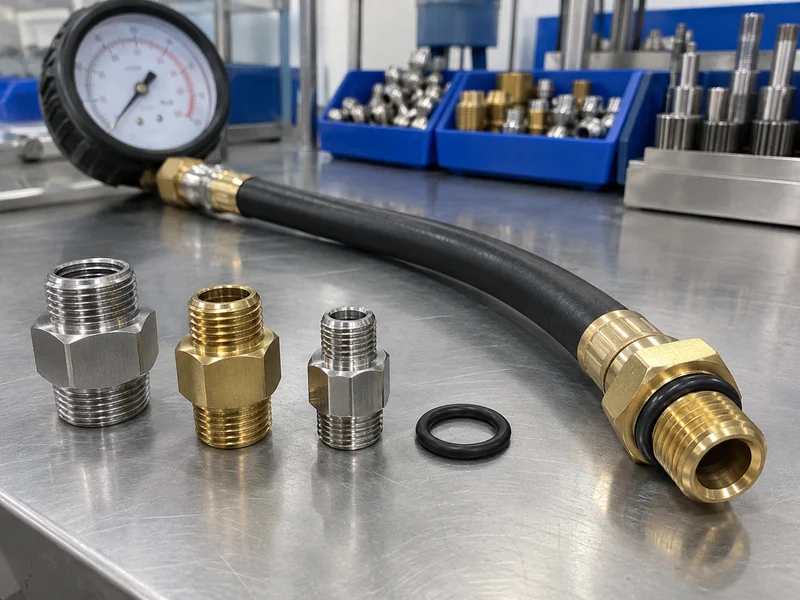
Fit the connection before comparing gauge features.
- Match thread diameter, pitch, reach, and seat type to the engine application.
- Check whether the kit includes a long-reach or deep-well adapter when required.
- Confirm whether instructions call for hand-tightening or another approved connection method.
- Review hose routing so it clears belts, fans, hot parts, and electrical hazards.
A spark-plug port may be one route for a gasoline test; it does not make every spark-plug adapter appropriate. The spark plug socket size guide can support related service-tool range planning, but tester adapters must still match their own specifications.
Compression-kit fit matrix
| Component | Match point | Evidence to request |
|---|---|---|
| Adapter | Port thread, reach, seat | Application chart and sample fit |
| Hose | Length, coupling, pressure use | Product specification |
| Gauge | Units and scale | Dial or display documentation |
| Case | Adapter organization | Full kit checklist |
Ask for an adapter-by-application list before selecting a compression tester SKU.
4. What does a leak-down tester kit need to include?
A leak-down setup needs a compatible adapter, air connection, regulator, gauges, and operating instructions for the model. Some designs show input pressure and retained cylinder pressure; other gauges present a calculated leakage value. Read the manual for how that tool’s scale works. Two testers can display different values when calibration, orifice design, air pressure, or procedure differs.
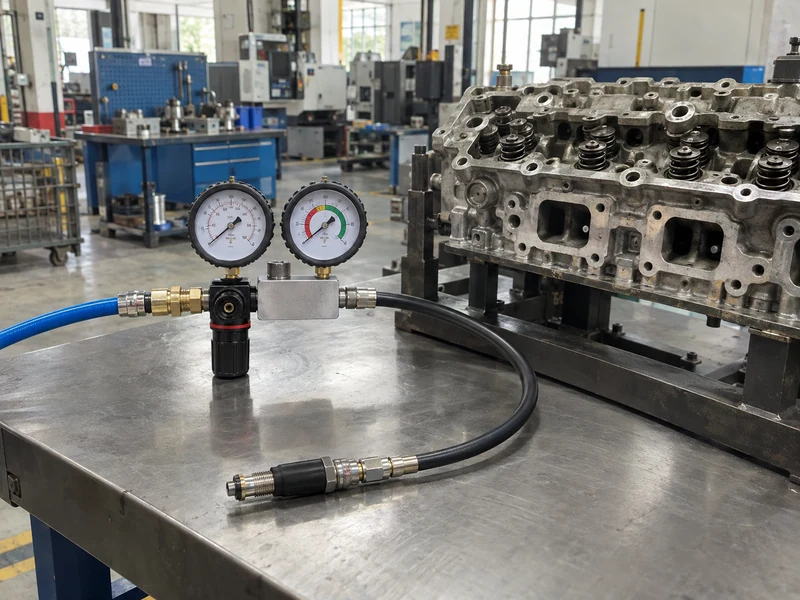
Stabilize the engine before admitting air.
- Confirm the engine is off and follow the service procedure for positioning the cylinder.
- Use the tester’s calibration instructions before connecting it to the cylinder.
- Apply air gradually while monitoring engine movement.
- Remove any crankshaft turning tools before applying air, as the service procedure directs.
A comparison sheet should distinguish dual-gauge, percentage-reading, and other layouts without claiming equivalent scales. The socket tools category helps buyers build adjacent drive-tool programs; leak-down adapters and hoses remain their own specified accessories.
Leak-down kit matrix
| Item | Why it matters | Verification |
|---|---|---|
| Air regulator | Controls input during setup | Manual and operation check |
| Gauge layout | Defines displayed reading | Scale explanation |
| Port adapter | Connects tester to engine | Thread and reach list |
| Hose and coupler | Routes air to cylinder | Connector and leak check |
Keep engine-position and pressure instructions tied to the exact tester and vehicle procedure.
5. Which tester should a shop buy first?
The right first purchase depends on service mix, diagnostic equipment already in the bay, air availability, and the engine platforms supported. A compression tester can serve an initial cranking-pressure check. A leak-down tester requires a regulated air source and an engine held in a specified position.
Match the kit to the bay’s repeat work.
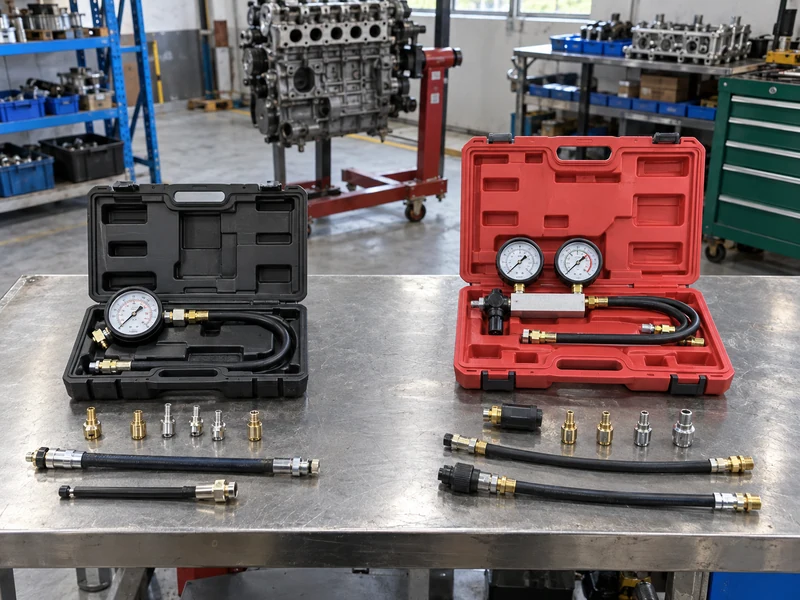
- Identify engine types and test ports in the customer’s service mix.
- Ask whether regulated shop air is available at the test location.
- Check whether the buyer needs portable kits or a dedicated diagnostic station.
- Compare adapter coverage and hose routing against representative engines.
- Confirm that staff can follow the supplied model-specific procedure.
Kolarwin’s mechanics tool set range can help frame how diagnostic tools sit beside broader workshop kits.
Purchase decision matrix
| Buyer condition | Likely starting point | Confirm before order |
|---|---|---|
| Needs pressure buildup during cranking | Compression tester | Engine port and cranking procedure |
| Needs stationary sealing evidence | Leak-down tester | Air supply, position, and scale |
| Supports mixed service work | Both or a combined diagnostic plan | Adapter coverage and instructions |
Ask customers about their engine mix before recommending a tester configuration.
6. What can leak-down observations tell a technician?
A low compression result with little measured leakage may also require another line of investigation. A cylinder may not be drawing or compressing air normally because of valve motion or other mechanical conditions. A vehicle-manufacturer technical tip cautions against treating leak-down percentage as universal because equipment differs. Compare cylinders with the same setup and follow applicable service guidance.
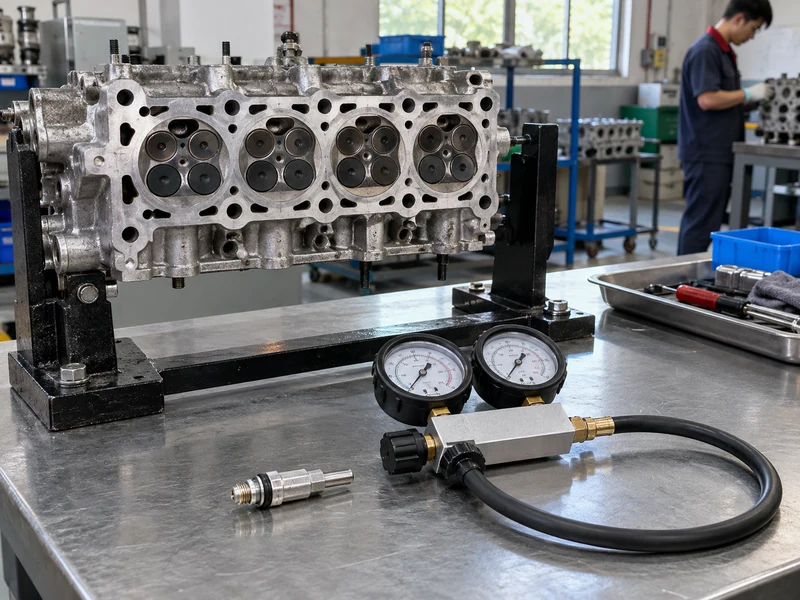
Treat the sound or bubble as a lead.
- Listen at the locations allowed by the service procedure.
- Compare cylinders using one calibrated tester and one method.
- Document where air is observed and under what conditions.
- Confirm suspected faults using the engine’s diagnostic sequence.
Distributors can support responsible use with clear instruction sheets and a service-information reminder. The auto mechanic tool guide places engine tools within a larger shop range without making a single tester sound conclusive.
Observation guide
| Observation | What it may suggest | Next step |
|---|---|---|
| Air at intake or exhaust | Possible valve-path leakage | Inspect per service procedure |
| Air at crankcase opening | Possible ring, piston, or bore path | Confirm with additional checks |
| Bubbles in coolant | Possible combustion-to-coolant path | Verify cooling-system test steps |
| Unexpectedly low leakage | Another cause may remain | Recheck setup and valve motion |
Include an observation guide, not a promise that a sound identifies one failed component.
7. Why do readings vary between tests?
A compression gauge records dynamic pressure buildup. A leak-down tester measures air loss through a tester-specific arrangement. Gauge design and calibration can shift displayed leakage. The service procedure may specify a maximum or acceptable range for one engine; that limit does not automatically apply to another engine or tester. Distributors should not publish a universal pass percentage unless a source establishes the exact scope.
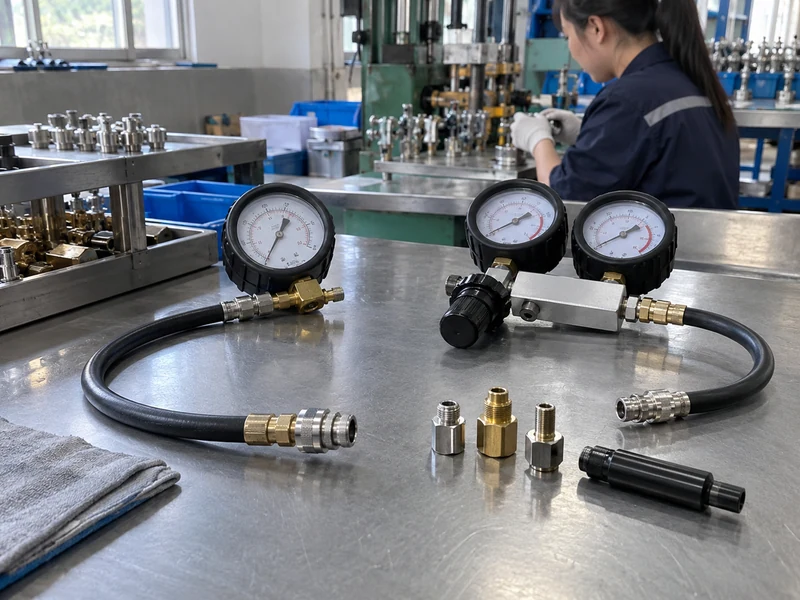
Standardize the setup before comparing numbers.
- Use one documented procedure across cylinders.
- Confirm adapter sealing and correct port selection.
- Record engine temperature and battery condition when required.
- Follow the tester’s calibration and regulator instructions.
This matters when a shop buys multiple kits for different locations. The industry solutions page gives distributors a place to assess broader maintenance-tool programs, while engine-specific test limits still belong in service data.
Result-control matrix
| Variable | Compression test | Leak-down test |
|---|---|---|
| Engine motion | Cranking speed affects pressure | Piston position affects sealing observation |
| Adapter seal | Can affect gauge buildup | Can leak at connection and distort reading |
| Tester design | Gauge and hose configuration | Orifice, regulator, gauge configuration |
| Limit values | Engine-specific | Engine- and equipment-specific |
Do not compare one tester’s displayed percentage with another tester’s scale without an approved method.
8. How should buyers compare gauge and adapter specifications?
A product page should list connection types, thread sizes, hose length, gauge units, display or dial format, regulator, couplers, adapters, case contents, and instruction availability. It should also explain whether readings are direct pressure, a pressure difference, or a displayed percentage. Buyers need those fields to compare two kits without assuming that similarly shaped gauges work the same way.
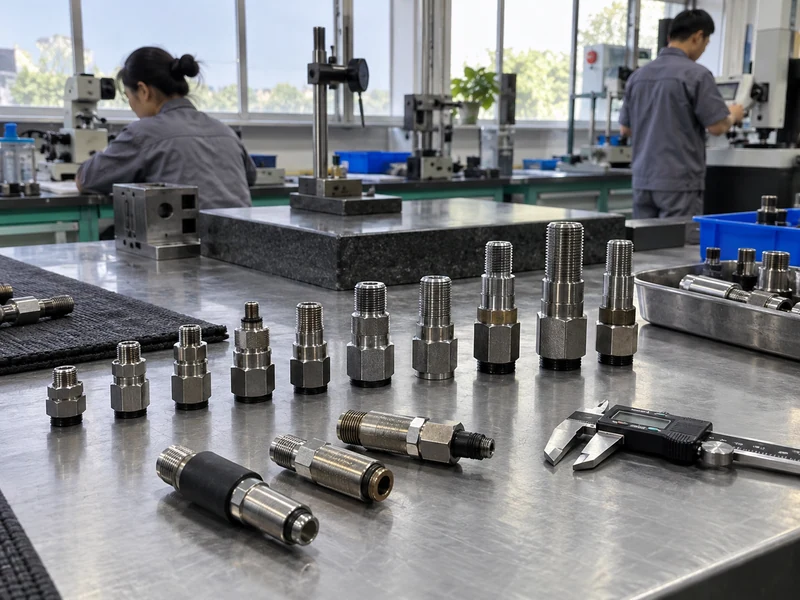
Request drawings or samples for threaded adapters and verify fit on representative engines. Check for adapter markings, secure storage, readable scales, repeatable gauge return, hose leaks, and release-valve function. For a leak-down product, ask how the operator calibrates or zeroes the tester and what air supply requirements apply. For a compression product, check gauge range and adapter reach against target applications.
Compare the complete measurement path.
- Record pressure units and scale type.
- Ask what adapters ship in the standard box and what costs extra.
- Verify instructions match the exact product revision.
- Keep any test limit linked to its vehicle and tester source.
A socket set product range is adjacent when a distributor is building a broader kit, but testing accessories should remain separately identified in the bill of materials.
Specification comparison
| Field | Compression tester | Leak-down tester |
|---|---|---|
| Connection | Engine port and hose | Air source, tester, engine adapter |
| Display | Pressure scale | Input/retained pressure or leakage scale |
| Fit items | Thread, reach, seat | Thread, reach, coupler, regulator |
| Instructions | Cranking and engine setup | Calibration and stationary-cylinder setup |
Ask the supplier to state what every gauge scale means before approving packaging copy.
9. What quality checks should distributors request?
Keep functional checks tied to the reading.
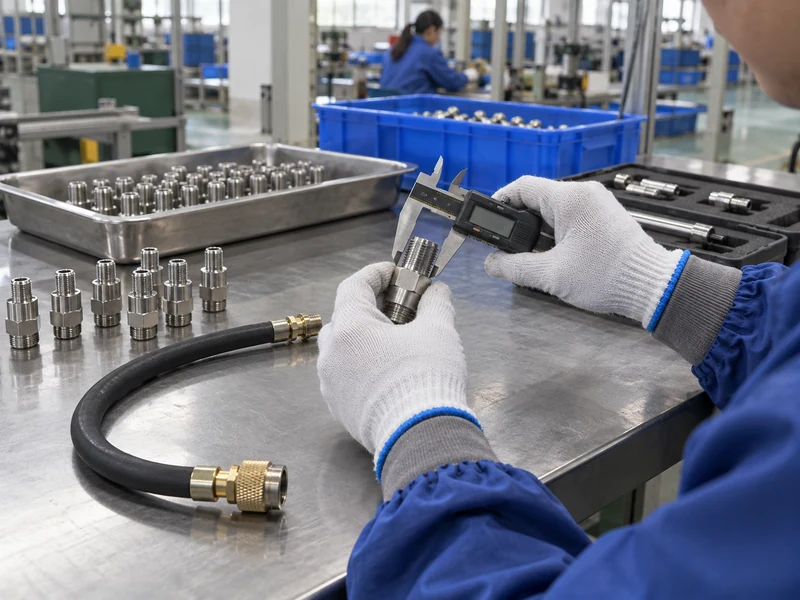
- Inspect threads, hose ends, seals, couplers, and adapter markings.
- Cycle valves and regulators through the specified operating range.
- Check gauge return and scale legibility against the supplier procedure.
- Verify all listed accessories and instructions are inside the case.
- Record sample, model revision, test method, and any corrective action.
Kolarwin’s complete mechanic tool list can help buyers place testers within a wider shop assortment. Add each diagnostic kit as a defined SKU with a controlled adapter list.
Incoming-QC matrix
| Check | Evidence | Record |
|---|---|---|
| Hose and coupler | Leak and connection check | Sample ID and method |
| Adapters | Thread, reach, marking | Included-part checklist |
| Gauge | Return and legibility | Reference check record |
| Regulator | Smooth adjustment and hold | Functional check |
| Instructions | Correct model and revision | Document revision |
Agree on the sample method before production approval and retain the inspection record with the SKU.
10. What should an engine-tester RFQ include?
An RFQ should identify which test the buyer wants and the engine applications the kit must serve. Include the test type, port adapters, hose reach, gauge format, scale units, regulator and coupler details, case layout, instruction language, replacement parts, and target packaging. Request model-specific documentation for calibration and operating limits.
Write the application into the specification.
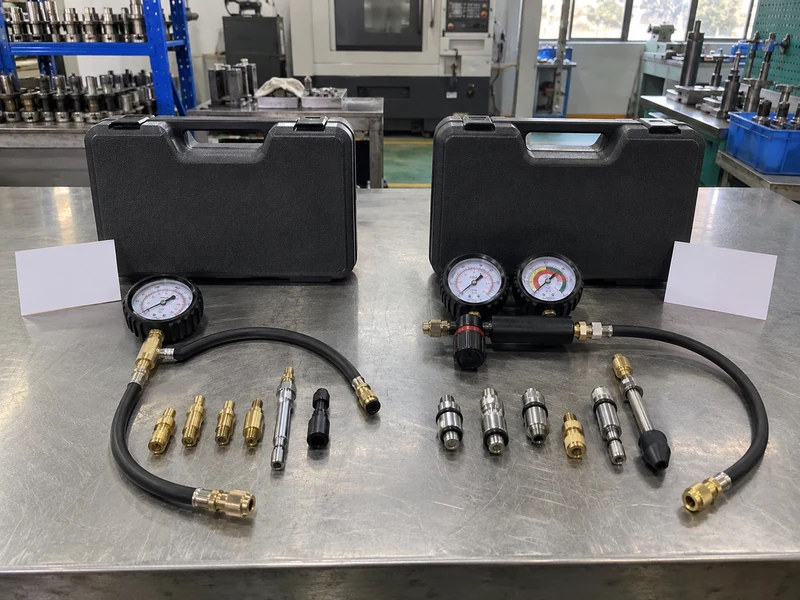
- Name gasoline, diesel, motorcycle, marine, or small-engine coverage only when supported.
- State the gauge units, scale method, and required air supply.
- Request sample fit checks and a function-inspection record.
The contact page provides the route for a product inquiry. Send target engines, adapter needs, quantity range, and package format so a supplier can answer with a defined configuration.
Q1: Does a compression test replace a leak-down test? No. They assess cylinder behavior under different conditions and answer different questions.
Q2: Does a leak-down percentage have one universal pass limit? No. Tester design and engine service data matter; use the correct manual and equipment instructions.
Q3: Can any compression adapter fit a spark-plug port? No. Thread, reach, seat, and application must match.
Q4: Can air pressure rotate an engine during leak-down testing? Yes. Incorrect piston position can allow crankshaft movement; follow service and tester procedures.
Q5: Should a distributor sell both testers as one kit? Only when the configuration and buyer applications support both, with clear separate instructions.
Looking for a reliable mechanic tools manufacturer in China?
If you are sourcing hand tools, socket tools, automotive repair tools, mechanic tool sets or OEM private label tools, contact KOLARWIN Tools for factory-direct quotation, customization support and product consultation.


