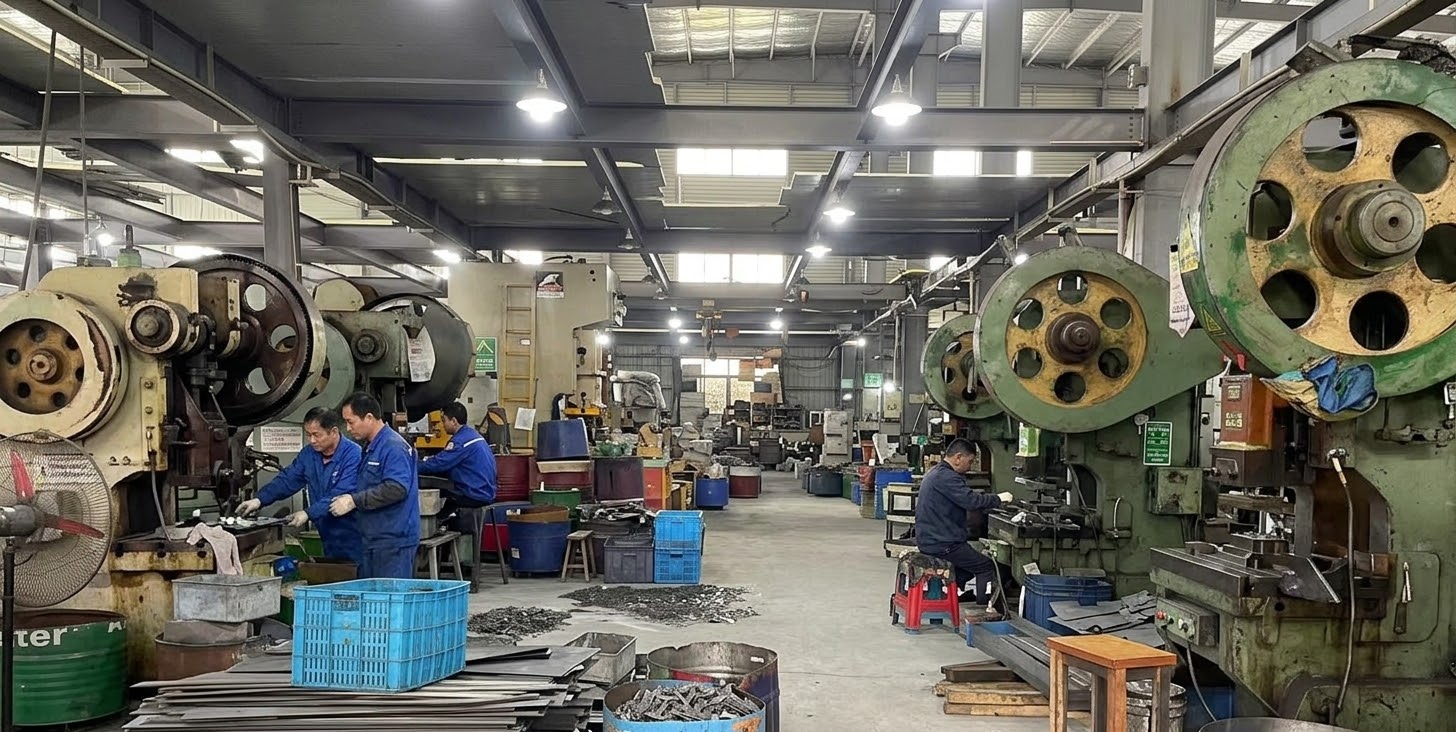
Need OEM supplier support for this product type?
Contact KOLARWIN Tools for OEM mechanic tools, private label packaging, wholesale quotation and product range support. This gives overseas buyers a clear path from article reading to supplier discussion.
Every professional shop knows the question never really goes away: which auto mechanic tools are actually worth buying, and where do you source them without paying a 300% brand premium?
A widely discussed thread in the mechanic community puts it plainly — premium brand trucks like Snap-on and Matco are impressive, but once you start pulling the curtain back, a surprising number of their products are manufactured elsewhere and rebranded under a premium label. One experienced technician noted that many tools from well-known truck brands are essentially the same products you can source at a fraction of the cost if you know where to look.
For professional shop owners, tool distributors, and OEM brand buyers, this insight is not just a curiosity — it is a sourcing strategy. This guide covers the complete auto mechanic tools must-have list for 2026, the real performance criteria behind each category, and how forward-thinking buyers are building private-label tool lines that compete on quality without the retail markup.
1. Socket Sets: The Non-Negotiable Foundation of Every Mechanic Toolbox
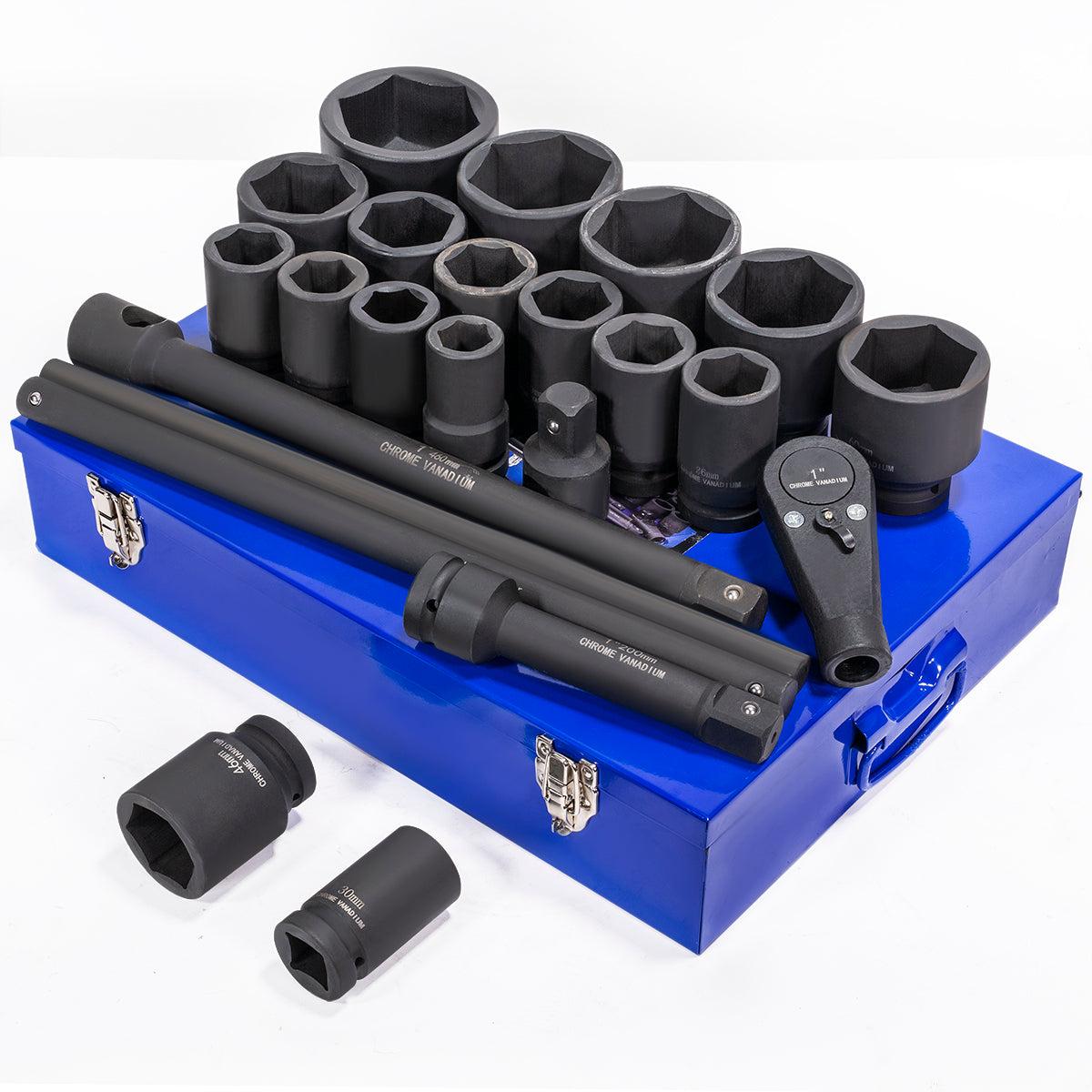
No category appears more consistently at the top of every mechanic must-have list than socket sets — and for good reason. A quality socket set is the single highest-utilization tool category in any automotive or industrial shop, used on nearly every repair job from wheel lug nuts to engine internals.
What a Professional Socket Set Must Include
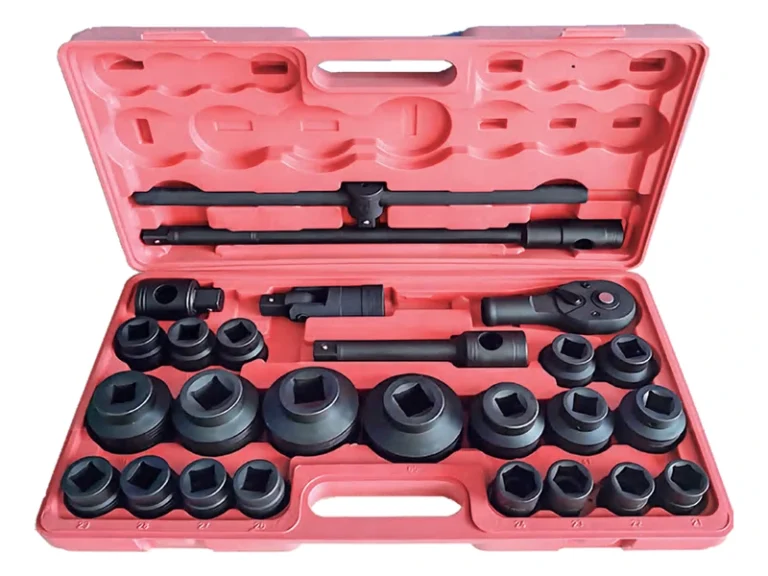
A professional-grade socket set in 2026 covers three drive sizes — 1/4″, 3/8″, and 1/2″ — in both SAE and metric measurements, with both standard and deep-well variants across the full size range. A set that covers this range typically runs between 72 and 120 pieces, depending on whether it includes accessories like extensions and universal joints.
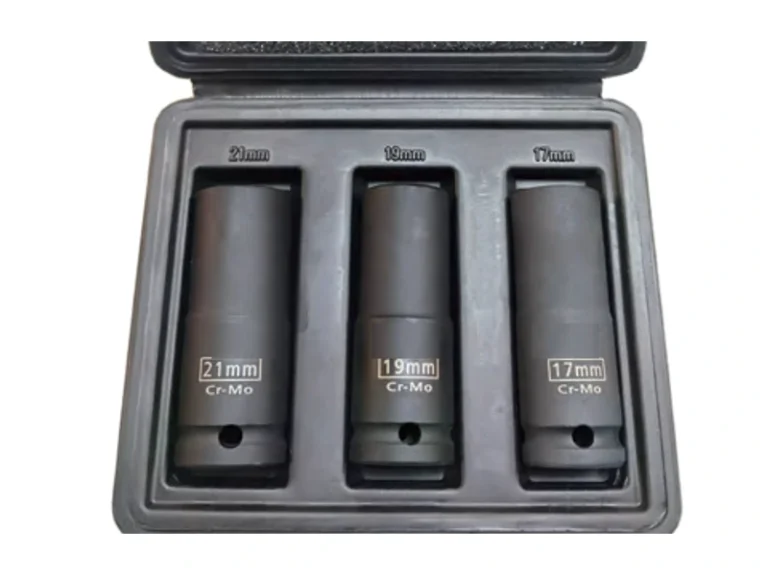
The critical spec buyers and shop owners often overlook is material and heat treatment. Professional impact sockets require chrome-molybdenum (Cr-Mo) steel hardened to 38–45 HRC, while hand-use chrome sockets use chrome-vanadium (Cr-V). Any reputable socket set will specify both alloy grade and hardness range — and any manufacturer that cannot confirm these parameters in writing should not be on your approved supplier list.
Impact Sockets vs. Standard Chrome Sockets: Why the Distinction Is Critical
One of the most persistent safety issues in professional shops is using chrome-plated hand sockets on impact wrenches. Chrome-vanadium sockets are engineered for hand torque — when subjected to the percussive shock of a pneumatic or cordless impact wrench, they can shatter and send metal fragments in all directions at dangerous speed.
Impact-rated sockets (black oxide, Cr-Mo) are engineered to fail safely — if overloaded, they deform visibly rather than fracturing. This is not a marketing distinction; it is a fundamental safety engineering difference. Any shop running impact wrenches needs a dedicated impact socket set separate from its chrome hand sockets, and any distributor stocking a complete mechanic tool line needs to carry both.
Key Socket Specifications for Procurement
When evaluating socket sets for OEM or wholesale purchase, these are the specifications that separate quality manufacturing from commodity production:
- Drive size coverage: 1/4″, 3/8″, 1/2″ (and 3/4″ for heavy-duty lines)
- Point configuration: 6-point for maximum torque transfer without rounding; 12-point for positional flexibility
- Depth range: Standard, deep-well, and extra-deep in the same set
- Material: Cr-Mo for impact; Cr-V for hand-use chrome
- Hardness: 38–45 HRC for impact sockets; 35–42 HRC for hand-use
- Finish: Black oxide (impact), chrome-plated (hand-use), phosphate for industrial variants
- Markings: Stamped size and drive designation on every piece
A manufacturer that delivers all seven of these parameters consistently, batch after batch, is the foundation of a reliable private-label socket program.
2. Wrenches: Combination, Ratcheting, Torque, and Specialty
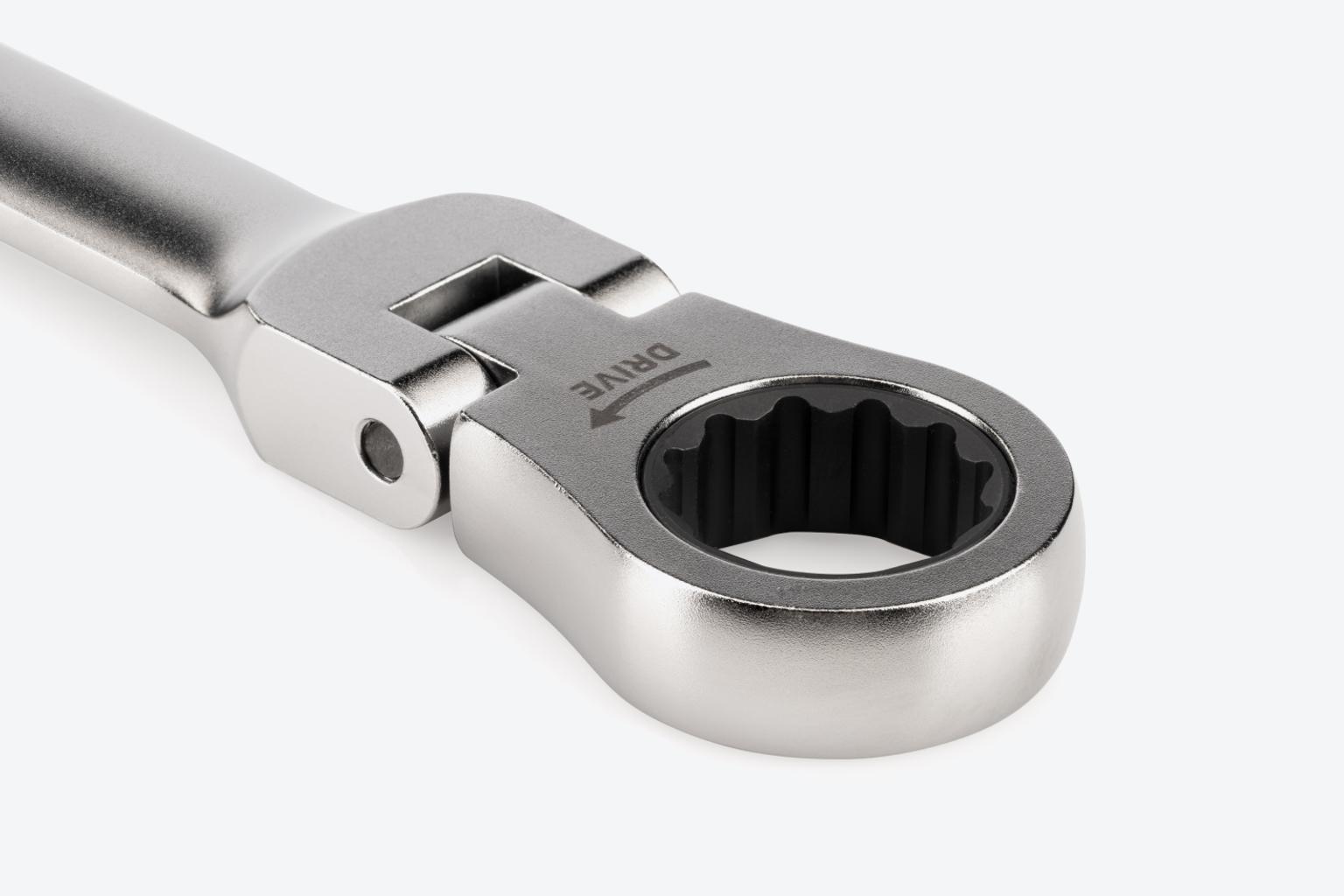
Wrenches are the second pillar of any complete mechanic tools list — and the category with the most meaningful differentiation between basic and professional quality.
Combination Wrenches
A combination wrench — open end on one side, box end on the other — is the most universally used hand tool across automotive, construction, and industrial maintenance work. Professional-grade combination wrenches in chrome-vanadium steel, with a polished finish and offset box-end profile for knuckle clearance, handle the bulk of fastener work in any shop.
A complete combination wrench set covers 8mm through 24mm in metric and 3/8″ through 1″ in SAE. Ratcheting combination wrenches — with a fine-tooth ratcheting mechanism built into the box end — add significant value for confined-space work where swing arc is limited, and they command premium shelf pricing in wholesale and retail channels.
Torque Wrenches
A calibrated click-type torque wrench is not optional for professional automotive repair — it is a liability management tool. Wheel lug nuts, cylinder head bolts, suspension control arm hardware, and brake caliper mounting bolts all carry manufacturer torque specifications that must be met for safety. An uncalibrated torque wrench is arguably more dangerous than no torque wrench, because it creates false confidence in fastener security.
In 2026, digital torque wrenches with torque-plus-angle measurement are becoming standard for EV and ADAS vehicle service, where angular fastening methodology is specified alongside torque values. Distributors building a professional automotive tool catalog need click-type as the baseline and digital torque-angle as the premium tier.
Adjustable Wrenches and Specialty Formats
Adjustable wrenches (crescent wrenches) remain essential as a backup for non-standard fastener sizes and field repairs. Pipe wrenches are standard equipment for suspension component work and any plumbing-adjacent repair. Flex-head ratcheting wrenches — which allow the box end to pivot up to 180° — are among the highest-value additions to any professional wrench line.
3. Ratchets and Drive Accessories: Where Professionals Spend Real Money
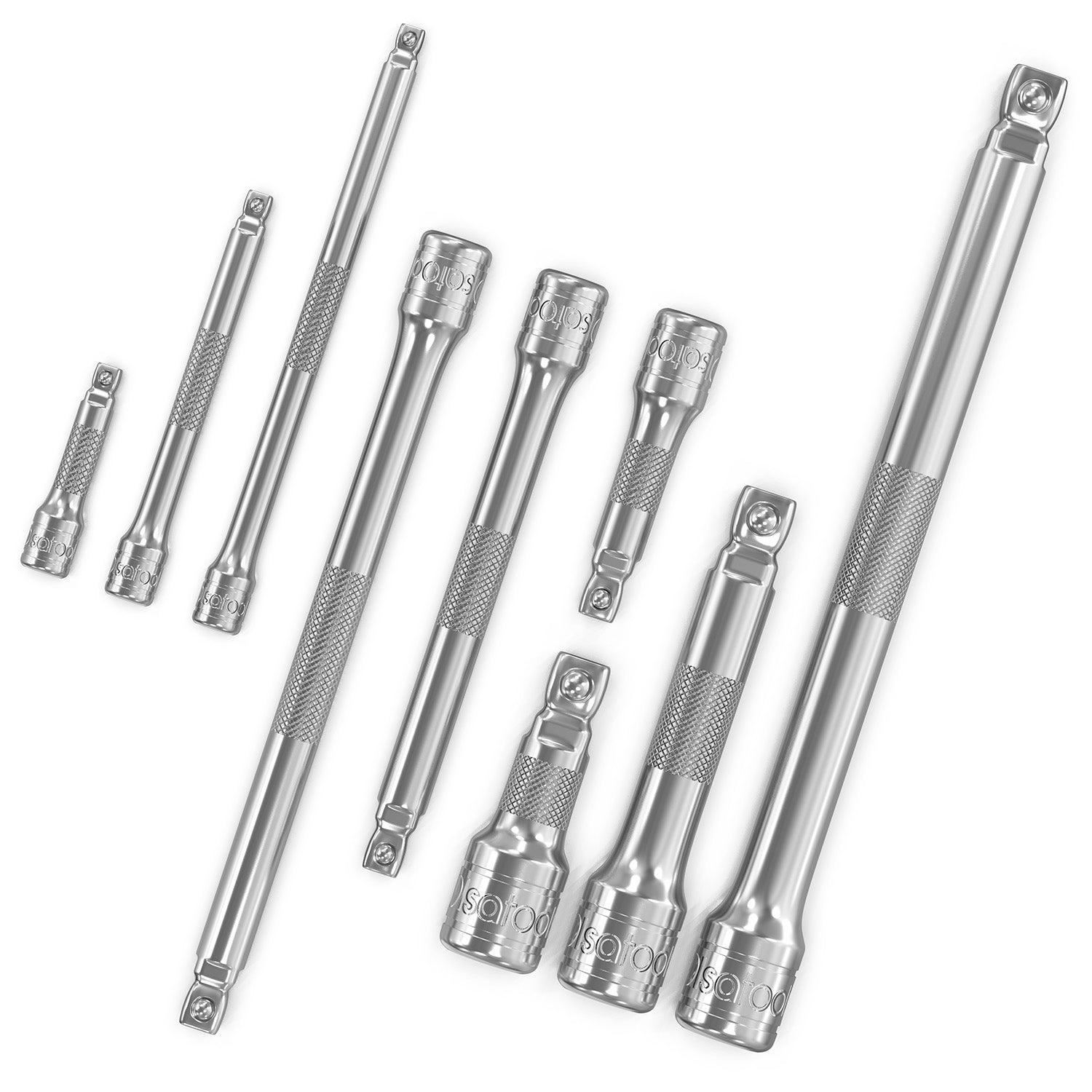
If you follow the mechanic community’s buying behavior, one pattern becomes very clear: experienced professionals spend disproportionately on ratchets, wrenches, and drive accessories because these are the tools they hold for hours every day.
Tooth Count and What It Actually Means
Ratchet tooth count controls arc swing — the minimum arc the ratchet requires to advance one tooth. A 36-tooth ratchet requires 10° of swing per click; a 72-tooth requires 5°; a 90-tooth requires 4°. In a confined engine bay where your wrist can only move 3–4°, a fine-tooth ratchet is the difference between getting the job done and reaching for an extension.
Industry professionals consistently cite 72-tooth as the effective minimum for professional shop use. Ratchets above 90 teeth deliver marginal additional access improvement while the smaller, weaker teeth increase the risk of ratchet head failure under heavy load — a trade-off worth understanding when building a product spec.
Extensions, Wobble Extensions, and Universal Joints
No socket system is complete without a matched extension set. Professional shops need extensions in 1″, 3″, 6″, and 10″ lengths across 3/8″ and 1/2″ drive — paired with wobble extensions for off-axis access and universal joints (U-joints) for angular fastener work. These accessories are frequently purchased as upgrades and replacements, making them a strong recurring revenue category for distributors.
4. Impact Tools: Performance Wrenches and the Source of Your Sockets
Impact wrenches — pneumatic, cordless brushless, and corded electric — are the productivity backbone of any professional automotive workshop. A 1/2″ drive pneumatic impact wrench operating at 700+ ft-lbs makes light work of seized lug nuts, suspension fasteners, and any high-torque application that would take minutes by hand.
In 2026, the cordless brushless impact wrench has become the preferred format for mobile and multi-bay shops — brushless motors deliver longer battery life, higher torque output, and significantly reduced heat generation compared to brushed predecessors. The 18V and 20V platforms from major power tool brands have made corded compressor tethering optional rather than mandatory for most shop impact applications.
Matching Your Impact Socket Source to Your Wrench Spec
The key procurement decision when building an impact tool program is sourcing sockets that are specifically engineered for the torque output of the wrenches you are supplying. A 3/4″ drive impact wrench delivering 1,200 ft-lbs requires sockets with Cr-Mo wall thickness and heat treatment validated for that load range — not the minimum-spec socket that happens to fit the drive.
Working directly with an impact socket factory that can specify alloy grade, wall thickness, and hardness per drive size and torque rating gives distributors the technical documentation they need to match socket specs to wrench performance — and to defend product quality to industrial and commercial buyers who ask for it.
5. Screwdrivers, Pliers, and Cutting Tools: The Daily Workhorses
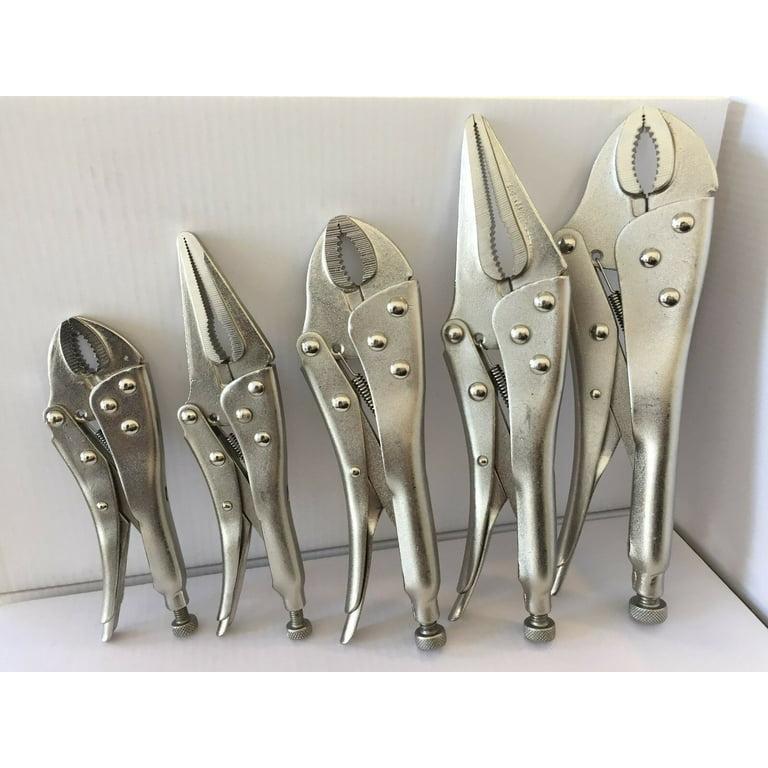
These are the tools mechanics reach for dozens of times per day — and the categories where quality differentiation is most visible in daily use.
Screwdrivers
Modern vehicles demand screwdriver coverage across Phillips (#1–#3), flathead (stubby through long-reach), Torx (T20–T55), and JIS for Japanese-market models. A professional mechanic screwdriver set in chrome-vanadium with ergonomic multi-material handles covers everyday repair use; a precision screwdriver set with smaller-diameter tips handles ECU access panels, sensor connectors, and interior trim work on modern electronics-heavy vehicles.
Magnetic tips — which hold the fastener to the tip during placement — have moved from a premium feature to a baseline expectation on professional-grade sets. Any screwdriver line positioned above entry level should include them as standard.
Pliers
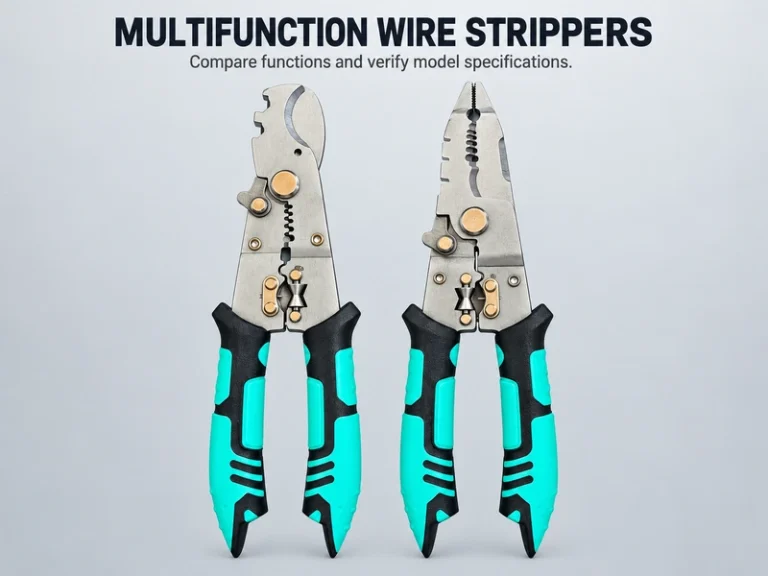
Professional automotive plier sets cover needle-nose, locking (Vise-Grip style), snap-ring (internal and external, interchangeable tips), hose clamp, and wire stripper/cutter in a minimum 6–8 piece set. Drop-forged construction in chrome-vanadium steel is the expected material specification at professional grade.
The plier category most frequently missing from incomplete mechanic tools lists is snap-ring pliers — yet these are among the highest-damage-risk tools when improvised. An expandable tip snap-ring set covering both internal and external retaining ring applications is a high-margin, high-utility addition to any complete mechanic tool lineup.
Cutting Tools and Pry Bars
Hacksaws (bi-metal blades), bolt cutters, and oscillating multi-tools handle cutting across suspension hardware, exhaust systems, and body panel work. Pry bars — which were the starting point of the Quora discussion that prompted this guide — are used constantly for tire mounting, panel removal, component separation, and leverage work throughout every repair scenario.
Quality pry bars in drop-forged alloy steel, with appropriate tip geometry for both flat and angled access, represent exactly the kind of product category where the gap between a $15 sourced option and a $60 premium branded option has narrowed considerably — as experienced mechanics openly acknowledge.
6. Specialty and Diagnostic Tools: The 2026 Additions Every Shop Needs
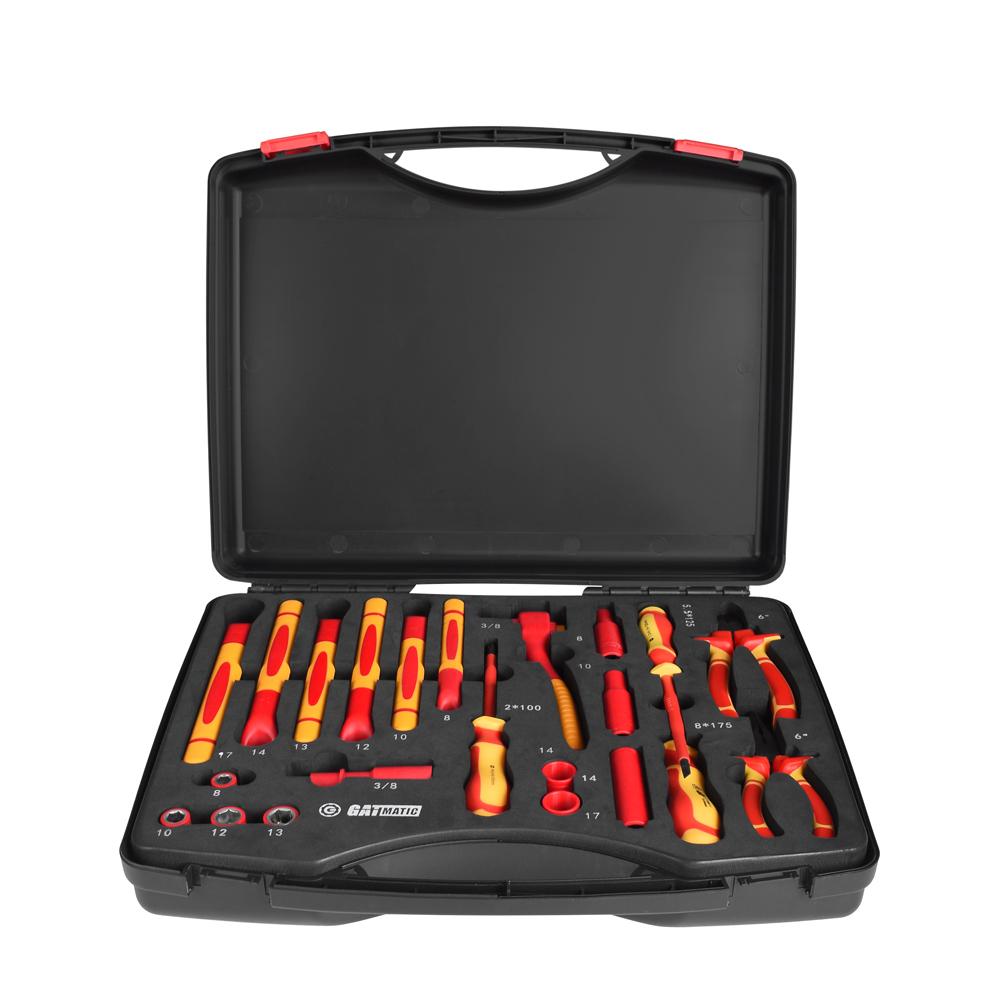
The 2026 version of any mechanic tools must-have list looks significantly different from what it would have been a decade ago, because modern vehicles have fundamentally changed what “complete diagnostic capability” means.
OBD-II Diagnostic Scanners
Every vehicle sold globally after 1996 is OBD-II compliant, meaning a scan tool can read standardized diagnostic trouble codes (DTCs) across all makes and models. What has changed is the depth of access: basic code readers report DTCs; mid-tier scanners read live PID data and reset service intervals; professional bidirectional scanners command actuators, perform active tests, and support limited ECU programming.
By 2026, Bluetooth-enabled scan tools with cloud-based software update subscriptions are the standard for independent shops. The ability to monitor real-time engine parameters on a tablet or phone while the vehicle is running has made remote-screen diagnostics practical in a way wired scan tools never were.
Digital Multimeters and Electrical Testing
Electrical diagnostic capability is no longer optional with the widespread adoption of hybrid and battery-electric vehicles. A True RMS digital multimeter with CAT III 600V safety rating, MIN/MAX hold for intermittent fault capture, and a frequency measurement function covers the majority of automotive electrical diagnostic work.
Technicians working on EVs and hybrids additionally need insulated tool sets rated for high-voltage systems, and this is a specialized product category growing rapidly in both professional and wholesale tool markets.
Specialty Mechanical Tools
Spring compressors, bearing pullers, slide hammers, timing and cam locking kits, and harmonic balancer pullers are the specialty tools that separate a shop capable of handling the full range of repair jobs from one that sub-contracts or turns away certain work. These tools are used infrequently but are non-negotiable when needed — and improvising on spring compressors or timing tools carries genuine safety and engine-destruction risk.
7. What Professional Mechanics Actually Think About Tool Brands
The Quora discussion that inspired this guide surfaces a truth that experienced mechanics know well: brand prestige and manufacturing origin are not the same thing.
Premium truck brands have built powerful reputations through decades of marketing, warranty programs, and the social currency of having the right tool truck stop at your shop. But a significant portion of what those brands sell is manufactured by third-party factories and rebranded — a fact that experienced mechanics discuss openly in forums and community threads.
One mechanic with over 30 years of experience summarized it clearly: tools from Asian manufacturers have improved substantially in quality and finish over the past decade, and the performance gap between premium branded tools and well-specified alternatives has narrowed to the point where many professionals build mixed collections — spending on brand names only for the specific categories where the manufacturing advantage is most defensible (ratchet mechanism precision, wrench wall thickness), and sourcing everything else on quality and value.
This is exactly the market dynamic that creates the OEM opportunity explored below.
8. The OEM Opportunity: Building Your Own Professional Mechanic Tool Brand
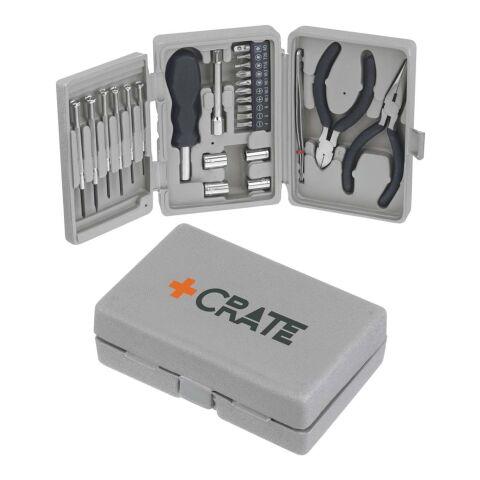
The mechanics who discuss tool brands on forums are also the end users in the supply chain that distributors, wholesalers, and tool brand owners serve. And the message they consistently send is that quality, documentation, and performance are what they pay for — not which name is on the packaging.
For any business that distributes, retails, or manages fleet purchasing of professional mechanic tools, this creates a clear commercial opportunity: sourcing a private-label or OEM mechanic tool line from a verified manufacturer delivers better margins, full specification control, and brand differentiation — without the premium cost structure that truck brands pass through to their end customers.
What OEM Sourcing from a Tool Manufacturer Looks Like
An OEM mechanic tool program with a manufacturer like Kolarwin Tools covers the full workflow from specification to shelf:
1. Product Specification and Line Planning You define the tool categories, drive sizes, piece counts, and market positioning for your line. The factory provides engineering input on alloy selection, finishing options, set configuration, and packaging — drawing on production data from existing commercial programs across 60+ export markets.
2. Private Label and Branding Every tool in the set carries your brand identity: laser-engraved logos on socket bodies, ratchet handles, and wrench shanks; color-coded foam inserts in your brand palette; retail packaging designed to your specification. Your brand — not the factory’s — is what the end customer sees and purchases.
3. Material and QC Documentation A professional OEM program provides Material Test Reports (MTRs) confirming alloy composition, Rockwell hardness test certificates per production batch, and dimensional inspection reports with every sample approval. This documentation is what separates a sourcing program that holds up to trade buyer scrutiny from one that does not.
4. Flexible MOQ and Sample Program First-order minimum quantities for established product configurations typically start at 300–500 pieces per SKU. Samples — with your logo applied — are available before any bulk order commitment, so you can evaluate quality and presentation against your market standard before placing volume.
5. Ongoing Supply Reliability A factory serving export markets across Europe, the Americas, Middle East, and Asia-Pacific has the production capacity, logistics experience, and compliance documentation to support ongoing supply programs — not just one-time orders.
9. The Complete Auto Mechanic Tools Must-Have List for 2026
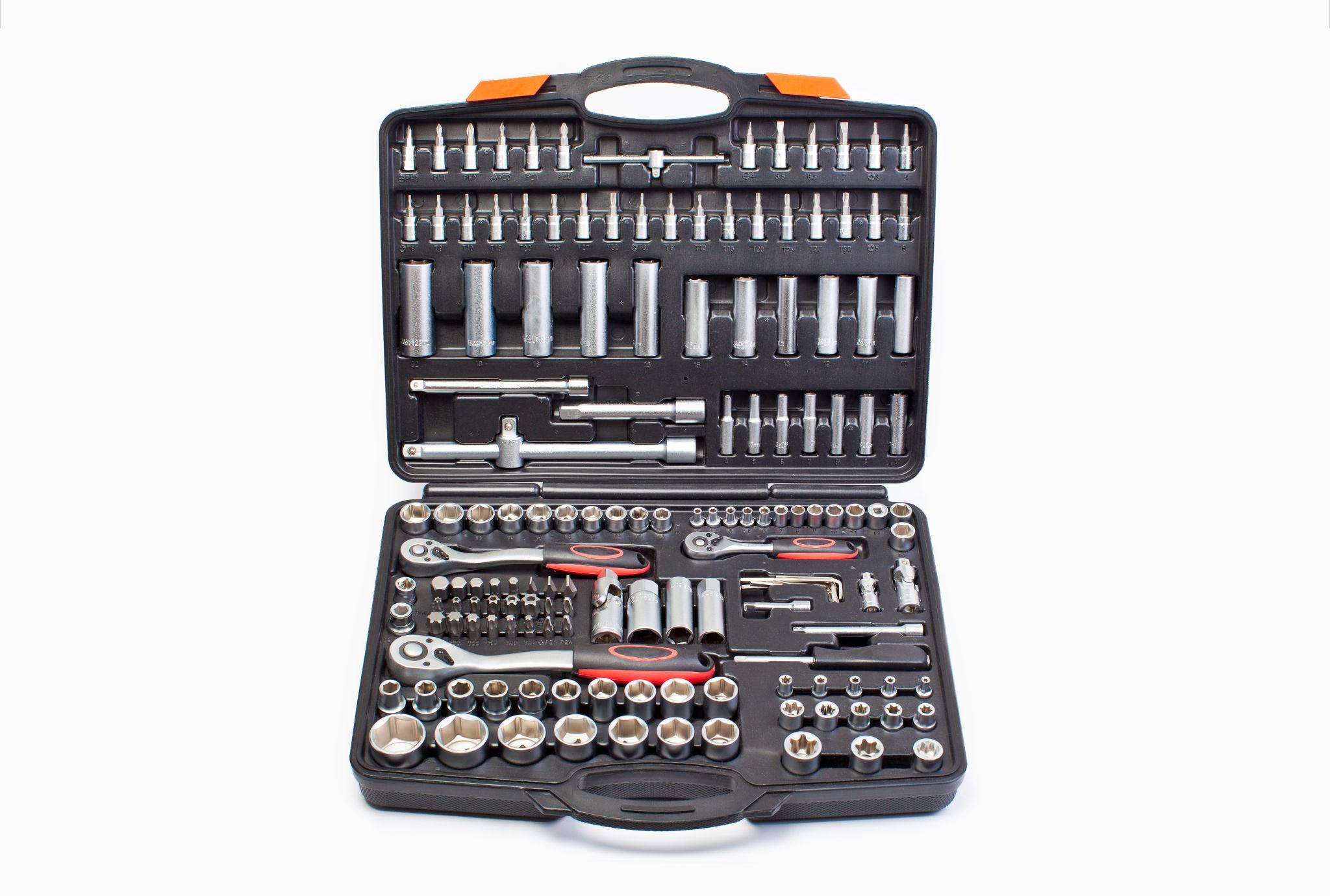
For reference, here is the consolidated mechanic tools list covering every category discussed above — organized by priority tier for both shop owners building their toolbox and buyers building a product catalog.
Tier 1 — Immediate Foundation (Every Shop, Every Day)
| Tool Category | Specification Baseline | Primary Application |
|---|---|---|
| Socket set (SAE + metric) | Cr-V hand-use; Cr-Mo impact | Fastening and loosening — all vehicle systems |
| Impact sockets | Cr-Mo, black oxide, 38–45 HRC | Impact wrench applications |
| Combination wrenches | Cr-V, polished, 8–24mm + SAE | Open and box-end fastener work |
| Ratchet set (3 drives) | 72-tooth minimum | Socket drive for engine, chassis, body |
| Extensions and U-joints | 3/8″ and 1/2″ drive set | Reach and angular access |
| Screwdriver set | Cr-V, magnetic tips, multi-type | Panel, sensor, and trim fasteners |
| Plier set (6–8 piece) | Drop-forged Cr-V | Gripping, clamping, wire work |
Tier 2 — Professional Capability (Add Within 90 Days)
| Tool Category | Specification Baseline | Primary Application |
|---|---|---|
| Impact wrench | Pneumatic or 18V+ cordless brushless | High-torque fastener removal/installation |
| Click-type torque wrench | 1/2″ drive, ±4% accuracy, 20–250 ft-lbs | Safety-critical fastener torquing |
| Ratcheting combination wrenches | Cr-V, fine-tooth mechanism | Confined-space fastener work |
| Pry bar set | Drop-forged alloy, flat and angled tips | Separation, leverage, tire mounting |
| Oil filter wrench set | Multi-size coverage | Engine service |
| Snap-ring plier set | Internal + external, interchangeable tips | Retaining ring removal/installation |
Tier 3 — Full Professional Setup (Within 6 Months)
| Tool Category | Specification Baseline | Primary Application |
|---|---|---|
| OBD-II bidirectional scanner | Bluetooth, cloud-updated software | Electronic fault diagnosis |
| Digital multimeter (True RMS) | CAT III 600V, MIN/MAX hold | Electrical system diagnostics |
| Compression and leak-down tester | 0–300 PSI dual-gauge | Mechanical engine health assessment |
| Bearing puller set (3-jaw) | 3-jaw + slide hammer | Hub, bearing, gear, and pulley removal |
| Spring compressor (rated) | Fork-style with safety retention | Suspension coil spring service |
| Timing/cam locking kit | Adjustable pins + flywheel holder | Timing belt and chain service |
Tier 4 — Specialty and Advanced Tools (As Needed)
| Tool Category | Primary Application |
|---|---|
| Digital torque-angle wrench | EV/ADAS torque-plus-angle fastening |
| Vehicle-specific timing kits | Model-specific cam and crank locking |
| High-voltage insulated tool set | HV hybrid and BEV system service |
| Oscilloscope (automotive) | Advanced electrical waveform analysis |
| Alignment and geometry tools | Steering and suspension setup |
10. How to Start Your OEM Mechanic Tool Program
If you are a tool distributor, wholesale buyer, or brand owner evaluating the OEM sourcing opportunity for a professional mechanic tool line, the starting point is straightforward.
The most important decision is supplier selection — and the criteria are not complicated: a manufacturer that specifies alloys by grade, provides heat treatment documentation, delivers samples within 14–21 days, and has a documented export track record across multiple international markets is the right partner. A factory that resists material documentation requests or cannot confirm its alloy supply chain is not.
Kolarwin Tools manufactures mechanics tool sets, impact sockets, socket sets, and automotive repair tools from our Dongguan facility — exported to distributors, wholesalers, and OEM brand owners across 60+ countries. Our production covers Cr-Mo and Cr-V alloy hand tools and socket systems, full private label services including laser engraving and retail packaging, and a 5-step quality control program from raw material intake through final pre-shipment inspection.
We understand that the brands our customers build are what their customers trust — and that our job is to make every product in that program worthy of that trust, batch after batch.
Conclusion: The Right Tools, the Right Source, the Right Partner
The complete auto mechanic tools must-have list for 2026 has not changed at its core — socket sets, wrenches, ratchets, impact tools, pliers, and screwdrivers remain the foundation of every professional shop toolkit. What has changed is how informed buyers are sourcing them, how much quality documentation they expect, and how much brand premium they are willing to pass through to their end customers.
The mechanics who debate tool brands online are telling you something directly useful: quality-specified, properly documented tools command professional respect, regardless of which brand name is on the handle. That is the commercial foundation of every successful OEM mechanic tool program.
If you are ready to discuss building a private-label mechanic tool line — or sourcing a specific tool category at volume — we are ready to respond within 24 hours. Contact us today with your product requirements, target market, and quantity expectations, and our sales and engineering team will put together a concrete proposal.
Kolarwin Tools — Professional Hand Tools, Manufactured Right, for the Brands That Count.
Looking for a reliable mechanic tools manufacturer in China?
If you are sourcing hand tools, socket tools, automotive repair tools, mechanic tool sets or OEM private label tools, contact KOLARWIN Tools for factory-direct quotation, customization support and product consultation.