
Home/Blog/ What Are 8-Point Sockets Used For? A Buyer Guide

What Are 8-Point Sockets Used For? A Buyer Guide

Get OEM Tool Catalog + Quote Back to Tool Sourcing Blog
Bi-square socket viewed toward its eight-point fastener opening
This KOLARWIN Tools article is written for overseas distributors, wholesalers, importers and private label tool brands sourcing mechanic tools, automotive repair tools, socket tools, hand tools and OEM tool sets from China. Use this guide to compare product options, check supplier quality points and move from reading to a faster B2B inquiry.

Need OEM supplier support for this product type?

Contact KOLARWIN Tools for OEM mechanic tools, private label packaging, wholesale quotation and product range support. This gives overseas buyers a clear path from article reading to supplier discussion.

An 8-point socket is used to engage compatible square fasteners, although fit depends on the exact profile and dimensions. Buyers should confirm fastener geometry, drive size, clearance, and intended use before adding a SKU to a range. The supplied catalogue lists certain bi-square sockets as impact sockets; that listing does not establish a universal impact rating or compatibility. Compare impact socket options and the broader socket tools range.

1. What does “8-point” mean on a socket?

An 8-point socket has a bi-square recess formed by two square orientations offset by 45 degrees, creating eight engagement points. “Point” describes profile vertices; it does not mean the opening has eight flats. The catalogue calls its profile “Bi Square” and separately lists rectangular impact sockets. Those are distinct profiles. A matching square-fastener profile must be verified by size, shape, and seating depth.
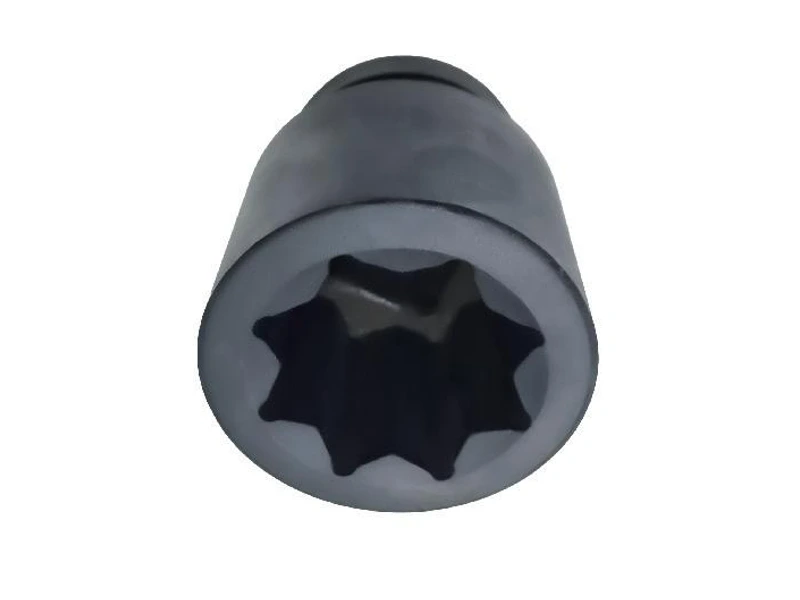
Bi-square socket viewed toward its eight-point fastener opening
Supplier catalogue photo of a bi-square socket and its fastener opening.

That geometric description does not establish fit for every square nut, plug, or fitting. Nominal width, corner radius, depth, and tolerances still govern engagement. Impact use adds another condition: both socket and accessory must be intended for powered impact service, and the drive must match the tool.

  • Confirm whether the fastener has a square external form or another special shape.
  • Measure across flats and check corner shape against a drawing or physical sample.
  • Confirm the socket’s drive interface and intended powered-tool use.

Here’s the practical distinction: point count describes the fastener opening, not the square drive that connects the socket to an impact wrench. Before listing an item, write both interfaces in the specification. See impact sockets by application for the related product family.

Decision table: identify each interface

Specification field What it describes Buyer check
Fastener profile Internal opening that grips fastener Confirm square or other special form
Fastener size Nominal dimension at engagement flats Match drawing or sample
Socket drive Square recess at socket base Match wrench anvil or approved adapter
Socket length Overall reach and clearance Check access around the assembly

2. Which fasteners may call for an 8-point profile?

An 8-point profile belongs in a range when customers service square fasteners or square-headed components. The precise end use varies by market and equipment; the catalogue alone does not identify an application list. Ask target workshops or distributors which fasteners they encounter, then match the request to a drawing or physical sample.
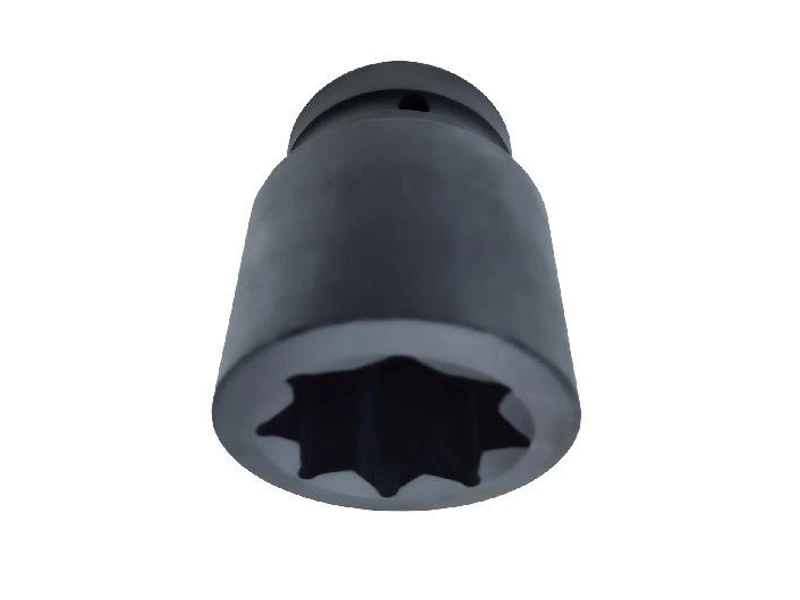
Bi-square socket body and eight-point fastener opening
Supplier catalogue photo of a bi-square socket body and opening.

Do not infer compatibility from a photo that merely looks square. Some fittings use tapered walls, recessed shoulders, or nonstandard dimensions. A socket that sits loosely may round corners under load, while a socket that stops high may contact only the fastener’s edge.

  • Collect the fastener’s across-flats dimension and corner radius.
  • Ask whether a fastener drawing defines tolerances or a required engagement depth.
  • Record any nearby obstruction that limits socket outside diameter or length.

For a clean RFQ, attach a measured drawing and one representative sample when possible. Then ask the supplier to confirm profile, size, and seating depth before sampling. Buyers comparing adjacent kit formats can review socket sets for wholesale programs.

Decision table: application evidence

Evidence provided What it can establish Remaining check
Product photo Approximate visible form Dimensions and tolerances
Across-flats measurement Nominal size Corner radius and depth
Engineering drawing Defined geometry and limits Sample fit and tool clearance
Physical fastener sample Real mating condition Confirm representative production part

3. How is an 8-point socket different from a 6-point socket?

An 8-point bi-square recess is formed by two square orientations offset by 45 degrees, creating eight engagement points for a matching square fastener. A 6-point socket is designed for a hexagonal head and should not be assumed to fit a square fastener because its nominal size appears close.
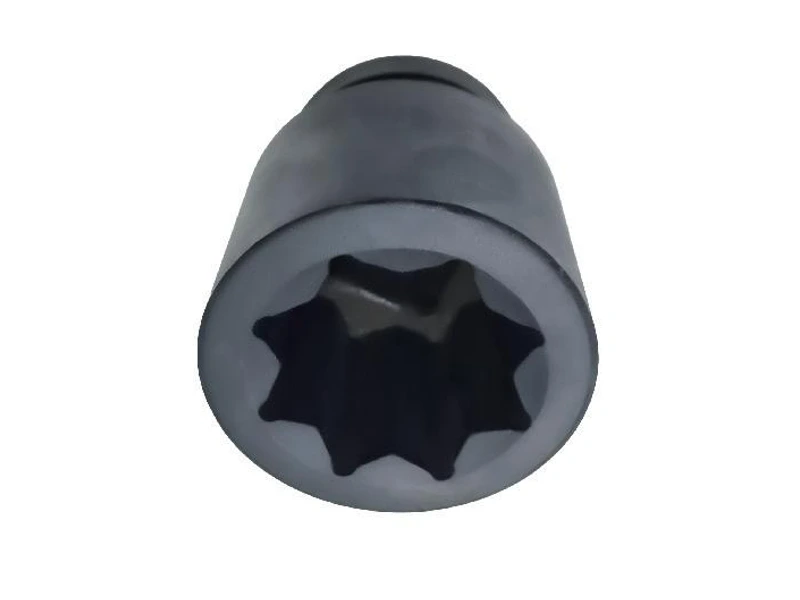
Bi-square socket viewed toward its eight-point fastener opening
Supplier catalogue photo of a bi-square socket and its fastener opening.

In a wholesale assortment, the distinction affects the fastener families covered, not only visual variety. A retailer should describe the supported profile on packaging and product data. Avoid a general “universal” claim unless a validated specification supports it.

  • Keep profile labels explicit in the SKU name and product description.
  • Do not substitute a 6-point item for a square-fastener request without fit confirmation.
  • Check outside diameter when a special profile must enter a confined recess.

A simple way to prevent returns: compare the socket opening with a full-size fastener drawing, rather than relying on a point-count label alone. Review impact sockets versus regular sockets for the powered-tool distinction.

Decision table: profile choice

Fastener head Candidate socket profile Verification needed
Hexagonal external head 6-point or specified alternative Across-flats size and engagement
Square external head 8-point / bi-square candidate Corner fit, depth, and clearance
Unusual or proprietary head Profile-specific tool Drawing and sample approval

4. What drive sizes are listed in the supplied catalogue?

On printed page 15, the supplied catalogue lists bi-square 8-point impact sockets in 1/2-inch, 3/4-inch, and 1-inch drives. Its size list includes SAE entries for 3/4-inch and 1-inch drive, plus metric entries for those same two drives. The page does not show a size list for the 1/2-inch drive variant.
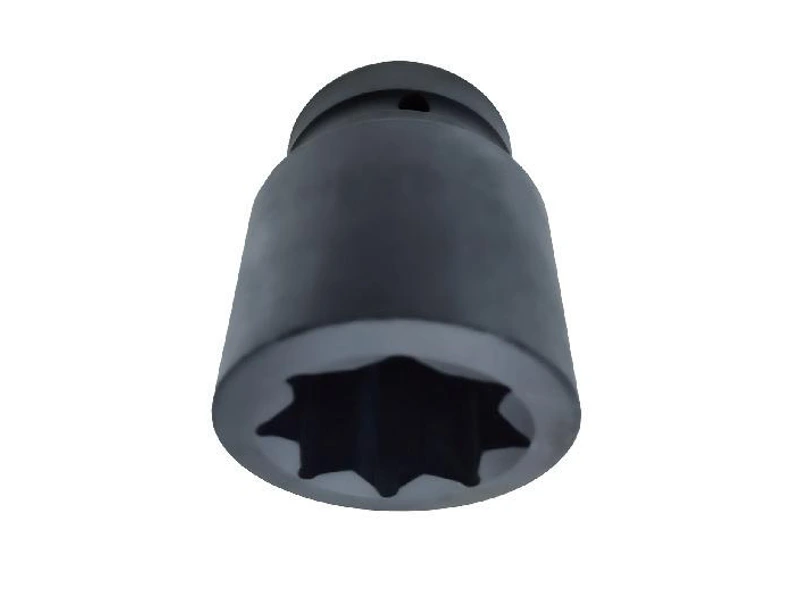
Bi-square socket body and eight-point fastener opening
Supplier catalogue photo of a bi-square socket body and opening.

These are catalogue-listed configurations, not independent evidence of current stock, tolerance, material, or performance. The printed page also shows rectangular impact sockets as separate items. Treat those separately during product-data entry.

  • Confirm availability and the current drawing for each requested drive.
  • Ask whether each size has metric or SAE marking and what unit system applies.
  • Request dimensional confirmation for socket opening, overall length, and outside diameter.

Keep the listing precise: show only drive and sizes confirmed for the order. Do not extend the 3/4-inch or 1-inch size list to the 1/2-inch model without written confirmation.

Decision table: catalogue-listed range

Drive size 8-point item listed? Size list shown on printed page 15?
1/2 in Yes No size list visible
3/4 in Yes SAE and metric entries shown
1 in Yes SAE and metric entries shown

5. How should buyers verify size and fit?

Start with the mating fastener. Measure across flats at more than one orientation, inspect corner radii, and note any chamfer or shoulder. A nominal size cannot capture all mating details. For a repeat purchase, define the socket’s internal width and allowable tolerance on a controlled drawing.
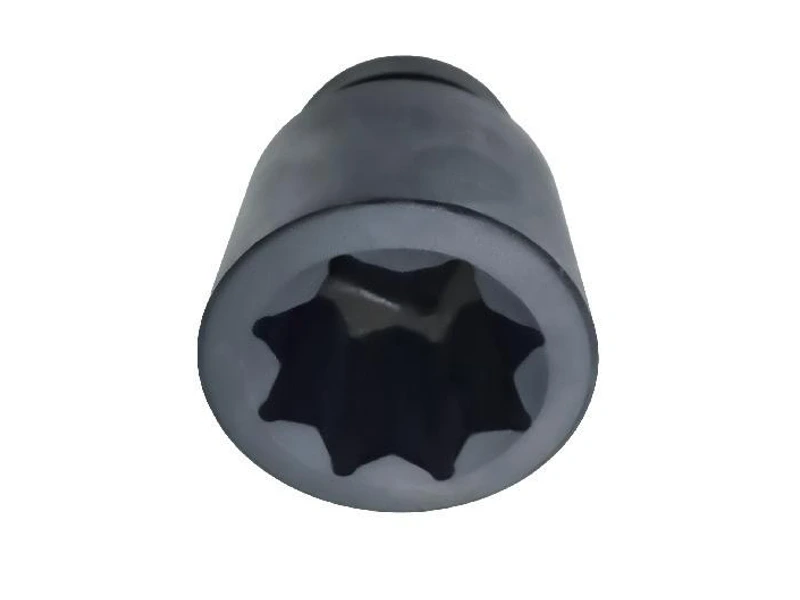
Bi-square socket viewed toward its eight-point fastener opening
Supplier catalogue photo of a bi-square socket and its fastener opening.

Check the socket’s depth against the fastener height and any projecting thread. Then confirm outside diameter against surrounding clearance. These checks matter for catalog breadth because two sockets with identical nominal openings can differ in body dimensions and reach.

  • Measure with a suitable calibrated instrument and record units.
  • Compare the sample against the finished fastener, not a worn or damaged one.
  • Ask for a first-article sample when geometry is new or application-critical.

Before approving production, document which surfaces make contact and how far the fastener enters. Kolarwin’s impact socket adapter guide helps with adjacent drive-interface questions; it does not replace profile validation.

Decision table: fit checks

Check Method Acceptance record
Across flats Measure fastener and socket opening Dimension and tolerance
Corner shape Drawing or close visual inspection Radius or profile note
Engagement depth Seat socket on sample Minimum seating observation
Outer clearance Check against assembly envelope Maximum outside diameter

6. What should a buyer specify for impact service?

State the tool type, drive size, and intended service conditions in the RFQ. An impact socket must be suitable for impact-wrench use; appearance or black finish alone does not prove that rating. The catalogue page identifies its items as impact sockets but provides no material grade, hardness, or rated torque for this special form.
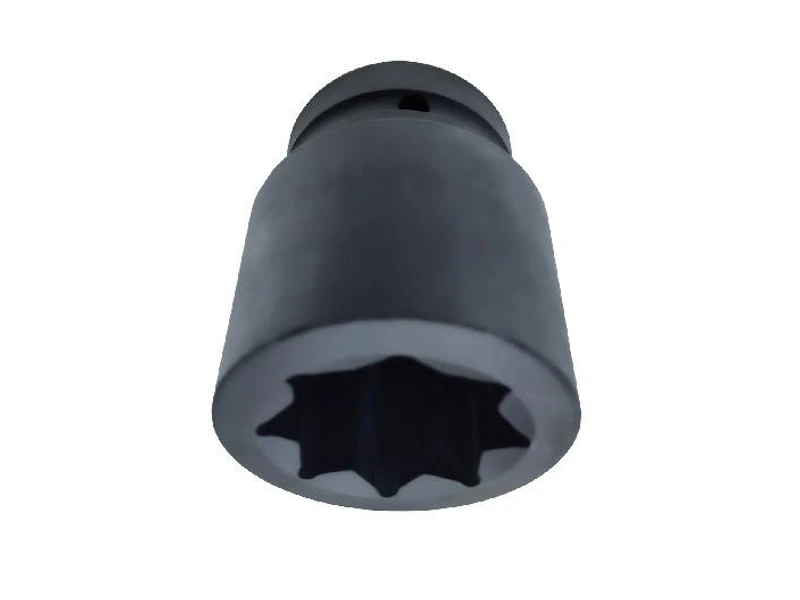
Bi-square socket body and eight-point fastener opening
Supplier catalogue photo of a bi-square socket body and opening.

Ask for the applicable product specification, material documentation, and test evidence relevant to the item. ISO 1711-2 covers hardness and minimum torsional strength for machine-operated square-drive sockets intended for impact wrenches. A supplier’s claim of conformity still needs evidence tied to the product and scope.

  • Identify tool drive and expected operating environment.
  • Request item-specific material, heat-treatment, and inspection records where applicable.
  • Keep maximum torque claims out of listings unless supported for that exact item.

The buyer action is straightforward: obtain a written specification for the sample and compare it with the production order’s inspection plan.

Decision table: impact-use RFQ fields

RFQ field Why request it Evidence to retain
Impact-use statement Confirms intended application Product specification
Drive and fastener profile Prevents interface substitution Drawing or approved sample
Material and heat treatment Defines product construction Batch or supplier documentation
Performance limits Sets measurable requirements Test method and results

7. How can assortment planning reduce SKU confusion?

Keep profile, drive, unit system, and opening size in separate fields. A compact assortment might cover the most frequent square-fastener sizes in one drive, while a broader industrial program may need multiple drive sizes. Demand should guide the choice; the catalogue page does not reveal sell-through or market preference.
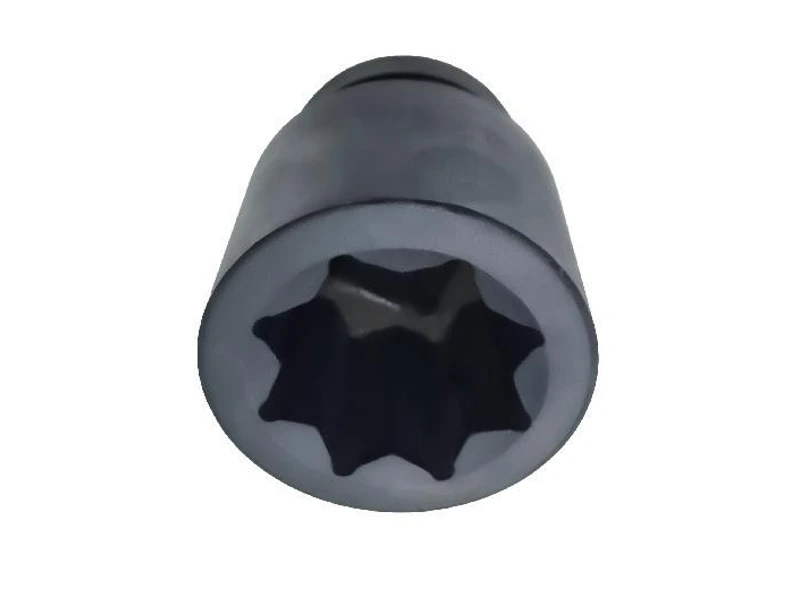
Bi-square socket viewed toward its eight-point fastener opening
Supplier catalogue photo of a bi-square socket and its fastener opening.

Avoid placing 8-point and rectangular sockets under a generic “special socket” description. Clear naming helps sales teams quote correctly and gives warehouse staff a reliable pick label.

  • Use a consistent SKU syntax: profile, drive, size, and length.
  • Separate confirmed ranges from proposed custom sizes.
  • Add a photo or line drawing that shows the opening clearly.

For range review, compare local service requests with the cost of carrying slow-moving variants. Browse mechanic tool sets when deciding whether specialty sockets belong in a larger kit.

Decision table: product-data fields

Field Example format Avoid
Profile 8-point / bi-square “Universal” without evidence
Drive 3/4 in square drive Confusing drive with opening size
Fastener size Metric or SAE value Mixed units without labels
Length Confirmed overall length Guessing from a photograph

8. What quality evidence should accompany a sample?

A useful sample review records fit, visible finish, marking, drive engagement, and dimensions. Those checks do not replace controlled performance testing, but they can catch an incorrect profile or mislabeled size before a product launch. Keep sample records linked to the exact supplier item and drawing revision.
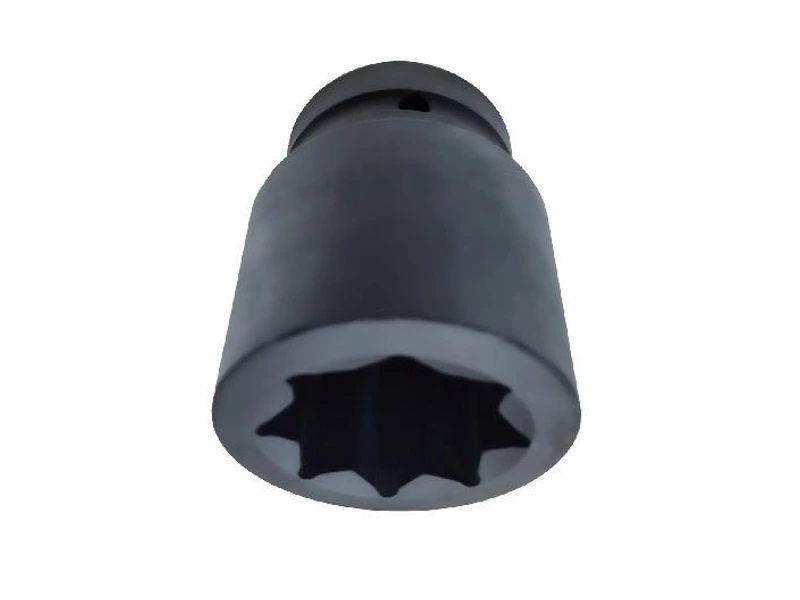
Bi-square socket body and eight-point fastener opening
Supplier catalogue photo of a bi-square socket body and opening.

For impact sockets, ask which standard or buyer specification governs the product. The requested test must match the item’s intended use and size range. A generic certificate without product scope, test method, or traceable results has limited value.

  • Record the received sample’s identifying marks and drawing revision.
  • Check fit on a representative fastener and drive tool interface.
  • Request test scope, sample size, and acceptance criteria in writing.

A disciplined approval file gives procurement a basis for comparing production samples against the agreed configuration. For wider sourcing context, see automotive repair tool categories.

Decision table: sample review file

Record Review question Result field
Approved drawing Which dimensions control fit? Revision and date
Sample check Does it seat and clear the assembly? Pass, fail, or notes
Test report Which method and limit apply? Report ID and scope
Marking review Can users identify profile and size? Approved wording

9. What should appear on packaging and product data?

Show the fastener profile, drive size, size unit, and any verified length. If a product is intended for powered impact service, label that only when supplier documentation supports it. Product copy should describe the fit class and included sizes, then point buyers toward the controlled drawing for dimensional details.
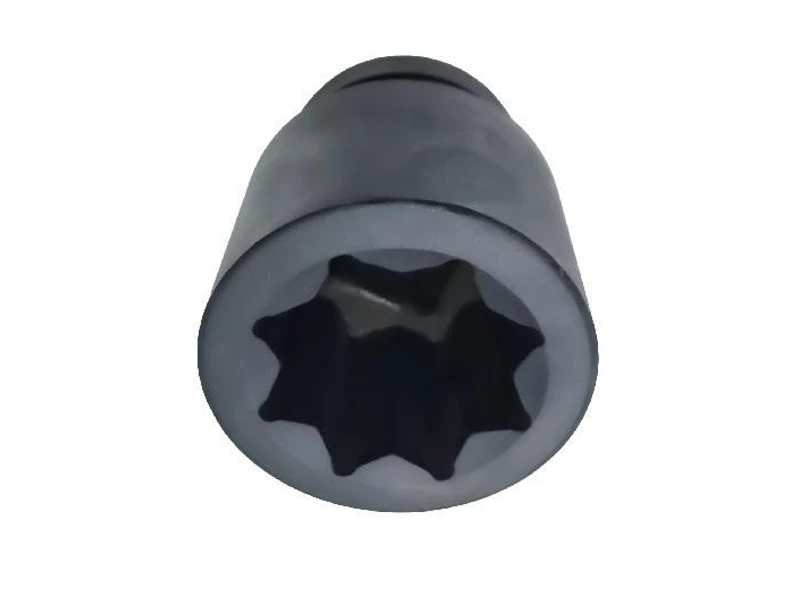
Bi-square socket viewed toward its eight-point fastener opening
Supplier catalogue photo of a bi-square socket and its fastener opening.

Avoid statements such as “fits every square fastener” or a universal torque value. Those statements erase differences in tolerances, material, fastener condition, and wrench output. A clear limitation protects the distributor and helps a workshop choose correctly.

  • Name the profile as 8-point / bi-square where confirmed.
  • Use separate fields for drive and fastener size.
  • State exclusions or application limits when the drawing defines them.

Before releasing artwork, compare every printed size with the approved order schedule. Socket tools for B2B sourcing provides a related category entry point.

Decision table: product-page language

Copy element Include Do not imply
Profile 8-point / bi-square Compatibility with all square forms
Drive Confirmed drive interface Fastener size
Sizes Approved unit and value Unlisted variants
Application Impact use if documented Unverified torque rating

10. What is the safest next step before placing an order?

Send the supplier a measured fastener drawing or sample, identify the required drive, and request written confirmation of the socket profile and size range. For the supplied catalogue’s listed range, verify the 1/2-inch variant separately because page 15 shows no sizes beside it. Approve a sample against the same dimensions and markings that will appear on production packaging.
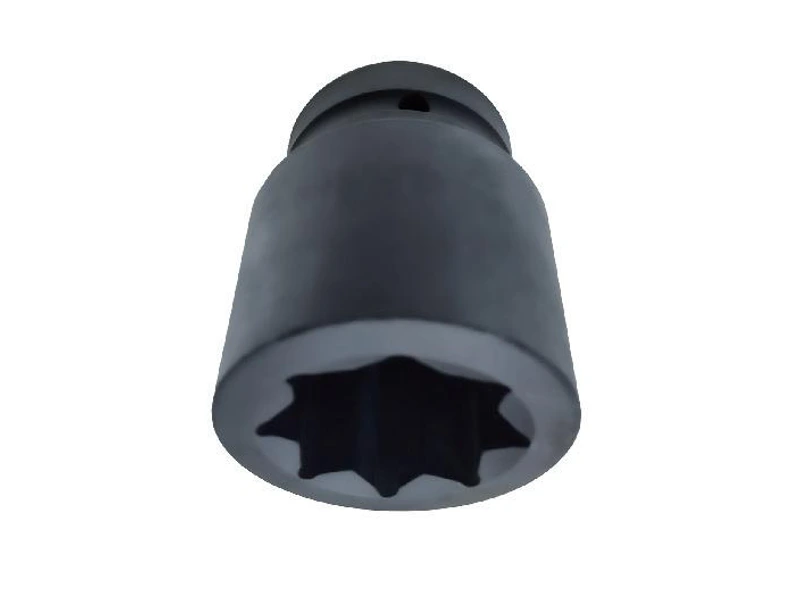
Bi-square socket body and eight-point fastener opening
Supplier catalogue photo of a bi-square socket body and opening.
  • Freeze profile, drive, size unit, length, and outside-diameter requirements.
  • Confirm impact-use documentation and applicable acceptance tests.
  • Approve sample and packaging artwork against one controlled revision.

Use this purchase rule: if profile, dimensions, and performance evidence do not share the same item reference, hold the SKU until the supplier reconciles them. Kolarwin’s socket tools page offers a category inquiry path.

Q1: What is an 8-point socket?
It has a bi-square recess formed by two square orientations; the point count refers to profile vertices, not eight flats. The supplied catalogue lists some bi-square items as impact sockets.

Q2: Does 8-point mean an 8-inch drive?
No. Point count describes the fastener opening; drive size describes the socket-to-tool connection.

Q3: Does the catalogue list 1/2-inch sizes?
It lists a 1/2-inch bi-square item but shows no size list beside it on printed page 15.

Q4: Can a 6-point socket replace the specified square-fastener socket?
No. Use the correct square or bi-square profile specified for that fastener; a 6-point hex socket is not a substitute.

Q5: Does an impact label provide a torque rating?
No. Request item-specific specifications and test evidence for any performance limit.

Looking for a reliable mechanic tools manufacturer in China?

If you are sourcing hand tools, socket tools, automotive repair tools, mechanic tool sets or OEM private label tools, contact KOLARWIN Tools for factory-direct quotation, customization support and product consultation.


An 8-point socket is used to engage compatible square fasteners, although fit depends on the exact profile and dimensions. Buyers should confirm fastener geometry, drive size, clearance, and intended use before adding a SKU to a range. The supplied catalogue lists certain bi-square sockets as impact sockets; that listing does not establish a universal impact rating or compatibility. Compare impact socket options and the broader socket tools range.

1. What does “8-point” mean on a socket?

An 8-point socket has a bi-square recess formed by two square orientations offset by 45 degrees, creating eight engagement points. “Point” describes profile vertices; it does not mean the opening has eight flats. The catalogue calls its profile “Bi Square” and separately lists rectangular impact sockets. Those are distinct profiles. A matching square-fastener profile must be verified by size, shape, and seating depth.

Bi-square socket viewed toward its eight-point fastener opening
Supplier catalogue photo of a bi-square socket and its fastener opening.

That geometric description does not establish fit for every square nut, plug, or fitting. Nominal width, corner radius, depth, and tolerances still govern engagement. Impact use adds another condition: both socket and accessory must be intended for powered impact service, and the drive must match the tool.

Here’s the practical distinction: point count describes the fastener opening, not the square drive that connects the socket to an impact wrench. Before listing an item, write both interfaces in the specification. See impact sockets by application for the related product family.

Decision table: identify each interface

Specification field What it describes Buyer check
Fastener profile Internal opening that grips fastener Confirm square or other special form
Fastener size Nominal dimension at engagement flats Match drawing or sample
Socket drive Square recess at socket base Match wrench anvil or approved adapter
Socket length Overall reach and clearance Check access around the assembly

2. Which fasteners may call for an 8-point profile?

An 8-point profile belongs in a range when customers service square fasteners or square-headed components. The precise end use varies by market and equipment; the catalogue alone does not identify an application list. Ask target workshops or distributors which fasteners they encounter, then match the request to a drawing or physical sample.

Bi-square socket body and eight-point fastener opening
Supplier catalogue photo of a bi-square socket body and opening.

Do not infer compatibility from a photo that merely looks square. Some fittings use tapered walls, recessed shoulders, or nonstandard dimensions. A socket that sits loosely may round corners under load, while a socket that stops high may contact only the fastener’s edge.

For a clean RFQ, attach a measured drawing and one representative sample when possible. Then ask the supplier to confirm profile, size, and seating depth before sampling. Buyers comparing adjacent kit formats can review socket sets for wholesale programs.

Decision table: application evidence

Evidence provided What it can establish Remaining check
Product photo Approximate visible form Dimensions and tolerances
Across-flats measurement Nominal size Corner radius and depth
Engineering drawing Defined geometry and limits Sample fit and tool clearance
Physical fastener sample Real mating condition Confirm representative production part

3. How is an 8-point socket different from a 6-point socket?

An 8-point bi-square recess is formed by two square orientations offset by 45 degrees, creating eight engagement points for a matching square fastener. A 6-point socket is designed for a hexagonal head and should not be assumed to fit a square fastener because its nominal size appears close.

Bi-square socket viewed toward its eight-point fastener opening
Supplier catalogue photo of a bi-square socket and its fastener opening.

In a wholesale assortment, the distinction affects the fastener families covered, not only visual variety. A retailer should describe the supported profile on packaging and product data. Avoid a general “universal” claim unless a validated specification supports it.

A simple way to prevent returns: compare the socket opening with a full-size fastener drawing, rather than relying on a point-count label alone. Review impact sockets versus regular sockets for the powered-tool distinction.

Decision table: profile choice

Fastener head Candidate socket profile Verification needed
Hexagonal external head 6-point or specified alternative Across-flats size and engagement
Square external head 8-point / bi-square candidate Corner fit, depth, and clearance
Unusual or proprietary head Profile-specific tool Drawing and sample approval

4. What drive sizes are listed in the supplied catalogue?

On printed page 15, the supplied catalogue lists bi-square 8-point impact sockets in 1/2-inch, 3/4-inch, and 1-inch drives. Its size list includes SAE entries for 3/4-inch and 1-inch drive, plus metric entries for those same two drives. The page does not show a size list for the 1/2-inch drive variant.

Bi-square socket body and eight-point fastener opening
Supplier catalogue photo of a bi-square socket body and opening.

These are catalogue-listed configurations, not independent evidence of current stock, tolerance, material, or performance. The printed page also shows rectangular impact sockets as separate items. Treat those separately during product-data entry.

Keep the listing precise: show only drive and sizes confirmed for the order. Do not extend the 3/4-inch or 1-inch size list to the 1/2-inch model without written confirmation.

Decision table: catalogue-listed range

Drive size 8-point item listed? Size list shown on printed page 15?
1/2 in Yes No size list visible
3/4 in Yes SAE and metric entries shown
1 in Yes SAE and metric entries shown

5. How should buyers verify size and fit?

Start with the mating fastener. Measure across flats at more than one orientation, inspect corner radii, and note any chamfer or shoulder. A nominal size cannot capture all mating details. For a repeat purchase, define the socket’s internal width and allowable tolerance on a controlled drawing.

Bi-square socket viewed toward its eight-point fastener opening
Supplier catalogue photo of a bi-square socket and its fastener opening.

Check the socket’s depth against the fastener height and any projecting thread. Then confirm outside diameter against surrounding clearance. These checks matter for catalog breadth because two sockets with identical nominal openings can differ in body dimensions and reach.

Before approving production, document which surfaces make contact and how far the fastener enters. Kolarwin’s impact socket adapter guide helps with adjacent drive-interface questions; it does not replace profile validation.

Decision table: fit checks

Check Method Acceptance record
Across flats Measure fastener and socket opening Dimension and tolerance
Corner shape Drawing or close visual inspection Radius or profile note
Engagement depth Seat socket on sample Minimum seating observation
Outer clearance Check against assembly envelope Maximum outside diameter

6. What should a buyer specify for impact service?

State the tool type, drive size, and intended service conditions in the RFQ. An impact socket must be suitable for impact-wrench use; appearance or black finish alone does not prove that rating. The catalogue page identifies its items as impact sockets but provides no material grade, hardness, or rated torque for this special form.

Bi-square socket body and eight-point fastener opening
Supplier catalogue photo of a bi-square socket body and opening.

Ask for the applicable product specification, material documentation, and test evidence relevant to the item. ISO 1711-2 covers hardness and minimum torsional strength for machine-operated square-drive sockets intended for impact wrenches. A supplier’s claim of conformity still needs evidence tied to the product and scope.

The buyer action is straightforward: obtain a written specification for the sample and compare it with the production order’s inspection plan.

Decision table: impact-use RFQ fields

RFQ field Why request it Evidence to retain
Impact-use statement Confirms intended application Product specification
Drive and fastener profile Prevents interface substitution Drawing or approved sample
Material and heat treatment Defines product construction Batch or supplier documentation
Performance limits Sets measurable requirements Test method and results

7. How can assortment planning reduce SKU confusion?

Keep profile, drive, unit system, and opening size in separate fields. A compact assortment might cover the most frequent square-fastener sizes in one drive, while a broader industrial program may need multiple drive sizes. Demand should guide the choice; the catalogue page does not reveal sell-through or market preference.

Bi-square socket viewed toward its eight-point fastener opening
Supplier catalogue photo of a bi-square socket and its fastener opening.

Avoid placing 8-point and rectangular sockets under a generic “special socket” description. Clear naming helps sales teams quote correctly and gives warehouse staff a reliable pick label.

For range review, compare local service requests with the cost of carrying slow-moving variants. Browse mechanic tool sets when deciding whether specialty sockets belong in a larger kit.

Decision table: product-data fields

Field Example format Avoid
Profile 8-point / bi-square “Universal” without evidence
Drive 3/4 in square drive Confusing drive with opening size
Fastener size Metric or SAE value Mixed units without labels
Length Confirmed overall length Guessing from a photograph

8. What quality evidence should accompany a sample?

A useful sample review records fit, visible finish, marking, drive engagement, and dimensions. Those checks do not replace controlled performance testing, but they can catch an incorrect profile or mislabeled size before a product launch. Keep sample records linked to the exact supplier item and drawing revision.

Bi-square socket body and eight-point fastener opening
Supplier catalogue photo of a bi-square socket body and opening.

For impact sockets, ask which standard or buyer specification governs the product. The requested test must match the item’s intended use and size range. A generic certificate without product scope, test method, or traceable results has limited value.

A disciplined approval file gives procurement a basis for comparing production samples against the agreed configuration. For wider sourcing context, see automotive repair tool categories.

Decision table: sample review file

Record Review question Result field
Approved drawing Which dimensions control fit? Revision and date
Sample check Does it seat and clear the assembly? Pass, fail, or notes
Test report Which method and limit apply? Report ID and scope
Marking review Can users identify profile and size? Approved wording

9. What should appear on packaging and product data?

Show the fastener profile, drive size, size unit, and any verified length. If a product is intended for powered impact service, label that only when supplier documentation supports it. Product copy should describe the fit class and included sizes, then point buyers toward the controlled drawing for dimensional details.

Bi-square socket viewed toward its eight-point fastener opening
Supplier catalogue photo of a bi-square socket and its fastener opening.

Avoid statements such as “fits every square fastener” or a universal torque value. Those statements erase differences in tolerances, material, fastener condition, and wrench output. A clear limitation protects the distributor and helps a workshop choose correctly.

Before releasing artwork, compare every printed size with the approved order schedule. Socket tools for B2B sourcing provides a related category entry point.

Decision table: product-page language

Copy element Include Do not imply
Profile 8-point / bi-square Compatibility with all square forms
Drive Confirmed drive interface Fastener size
Sizes Approved unit and value Unlisted variants
Application Impact use if documented Unverified torque rating

10. What is the safest next step before placing an order?

Send the supplier a measured fastener drawing or sample, identify the required drive, and request written confirmation of the socket profile and size range. For the supplied catalogue’s listed range, verify the 1/2-inch variant separately because page 15 shows no sizes beside it. Approve a sample against the same dimensions and markings that will appear on production packaging.

Bi-square socket body and eight-point fastener opening
Supplier catalogue photo of a bi-square socket body and opening.

Use this purchase rule: if profile, dimensions, and performance evidence do not share the same item reference, hold the SKU until the supplier reconciles them. Kolarwin’s socket tools page offers a category inquiry path.

Q1: What is an 8-point socket?
It has a bi-square recess formed by two square orientations; the point count refers to profile vertices, not eight flats. The supplied catalogue lists some bi-square items as impact sockets.

Q2: Does 8-point mean an 8-inch drive?
No. Point count describes the fastener opening; drive size describes the socket-to-tool connection.

Q3: Does the catalogue list 1/2-inch sizes?
It lists a 1/2-inch bi-square item but shows no size list beside it on printed page 15.

Q4: Can a 6-point socket replace the specified square-fastener socket?
No. Use the correct square or bi-square profile specified for that fastener; a 6-point hex socket is not a substitute.

Q5: Does an impact label provide a torque rating?
No. Request item-specific specifications and test evidence for any performance limit.

Why Partner with Kolarwin Tools?

Factory-Direct Pricing Skip the middleman — access competitive wholesale prices and protect your margins
Private Label & OEM Ready Your brand, our expertise — full customization from logo to packaging
Fast Global Shipping Reliable delivery to 60+ countries with full export documentation support
Low MOQ, High Flexibility Start small, scale fast — flexible order quantities to fit your business
Dedicated B2B Support One-on-one account management from quote to delivery, every time

Get Your Free Quote in 24 Hours

Tell us your sourcing needs — we'll respond with a tailored quote, product specs, and the best pricing for your market. No commitment required.

Chat on WhatsApp Email Us Directly
