
Need OEM supplier support for this product type?
Contact KOLARWIN Tools for OEM mechanic tools, private label packaging, wholesale quotation and product range support. This gives overseas buyers a clear path from article reading to supplier discussion.
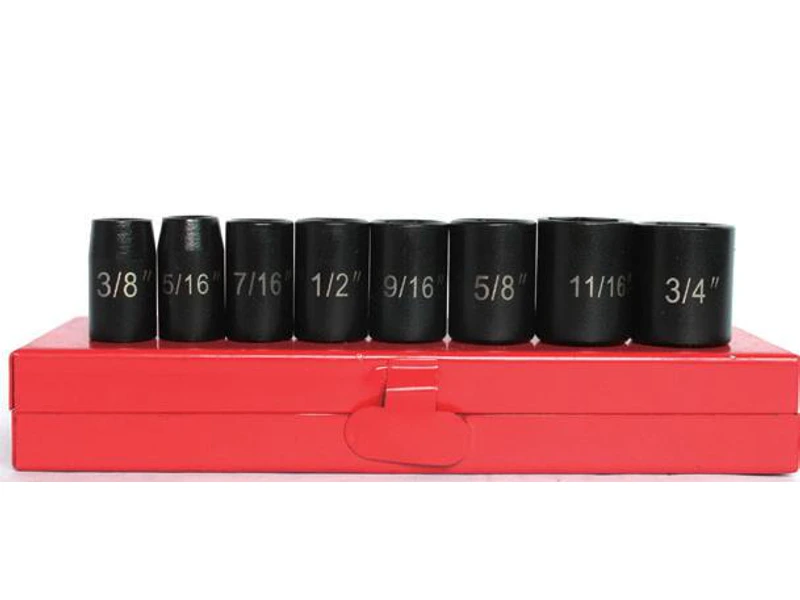
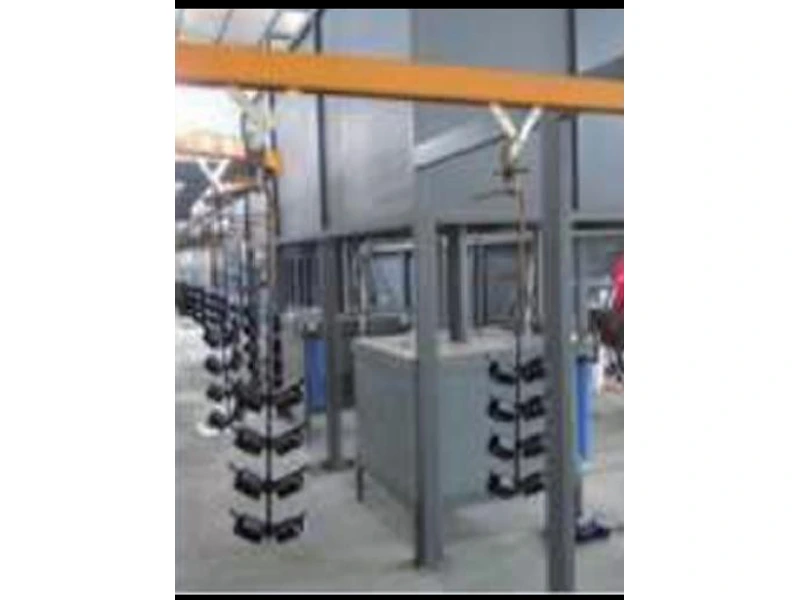
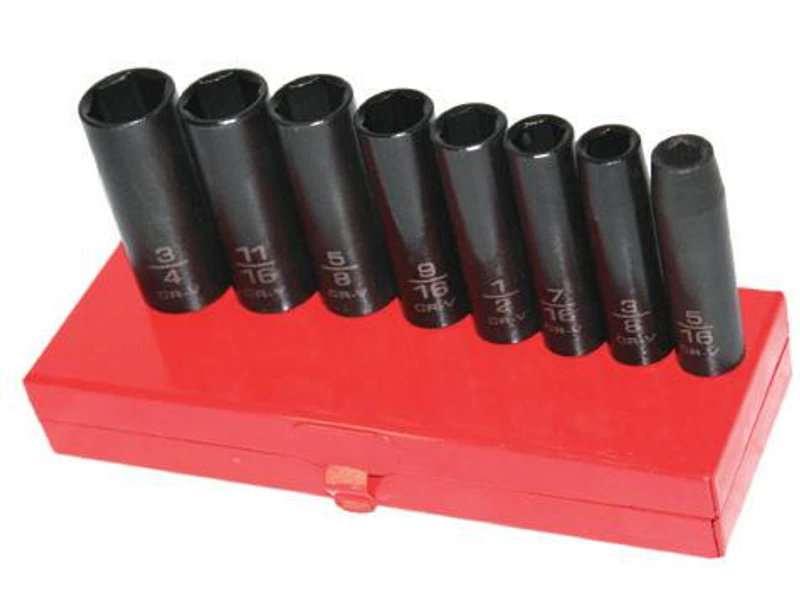
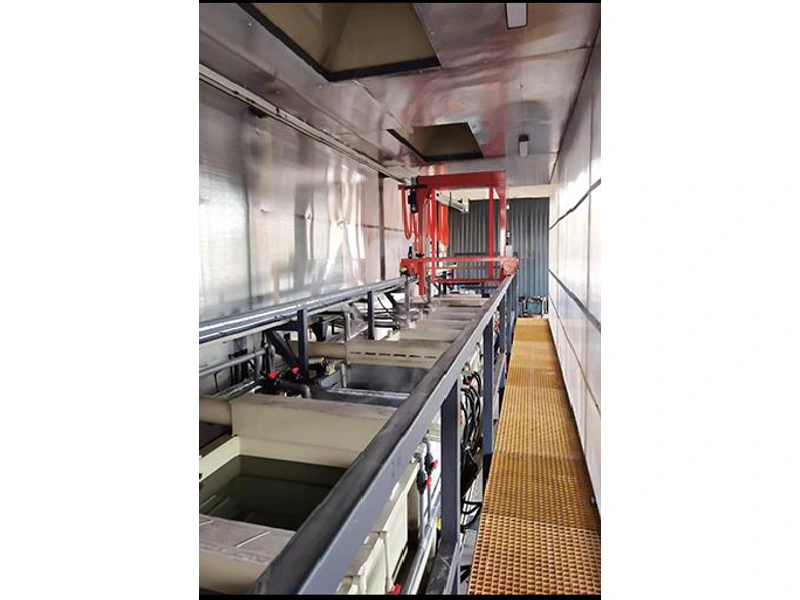
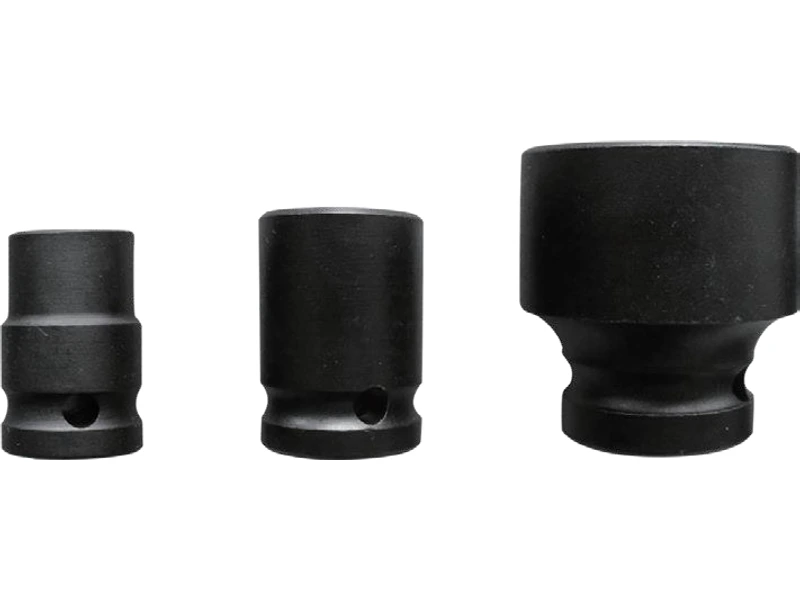
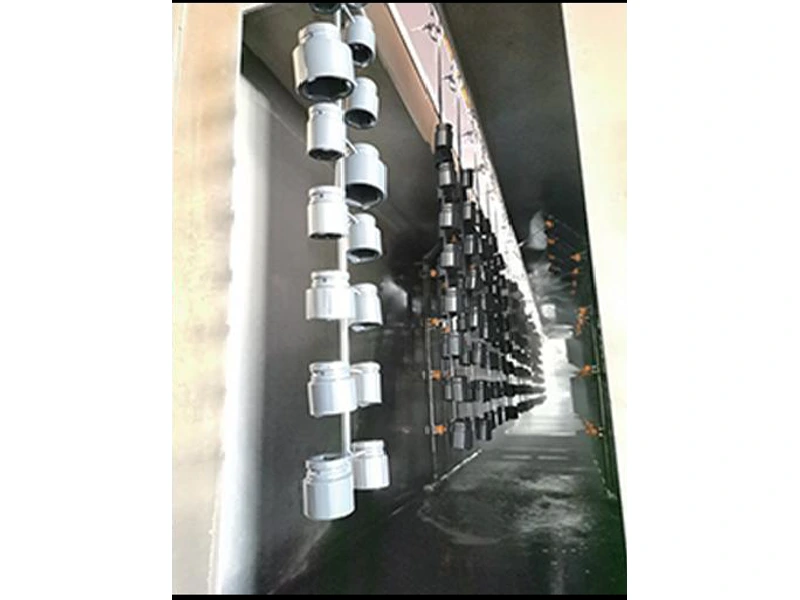
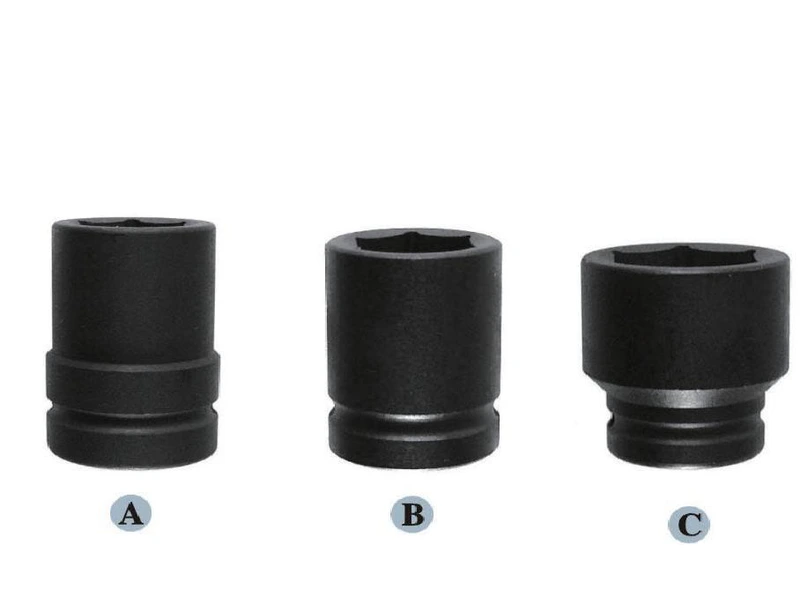
A black surface does not identify a coating process, and a coating name does not prove a corrosion result. For impact socket buyers, finish selection should begin with use conditions, coating coverage, handling, and evidence tied to the actual SKU. The supplied catalogue shows dark-finished socket examples and a workshop collage with equipment identified as e-coating and phosphating. Those images identify examples, not the finish process used on each socket or a corrosion result.
1. What does a socket finish change for the buyer?
A finish affects appearance, surface protection, friction, and sometimes fit at mating surfaces. It does not establish the socket’s alloy, heat treatment, hardness, impact rating, or service life. Those are separate product attributes that require their own specification and evidence. A black socket might be black oxide, phosphate with oil, paint, or another treatment; color alone cannot settle the question.
- Identify the finish by process name and supplier specification.
- Ask which SKU families receive that process and which surfaces remain untreated.
- Separate coating requirements from material and mechanical requirements.
Start with the finish definition on the purchase record. If a catalogue or sample simply says “black,” request a process name before comparing suppliers. Buyers assessing impact-rated socket options should keep finish as its own row in the approval sheet.
Buyer meaning of a finish field
| RFQ field | What it clarifies | What it cannot prove alone |
|---|---|---|
| Process name | The specified surface treatment | Corrosion life in a buyer’s environment |
| Color or appearance | Visual acceptance | Process identity or coating chemistry |
| Coverage map | Surfaces coated or masked | Mechanical strength |
| Test method and result | Performance under stated conditions | Identical performance in every service environment |
Action: add separate fields for process, color, coverage, and test evidence rather than using one “finish” checkbox.
2. How should a buyer distinguish phosphate, black oxide, and e-coat?
These names describe different surface-treatment approaches. Phosphate is a conversion layer on the substrate and is often paired with oil or another subsequent treatment. Black oxide converts the surface of suitable metals to a dark oxide layer; suppliers commonly pair it with oil, wax, or a sealer for added protection. Electrocoat deposits a paint film using an electrical process while the part sits in a coating bath. Each label needs a defined process and supplier-specific details.
- Ask whether phosphate is supplied with an oil or other post-treatment.
- Ask what black-oxide seal or rust preventive accompanies the treatment.
- For e-coat, identify coating type, color, coverage expectations, and cure specification.
Name the process, then define the system around it. Phosphate layers may be paired with anti-corrosion oils or waxes; black oxide may rely on an appropriate sealant for corrosion protection; e-coat deposits a paint film that requires curing. These are general process descriptions, not evidence about a catalogue socket. Browse socket tools and accessories only after each finish option has a written definition.
Process family comparison
| Finish family | General process description | Buyer follow-up |
|---|---|---|
| Phosphate | Conversion coating formed on a prepared metal surface | Which phosphate process and post-treatment? |
| Black oxide | Dark oxide conversion treatment on a compatible metal | What oil, wax, or sealer is specified? |
| E-coat | Electrically deposited paint film, then cured | Which paint system, film requirements, and masked areas? |
Action: request the current process specification or supplier data sheet for the offered finish, not a generic color sample.
3. Does a black appearance tell you which finish is present?
No. Black is a visual description shared by several processes and topcoats. A photograph can help screen appearance, but it cannot verify the coating method. Buyers should classify appearance requirements separately from process identity.
- Use a labeled sample or approved master sample for visual review.
- Record gloss, color consistency, visible bare areas, and acceptable handling marks.
- Confirm that production samples represent the same process and SKU family.
Use photographs for appearance approval, not chemistry claims. Ask the supplier to identify the process in writing and tie it to the approved sample lot. If the finish will sit inside a broader socket set configuration, approve both the loose tool and the packed assortment where color consistency matters.
Appearance evidence matrix
| Evidence | Useful for | Not sufficient for |
|---|---|---|
| Catalogue photo | Initial visual screening | Confirming coating chemistry |
| Physical sample | Color, gloss, coverage, handling | Corrosion performance without testing |
| Process record | Process identity and scope | Proving every shipped lot conforms |
| Lot inspection record | Shipment-level traceability | Replacing a defined acceptance standard |
Action: sign off a dated physical sample and attach its finish description to the PO.
4. Which finish fits storage, workshop, and outdoor exposure?
The right comparison depends on humidity, salt exposure, chemical contact, cleaning, abrasion, and storage duration. A socket stored in a dry service cart faces a different environment from one kept in a damp vehicle or marine maintenance area. Coating families cannot be ranked responsibly without matched test conditions and a target acceptance level. Salt spray hours copied from unrelated products are not a substitute for the buyer’s own requirement.
- Describe where the tool will be stored and used.
- Identify contact with water, road salt, cleaners, oils, and abrasive surfaces.
- State whether appearance, corrosion prevention, or both drive acceptance.
Translate the environment into a test request. Electrocoat formulations and roles vary; black-oxide protection depends on its accompanying sealant; phosphate treatment may be combined with oils or waxes. Ask the supplier what evidence applies to the selected system. For broad automotive repair tool applications, avoid assuming one finish suits every climate and service workflow.
Exposure-to-evidence planning
| Exposure condition | Specification detail to provide | Evidence to request |
|---|---|---|
| Dry indoor storage | Handling and appearance criteria | Sample approval and packing protection |
| Humid shop or vehicle | Humidity, cleaning, and storage cycle | Test method, duration, and inspection criteria |
| Salt or coastal exposure | Salt contact and post-use cleaning | Defined corrosion test and acceptance limits |
| Frequent abrasion | Contact points and use frequency | Wear evaluation on representative parts |
Action: send suppliers one written exposure scenario and require the same test protocol for every finish under comparison.
5. Can coating thickness affect socket fit or marking?
A coating occupies space and may change dimensions at critical interfaces. The effect depends on the process, film build, geometry, and areas masked during finishing. Drive square, retaining groove, pin hole, and fastener-engagement surfaces may need different treatment from external faces. Do not assume every coating covers every surface equally or that nominal dimensions account for the finished condition.
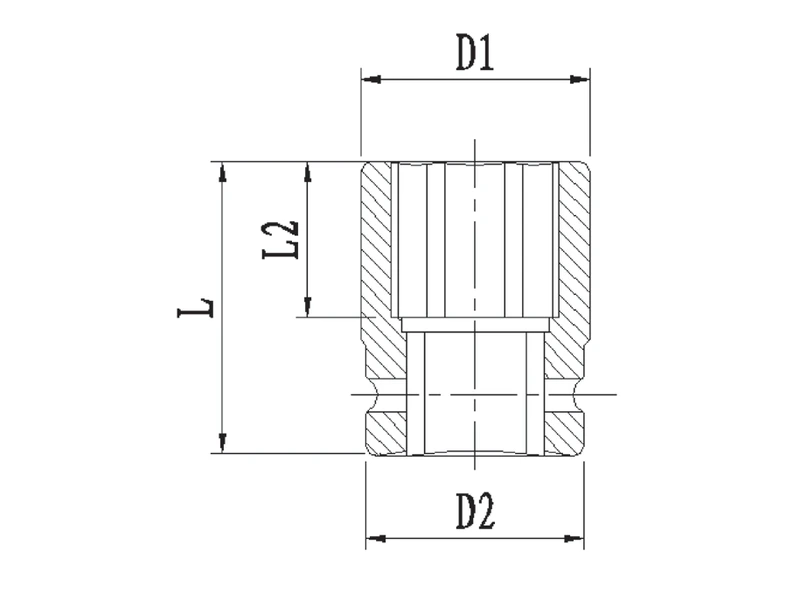
- Mark critical interfaces on the controlled drawing.
- State whether finished dimensions apply before or after coating.
- Identify areas that must stay clear for fit, retention, or legible markings.
Review finished dimensions at the interfaces that mate. Ask for inspection data after finishing on representative samples. A socket drawing and dimension guide can help organize dimensions, but coating allowances must come from the approved part specification rather than a generic assumption.
Dimensional-control checklist
| Interface | Buyer question | Acceptance record |
|---|---|---|
| Square drive | Is the finished drive opening within the agreed limits? | Final inspection measurement |
| Retention feature | Does coating interfere with pin, ball, or ring retention? | Fit check with nominated anvil/accessory |
| Fastener opening | Is coating present on engagement faces? | Finished opening measurement and sample check |
| Marking | Does the finish leave size and ID readable? | Visual standard after finish and handling |
Action: flag coated interfaces on the drawing and require final-state dimensions for critical fits.
6. How should a distributor compare corrosion test claims?
A test result only has meaning with its method, specimen, preparation, film system, exposure conditions, inspection criteria, and pass/fail definition. A number without that context invites false comparisons. One supplier may test a flat coupon; another may test a finished socket with edges, cavities, and handling marks. Both results may be valid within their protocols while answering different questions.
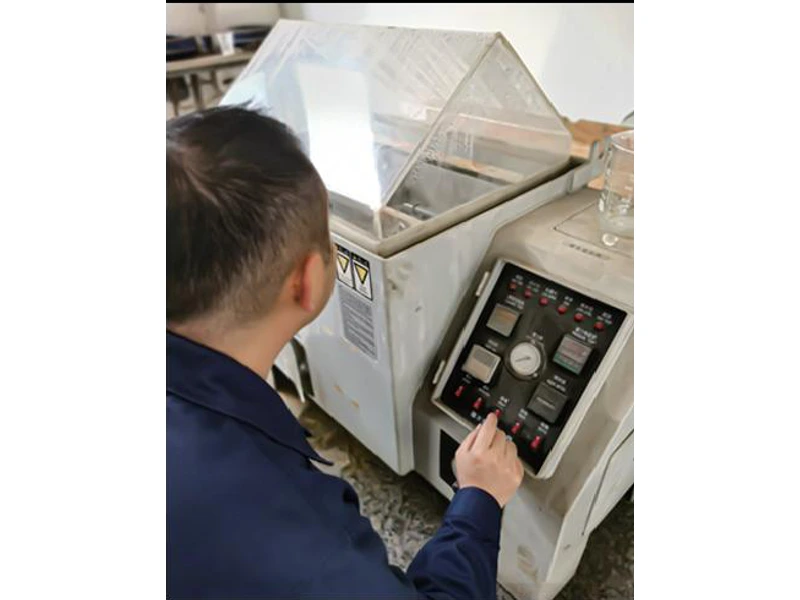
- Request the test standard and revision or a complete in-house method.
- Confirm test parts match the proposed finish, substrate, and production route.
- Record what counts as failure, including red rust, staining, or coating loss.
Compare like with like. If a buyer needs a corrosion threshold, define it before quotation and make suppliers identify deviations. An independent socket supplier checklist can help buyers keep material, finish, and inspection evidence as separate approval tracks.
Minimum test-report fields
| Report field | Why it matters |
|---|---|
| Specimen identity and finish lot | Links results to a product and process |
| Substrate and preparation | Changes coating adhesion and behavior |
| Test method and conditions | Makes the exposure reproducible |
| Inspection intervals and criteria | Defines how failure was judged |
| Result and deviations | Shows actual outcome and exceptions |
Action: reject unqualified “hours of protection” statements until the method and acceptance rule are documented.
7. What should a sample approval include?
A sample review should confirm more than color. Buyers need to decide whether the sample represents the intended production process, whether functional areas remain usable, and whether pack-out protects the finish. The catalogue’s workshop collage identifies e-coating and phosphating equipment, but it does not establish which process applies to every product shown elsewhere. Scope must be linked to named SKU families.
- Record sample ID, date, finish description, and relevant product dimensions.
- Photograph visible surfaces and critical interfaces under consistent lighting.
- Confirm whether the sample is production-representative or pre-production only.
Make approval specific enough to repeat. Ask for the finish to be identified against the actual product line and quantity in your PO. A larger mechanics tool set program may contain several product types, so approve finishes by component family rather than by kit photo alone.
Sample-approval record
| Check | Approval note |
|---|---|
| Finish identity | Process name and supplier specification |
| Coverage | Coated, masked, or untreated areas |
| Visual standard | Color, gloss, and allowable marks |
| Functional fit | Drive, retention, opening, and markings |
| Production link | Sample lot and intended SKU scope |
Action: return one signed sample or reference photo set with a clear statement of the covered SKU scope.
8. What should the RFQ say about finish?
An effective RFQ names the process, performance objective, appearance target, and required proof. “Black finish” alone leaves too much open to interpretation. Buyers should also say whether a supplier may propose an alternative. If a substitute is allowed, require advance disclosure and reapproval before shipment.
- Define the intended environment and finish system.
- State finished-part coverage, masking, markings, and dimensional controls.
- Request test evidence, sample timing, and change-notification rules.
Put finish acceptance on the same page as product identity. The quote should show socket size range, drive, depth, material claim, finish, packaging, and test evidence as independent fields. If unit systems differ, use a metric-to-SAE size reference to avoid mixing opening size with drive size.
RFQ finish language
| RFQ line | Example instruction |
|---|---|
| Finish | State named process and supplier specification |
| Coverage | Identify coated and masked interfaces on drawing |
| Appearance | Attach sample or color/gloss acceptance reference |
| Performance | Name test method, conditions, and acceptance criteria |
| Change control | Require written approval before process substitution |
Action: require a written finish declaration for each offered SKU family before sample approval.
9. What finish details belong in incoming inspection?
Incoming inspection can verify identity, appearance, packaging, markings, and selected dimensions. It cannot reconstruct an undocumented chemical process from color. Process assurance depends on supplier records, lot traceability, and, where needed, testing. Build controls around the risk level and the agreed requirements rather than attempting to judge chemistry by eye.
- Check labels and lot records against the approved SKU and finish.
- Inspect representative samples for bare spots, flaking, handling damage, and readable marks.
- Measure finished dimensions at agreed critical interfaces.
Keep visual acceptance and process verification connected. Use traceable lot paperwork for process identity and a repeatable inspection plan for product condition. A socket set sourcing program can carry those controls into multi-item kits.
Incoming inspection plan
| Check | Method | Record |
|---|---|---|
| SKU and finish identity | Label and lot-document review | Lot, supplier, process name |
| Appearance and coverage | Approved sample comparison | Defect type and disposition |
| Critical dimensions | Calibrated measurement | Actual values and tolerance |
| Packaging condition | Carton and separator inspection | Damage, rub marks, moisture evidence |
Action: agree on a sampling plan and escalation path before the first production shipment.
10. How should a buyer make the final finish decision?
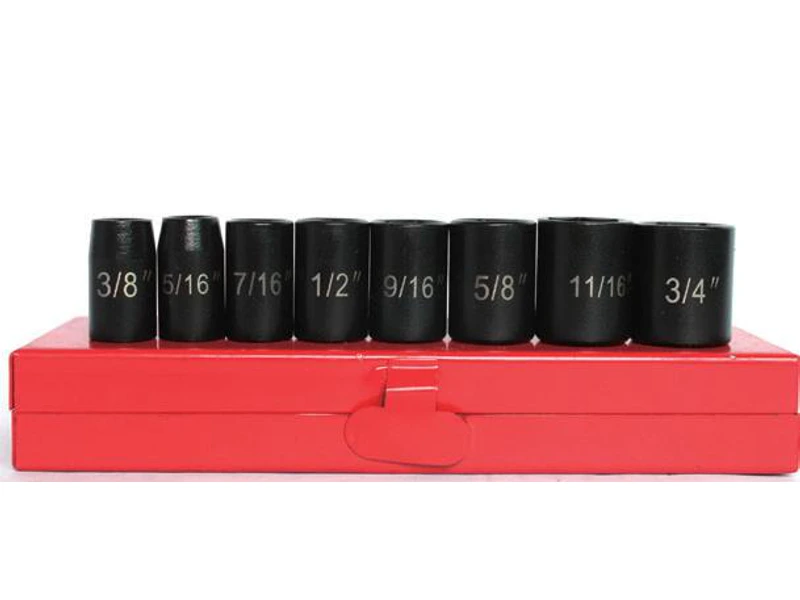
Choose the least ambiguous finish specification that meets the real storage and use conditions. Begin with a named process, define coverage and fit-sensitive areas, and compare evidence gathered under the same test conditions. Treat a catalogue photo as a visual example. Treat workshop equipment imagery as evidence that the supplier’s source material identifies certain equipment, not as proof that every SKU uses that line or passes a corrosion benchmark.
- Separate finish process from color and product material.
- Approve a representative sample and define finished-part dimensions.
- Require the same method and acceptance criteria across supplier offers.
Make the finish decision concrete. If the evidence or process scope remains unclear, quote the requirement as open and ask for a documented proposal before awarding the order. For a product inquiry, use the socket product range and send the agreed finish fields with the quotation request.
Action: release the PO only after process identity, sample, coverage, and performance evidence match the written requirement.
Q1: Is every black impact socket black oxide? No. Color does not identify the process. Request the named finish specification.
Q2: Does e-coat always provide better corrosion protection? Not as a universal claim. Results depend on coating formulation, preparation, film, coverage, cure, and test conditions.
Q3: Can a supplier use salt-spray hours from another product? Treat them as background only unless the tested specimen and system match the offered socket and agreed method.
Q4: Does phosphate alone define the full protection system? Often the process is paired with oil, wax, or another treatment. Ask what post-treatment is included.
Q5: Should finish be specified for a whole kit? Yes, but list finish by component family and identify any exceptions or mixed finishes.
Looking for a reliable mechanic tools manufacturer in China?
If you are sourcing hand tools, socket tools, automotive repair tools, mechanic tool sets or OEM private label tools, contact KOLARWIN Tools for factory-direct quotation, customization support and product consultation.


