Need OEM supplier support for this product type?
Contact KOLARWIN Tools for OEM mechanic tools, private label packaging, wholesale quotation and product range support. This gives overseas buyers a clear path from article reading to supplier discussion.
You’re looking at tool suppliers and asking a very practical question: where do large retailers actually source their tools? The answer is straightforward—most tools come from a global supply chain dominated by OEM factories, especially in Asia.
Now picture this: you’re a distributor trying to build your own tool line. You worry about quality consistency, supplier reliability, and pricing control. Here’s the deal—understanding how large buyers source tools gives you a blueprint to do the same, but smarter. That’s exactly what this guide will walk you through, step by step, using the lens of a Socket set strategy.
1. Where Do Retailers Source Socket Set Products From?

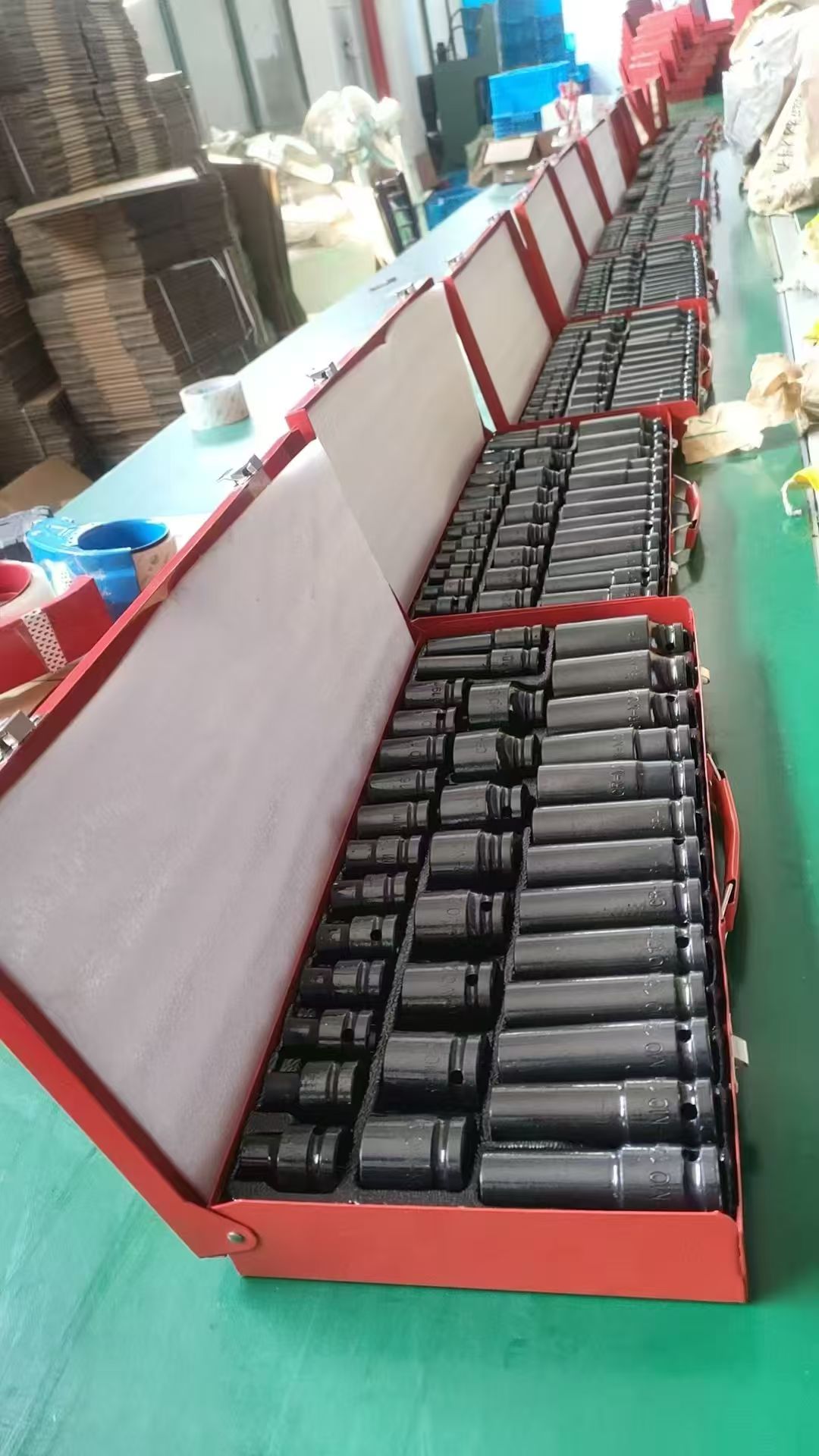
Retailers source most Socket set products from overseas OEM factories, mainly located in China, Taiwan, and Southeast Asia.
In reality, large buyers don’t manufacture tools themselves—they rely on specialized factories that handle production, testing, and packaging. Now, think about it—this allows them to focus on branding, distribution, and pricing strategy instead of production risks.
Why do overseas factories dominate supply?
- Lower production costs with scalable capacity
- Mature supply chains for steel, forging, and finishing
- Strong OEM customization capabilities
- Faster production cycles for bulk orders
But here’s what matters—you’re not just buying tools, you’re buying a supply system.
Key Takeaway: If you want to compete, you need access to the same OEM ecosystem retailers rely on.
2. Why Is OEM Manufacturing Key for Socket Set Supply?

OEM manufacturing is the backbone of Socket set supply because it allows buyers to create branded products without owning factories.
Let me explain—OEM means the factory produces tools under your brand, based on your specs. This is how distributors build their own product lines quickly.
What makes OEM so powerful?
- Custom logo engraving on sockets and ratchets
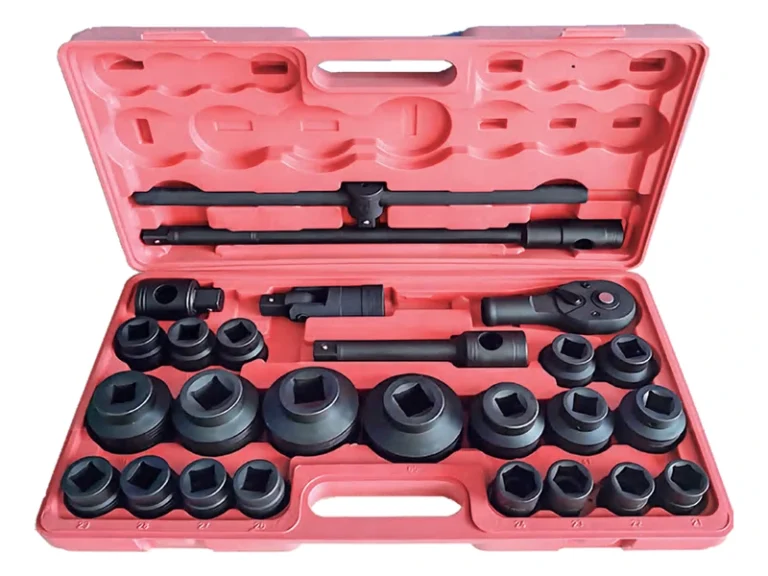
- Flexible tool configurations (100pcs, 150pcs, 200pcs sets)
- Packaging tailored for retail or wholesale
- Cost control through volume optimization
Here’s where it gets interesting—you can build a full product line with minimal upfront investment.
Key Takeaway: OEM is not just production—it’s your fastest path to brand ownership in the tool market.
3. How Do Factories Ensure Socket Set Quality?

Factories ensure Socket set quality through strict material selection, heat treatment, and testing standards.
You might be wondering—why do some tools last longer than others? The answer lies in steel composition and process control.
What quality checks matter most?
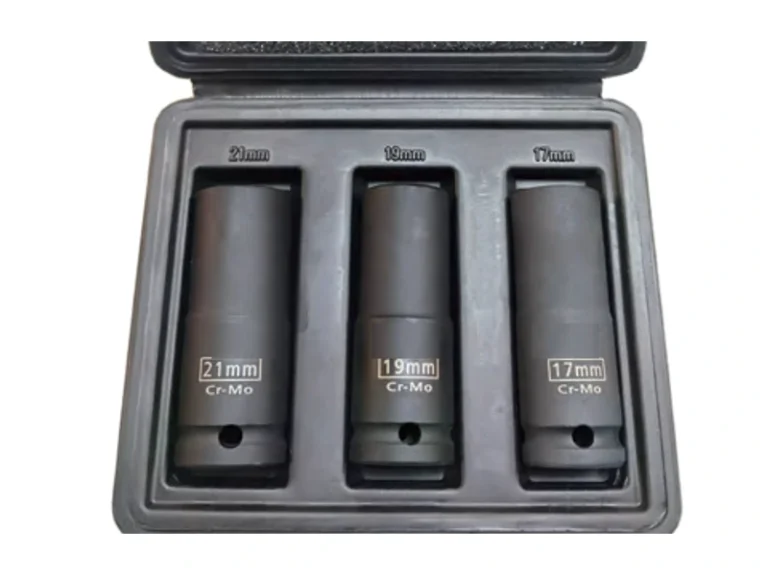
- Material: Chrome Vanadium (Cr-V) or Chrome Molybdenum (Cr-Mo)
- Heat treatment for hardness and durability
- Torque testing for ratchets and sockets
- Surface finishing like chrome plating or black phosphate
Here’s the bottom line—quality is built into the process, not added later.
Key Takeaway: A reliable supplier always proves quality with test data, not just claims.
4. What Role Does Supply Chain Play in Socket Set Pricing?

The supply chain directly determines Socket set pricing through material cost, labor, and logistics.
Let’s break it down—even small changes in steel price or shipping rates can impact your final cost significantly.
What affects pricing most?
- Steel raw material fluctuations
- Labor costs in manufacturing regions
- Shipping (FOB, CIF, DDP differences)
- Packaging and customization
But wait—there’s more—volume is your strongest pricing lever.
Key Takeaway: Control your supply chain inputs, and you control your profit margins.
5. How Do Buyers Select Socket Set Suppliers?
Buyers select Socket set suppliers based on quality, consistency, and communication—not just price.
Here’s the truth—cheap suppliers often cost more in the long run due to defects or delays.
What criteria do professionals use?
- Factory audit and production capability
- Sample testing before bulk order
- Communication speed and clarity
- Track record with international clients
Now you see the pattern—reliable partners reduce your business risk.
Key Takeaway: Choose suppliers like partners, not just vendors.
6. What Makes a Socket Set Competitive in the Market?

A Socket set becomes competitive through design, usability, and price positioning.
Think about your customers—they don’t just buy tools, they buy convenience and reliability.
What features matter most?
- 72-tooth ratchet for smooth operation
- Clear size markings on sockets
- Durable storage cases
- Balanced tool selection
Here’s the catch—more tools doesn’t always mean better value.
Key Takeaway: Focus on practical configurations that match real user needs.
7. How Do Tool Brands Differentiate Socket Set Products?

Brands differentiate Socket set products through packaging, positioning, and perceived value.
Let me show you how—two identical tools can sell at different prices depending on branding.
What creates differentiation?
- Packaging design and color identity
- Warranty positioning
- Target market (DIY vs professional)
- Retail vs online presentation
Here’s the insight—branding turns tools into products customers trust.
Key Takeaway: Your brand strategy defines your price level in the market.
8. Are All Socket Set Manufacturers the Same?


No, Socket set manufacturers vary widely in capability, quality, and consistency.
This is where many buyers fail—they assume all factories produce the same quality.
What separates good factories from average ones?
- Advanced forging and machining equipment
- In-house testing labs
- Stable workforce and experience
- Consistent raw material sourcing
So what does this mean for you?—supplier selection defines your product quality.
Key Takeaway: Not all factories are equal, and choosing the wrong one can damage your brand.
9. How Can You Build Your Own Socket Set Product Line?

You can build your own Socket set product line by combining OEM production with strategic product design.
Here’s how it works—you define the product, the factory builds it, and you control the brand.
What steps should you follow?
- Define your target market (DIY or professional)
- Choose core tool configurations
- Customize branding and packaging
- Test samples before mass production
Now think about it—this is exactly how major distributors operate.
Key Takeaway: You don’t need a factory to build a strong tool brand—you need the right system.
10. What Trends Are Shaping the Future of Socket Set Supply?


The future of Socket set supply is driven by customization, efficiency, and direct sourcing.
Here’s what’s changing—buyers are moving closer to factories and cutting out middle layers.
What trends should you watch?
- Direct factory sourcing instead of trading layers
- Smaller MOQ with faster production cycles
- Increased demand for private label tools
- Digital sourcing via independent websites
| Trend | Impact | Opportunity |
|---|---|---|
| Direct sourcing | Lower cost | Higher margins |
| Custom branding | Market differentiation | Brand building |
| Faster production | Reduced lead time | Better inventory control |
A clear shift toward efficiency is happening—adapt early to stay ahead.
Key Takeaway: The closer you are to the factory, the stronger your competitive edge.
Conclusion
Most tools are sourced through global OEM manufacturing systems, and understanding this gives you a serious advantage. You now see how sourcing works, how suppliers operate, and how you can build your own product line using the same model.
Here’s the big idea—you’re not just buying tools, you’re building a supply chain strategy. Whether you want better pricing, stronger branding, or more control, it all starts with the right supplier.
If you’re ready to develop your own tool line or optimize sourcing, contact us today—we help distributors build reliable, scalable, and profitable tool programs.
FAQ
Can I start a socket set business without owning a factory?
Yes, you can. OEM manufacturing allows you to build your own brand while factories handle production, making it cost-effective and scalable.
What’s the best way to test a supplier’s quality?
Start with samples. Evaluate material, finishing, and performance through real-world testing before placing bulk orders.
How do I know if a socket set is high quality?
Check for Cr-V or Cr-Mo steel, proper heat treatment, and consistent finishing. Reliable suppliers will provide test reports.
Can I customize socket set configurations?
Yes, most OEM factories offer flexible configurations, allowing you to design sets based on your target market.
What’s the best order quantity for beginners?
Start with manageable MOQ levels based on your market demand, then scale as your sales grow.
Looking for a reliable mechanic tools manufacturer in China?
If you are sourcing hand tools, socket tools, automotive repair tools, mechanic tool sets or OEM private label tools, contact KOLARWIN Tools for factory-direct quotation, customization support and product consultation.