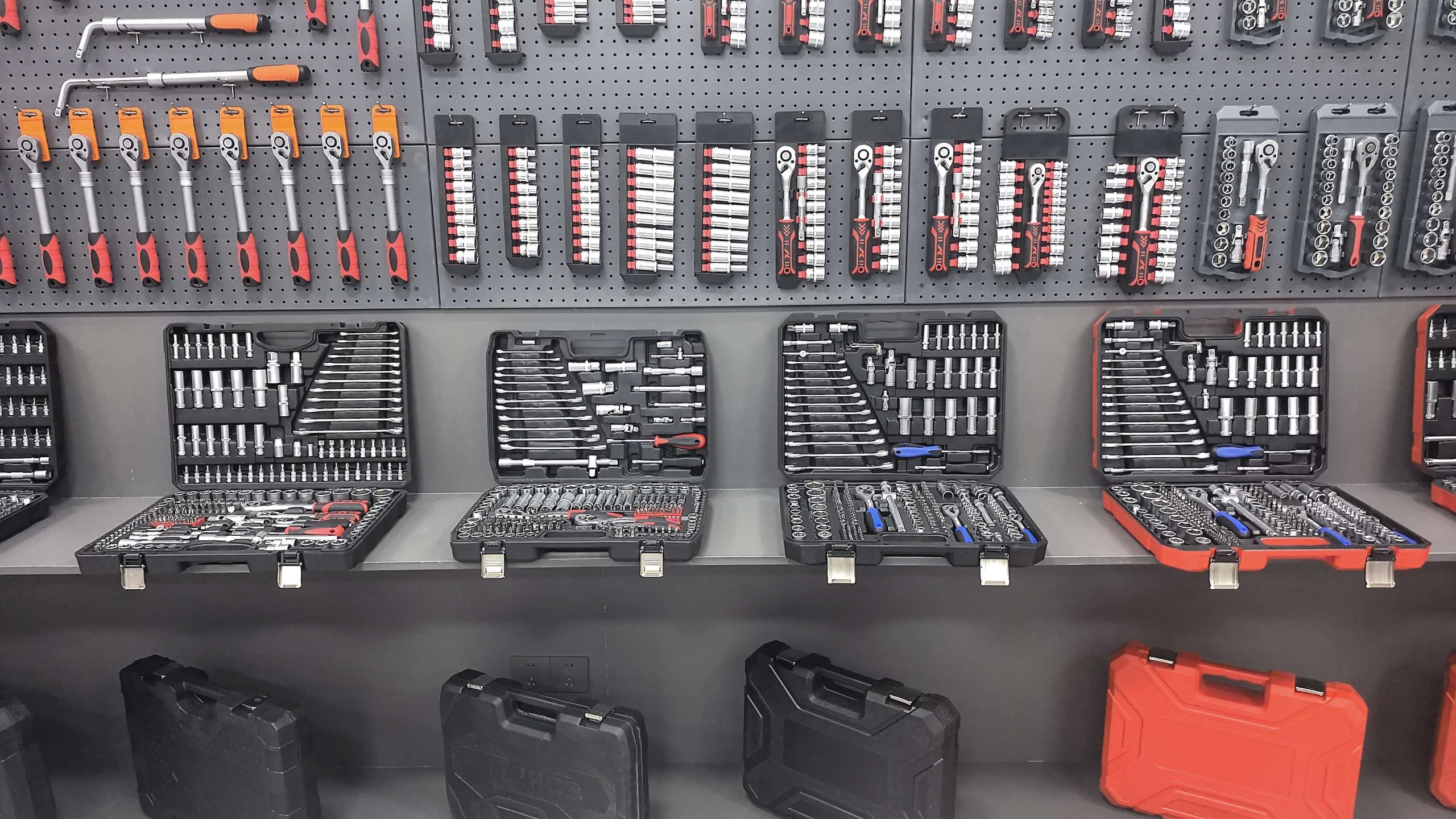
Need OEM supplier support for this product type?
Contact KOLARWIN Tools for OEM mechanic tools, private label packaging, wholesale quotation and product range support. This gives overseas buyers a clear path from article reading to supplier discussion.
Many importers want reliable automotive repair tools from China, yet they often face unclear MOQ, unstable quality, weak packaging, and slow supplier replies. A professional China OEM Auto Tools Supplier helps solve these sourcing problems with product range, OEM logo service, tool case packaging, quality control, and export support. This guide explains how distributors, wholesalers, and private label tool brands can choose a supplier that supports long-term automotive tool business.
What Will This Guide Cover?
● What a China OEM Auto Tools Supplier should provide
● How distributors judge product range
● Why MOQ and mixed orders matter
● How OEM logo and packaging affect brand value
● What quality control points buyers should check
● How export support reduces sourcing risk
● What questions buyers should ask before ordering
1. What Makes a China OEM Auto Tools Supplier Suitable for Distributors?
A distributor does not only buy tools. A distributor buys supply stability, repeatable product quality, and a clean path from inquiry to shipment. That makes supplier selection far more serious than picking a low unit price. A reliable China OEM Auto Tools Supplier should understand product application, market positioning, retail packaging, and overseas delivery needs. If a supplier can only quote one product without giving sourcing advice, product matching, packing options, or inspection support, that supplier may not fit a B2B tool program.
Here’s the deal: automotive repair tools carry higher risk than simple hand tools because many products work under pressure, torque, or tight mechanical fit. Puller tools, brake tools, timing tool kits, compression testers, bearing tools, and impact sockets must match real workshop use. If hardness, material, thread accuracy, case layout, or accessory fit has problems, buyers may face returns and customer complaints.
A strong China OEM Auto Tools Supplier should help distributors build a product line rather than sell random items. For example, one buyer may need brake piston tools for repair shops. Another buyer may need CV joint pullers for auto parts stores. A private label brand may need a full tool case set with logo, barcode, instruction sheet, and color box. Each buyer has a different business model, so supplier support must match that model.
Supplier role in B2B sourcing
A good supplier should support product selection, sample checking, OEM branding, packaging layout, carton marking, inspection, shipping documents, and repeat order planning. For distributors, this saves time and reduces communication errors. For private label brands, this creates a more professional product image in local markets.
| Buyer Type | Main Need | Supplier Support Needed |
|---|---|---|
| Tool distributor | Broad product range | Mixed order and stable supply |
| Wholesaler | Competitive pricing | Bulk packing and fast quotation |
| Private label brand | Brand identity | OEM logo and custom tool case |
| Retail chain supplier | Shelf-ready products | Color box, barcode, carton marks |
| Online seller | Small test orders | Flexible MOQ and product photos |
2. Why Does Product Range Matter for Automotive Repair Tool Buyers?
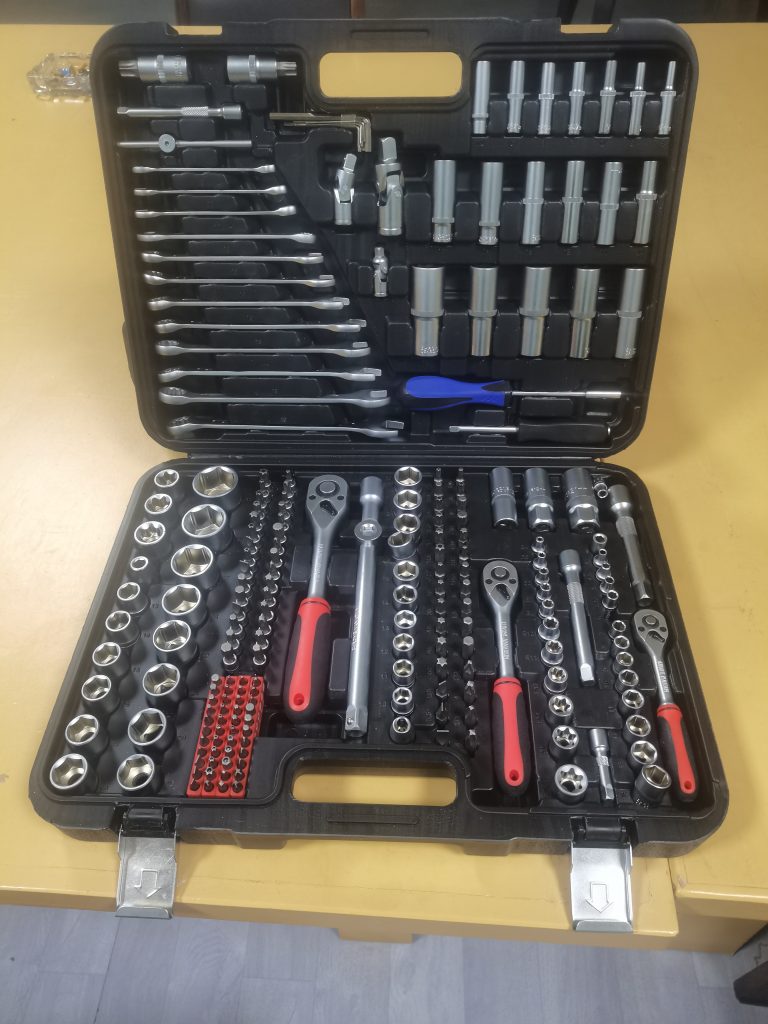
Product range matters because distributors need more than one hot-selling item. A buyer who imports only one puller tool or one brake kit may find it hard to build repeat sales. A wider product range helps buyers serve workshops, mechanics, retailers, and online channels with matching categories. A China OEM Auto Tools Supplier should offer automotive repair tools across brake repair, engine timing, puller tools, steering service, engine diagnostics, impact sockets, and related socket accessories.
Think about this: a distributor may receive requests from many customers in one week. One workshop asks for a brake caliper wind-back set. Another asks for a wheel bearing puller kit. A retailer wants impact socket sets. A fleet repair company asks for heavy-duty sockets. If a supplier can combine these products under one order, the distributor saves time, shipping cost, and supplier management work.
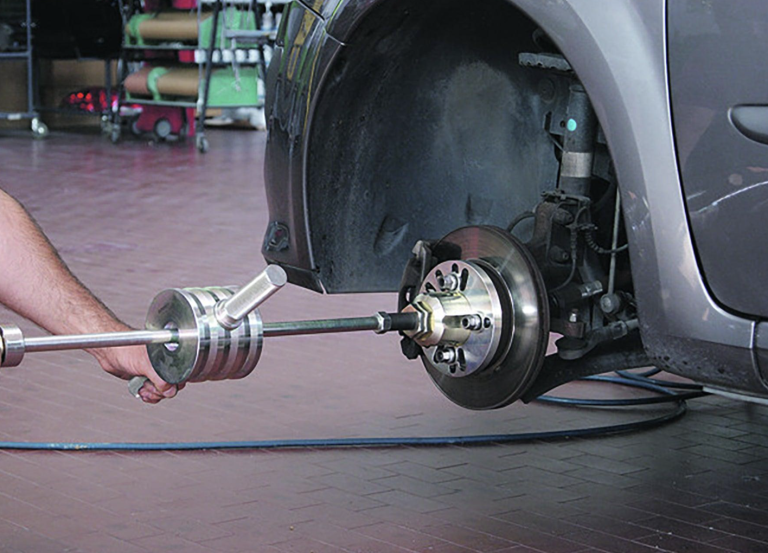
A product range also affects SEO and sales catalog planning. Buyers with a complete automotive repair tool category can create stronger product pages, printed catalogs, and sales sheets. They can group tools by repair job rather than listing unrelated items. For example, a “brake service tools” section can include brake piston tools, caliper press tools, bleeder kits, and brake spring tools. A “puller tools” section can include slide hammer pullers, hub pullers, bearing pullers, and CV joint pullers.
Core automotive repair tool categories
A strong China OEM Auto Tools Supplier should provide product options for both common repair jobs and special applications. This lets distributors cover low-cost fast-moving items and higher-value workshop tools in one supply plan.
| Category | Common Products | Buyer Value |
|---|---|---|
| Brake tools | Piston wind-back kits, bleeder kits | Frequent workshop demand |
| Timing tools | Timing locking kits, camshaft kits | Vehicle-specific repair need |
| Puller tools | Hub pullers, bearing pullers, slide hammers | Higher value per set |
| Steering tools | Tie rod removers, ball joint separators | Professional repair use |
| Engine tools | Compression testers, valve tools | Diagnostic and repair demand |
| Socket tools | Impact sockets, ratchets, adapters | Repeatable tool category |
3. How Should Distributors Judge MOQ Before Placing an Order?
MOQ affects cash flow, warehouse pressure, and product testing speed. Some suppliers push high MOQ because they only want simple bulk orders. That may not work for distributors testing a new automotive repair tools category. A better China OEM Auto Tools Supplier should explain MOQ based on product type, packaging method, logo process, and production plan. This helps buyers know which products can start small and which products need higher quantity.
What’s the real story? MOQ should never be judged by quantity alone. A plain tool without custom packaging may support smaller orders. A tool case with custom logo, special color, molded tray, printed sleeve, or barcode label may need a higher order quantity. If a buyer requests custom plastic case color, MOQ may rise due to material purchase rules. If a buyer needs laser logo on metal parts, MOQ may stay lower because setup cost can be handled more easily.
Distributors should ask suppliers for MOQ by product group. For example, brake tools may allow mixed models. Impact sockets may allow mixed sizes if finish and material remain same. Custom tool sets may need quantity based on case mold, tray layout, and packing print. A supplier who explains these details gives buyers better control over trial orders.
MOQ planning for new product programs
For a new market test, buyers can begin with standard products and neutral packaging. Once sales data becomes clear, they can move into OEM logo and custom case design. This staged method reduces risk and gives distributors more room for market feedback.
| Order Type | Typical MOQ Logic | Best For |
|---|---|---|
| Standard product | Lower MOQ | Market testing |
| Mixed category order | Flexible MOQ by SKU | Distributor catalog building |
| OEM logo | Medium MOQ | Private label launch |
| Custom color case | Higher MOQ | Brand-specific programs |
| Custom printed packaging | MOQ based on print setup | Retail-ready sales |
| Full custom kit | Case and tray planning needed | Mature product line |
4. Why Are Mixed Orders Useful for Tool Importers?
Mixed orders help buyers combine several automotive repair tools in one shipment. This matters because distributors often need to test demand before committing large volume. A China OEM Auto Tools Supplier with mixed order support can combine brake tools, puller tools, timing tools, socket sets, and engine service tools into one purchasing plan. This gives buyers a practical way to expand product lines without heavy stock pressure.
Here’s why it works: automotive repair tools do not always sell at the same speed. Some products sell fast through workshops. Some products sell slowly but carry higher unit value. Mixed orders let a buyer balance fast-moving products with professional tools that complete a catalog. A distributor may order more brake tools and fewer timing kits in one shipment. Another buyer may test hub pullers, CV joint pullers, and impact sockets together.
Mixed orders also reduce communication time. Instead of managing five suppliers, buyers can work with one supplier who understands product matching, carton planning, and export documents. This matters for small and medium distributors that do not have a large sourcing team in China. When one supplier manages multiple categories, buyers can spend more time selling and less time checking details across many factories.
Mixed order strategy for distributors
A smart mixed order should combine high-demand SKUs, higher-value professional tools, and brand-building products. This creates a balanced order with both sales speed and margin potential.
| Mixed Order Group | Example Products | Business Purpose |
|---|---|---|
| Fast-moving tools | Brake tools, sockets, adapters | Quick turnover |
| Professional tools | Bearing pullers, timing kits | Higher unit value |
| Brand products | Tool case sets with logo | Private label growth |
| Trial products | New repair kits | Market feedback |
| Support items | Accessories, sleeves, labels | Better user experience |
5. How Does OEM Logo Service Build Distributor Brand Value?
OEM logo service turns a standard tool into a brand asset. For distributors and private label buyers, this can improve customer memory, retail presentation, and repeat purchase value. A China OEM Auto Tools Supplier should offer practical logo methods for metal tools, plastic cases, color sleeves, labels, and instruction sheets. The goal should not be decoration only. The goal should be brand consistency across all products.
Ready for the good part? OEM branding can start small. A buyer does not always need a full custom design at the beginning. Laser logo on tools, printed stickers on cases, and simple color sleeves can create a branded product line with controlled cost. Once sales volume grows, buyers can upgrade to molded logo cases, custom tray color, retail color boxes, and full packaging design.
Logo method depends on tool material and surface. Laser marking works well on many metal tools. Pad printing may fit plastic cases. Stickers or labels work for small trial orders. Embossed or molded logo may require higher quantity because mold work or tooling may be involved. A professional supplier should explain what works best for each product instead of using one method for every item.
OEM logo options for auto tools
Brand owners should check logo durability, placement, color accuracy, and cost before order confirmation. Sample approval can prevent many disputes later.
| Logo Position | Common Method | Suitable Products |
|---|---|---|
| Metal tool body | Laser marking | Sockets, pullers, adapters |
| Plastic case | Pad printing or sticker | Tool kits, repair sets |
| Case surface | Molded logo | Larger private label orders |
| Color sleeve | Printed logo | Retail packaging |
| Instruction sheet | Printed brand layout | Technical tool kits |
| Carton mark | Printed shipping mark | Export identification |
6. What Should Buyers Know About Tool Case Packaging?
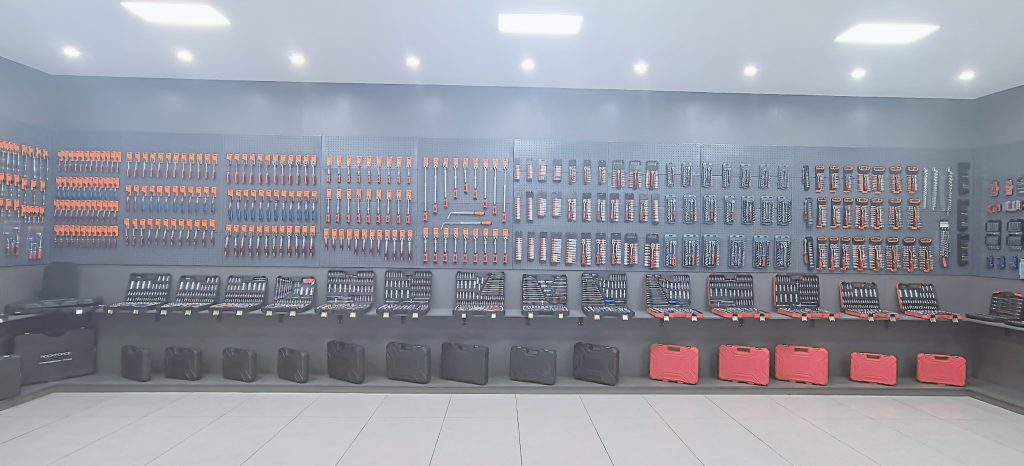
Tool case packaging affects product protection, brand image, warehouse handling, and customer satisfaction. Automotive repair tools often include many metal components. If tray layout is poor, parts may move during shipping. If case material is weak, buyers may receive damaged cases before products reach shelves. A China OEM Auto Tools Supplier should help buyers check case strength, tray fit, lock design, label space, and carton packing before mass production.
This is where it gets practical: tool cases must fit both product function and sales channel. A workshop buyer may care more about durability and clear part layout. A retail buyer may care about shelf appearance and barcode placement. An online seller may care about carton strength and protection during courier delivery. A supplier should match packaging with real sales use.
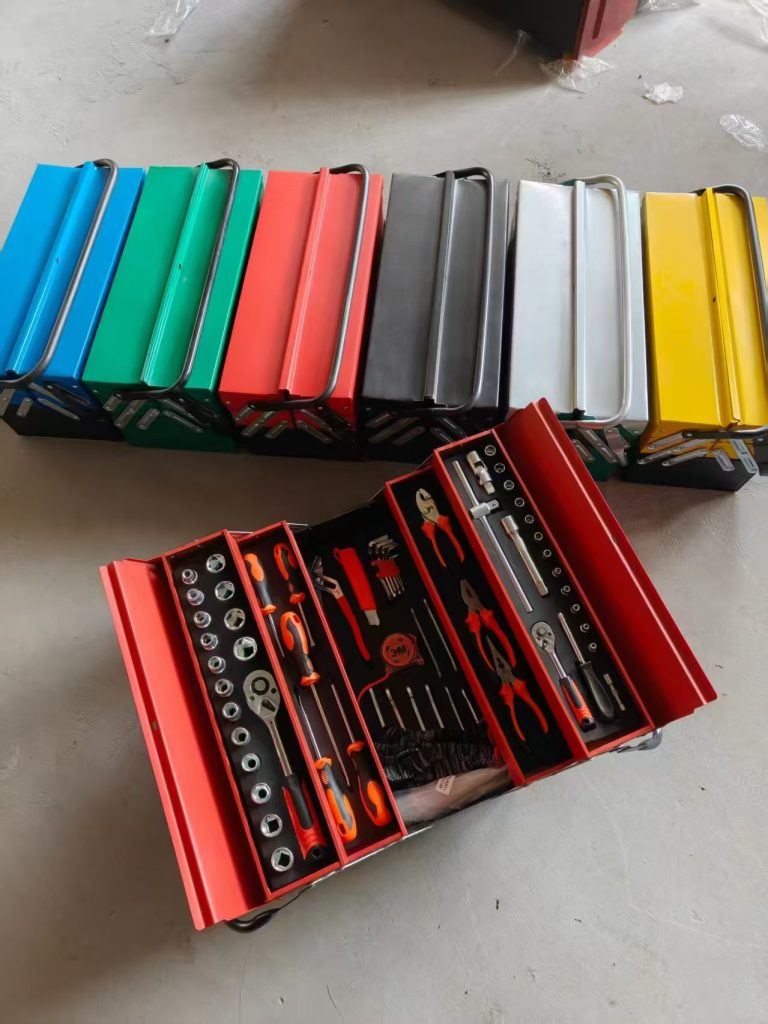
A good tool case should hold each component firmly. For timing tools and puller kits, missing parts can cause serious complaints. Tray design should make tools easy to count during inspection. Product name, size chart, and vehicle application information should be placed clearly. For private label programs, package design should include logo, item number, barcode, country of origin, safety warning, and instruction sheet when needed.
Packaging points buyers should confirm
Buyers should request packaging photos, case dimensions, carton size, gross weight, and packing method before order confirmation. For online sales, drop test needs may also be discussed.
| Packaging Element | What to Check | Why It Matters |
|---|---|---|
| Plastic case | Thickness, locks, hinges | Reduces damage risk |
| Inner tray | Tool fit and part count | Prevents missing parts |
| Label area | Logo and model details | Supports retail sale |
| Color sleeve | Print quality and barcode | Improves shelf presentation |
| Master carton | Strength and size | Protects during shipment |
| Manual | Application and safety notes | Reduces user confusion |
7. How Should Quality Control Be Managed for Automotive Repair Tools?
Quality control must cover material, hardness, dimensions, finish, assembly, packaging, and final shipment checks. Automotive repair tools often face heavy force in workshops. Poor hardness, weak threads, inaccurate size, or loose accessories can cause product failure. A China OEM Auto Tools Supplier should have clear inspection steps before shipment. Buyers should also request sample photos, videos, inspection reports, or third-party inspection support when order value calls for it.
Here’s the risk: a tool may look fine in photos yet fail during real use. For example, a puller screw with weak heat treatment may bend under load. A socket with poor size accuracy may damage fasteners. A plastic case with loose tray design may arrive with mixed parts. Quality control must move beyond surface appearance.
For distributors, stable quality matters because one bad batch can harm local reputation. If customers return defective tools, distributors lose money through refund, replacement, and support time. Supplier inspection should happen at several points: raw material check, production process check, surface treatment check, assembly check, packing check, and final carton check. This creates a stronger supply chain for repeat orders.
QC checklist for auto repair tools
A buyer does not need complicated technical language for every product. A clear checklist helps both sides confirm inspection points before production.
| QC Point | Example Check | Product Risk Reduced |
|---|---|---|
| Material | CR-V, CR-MO, carbon steel confirmation | Weak tool body |
| Hardness | HRC range check | Breakage or deformation |
| Dimension | Size, thread, drive fit | Poor working fit |
| Surface finish | Black phosphate, coating, plating | Rust or peeling |
| Assembly | Part count and fit | Missing or loose components |
| Packaging | Case, label, carton check | Shipping damage |
8. What Export Support Should a China OEM Auto Tools Supplier Provide?
Export support helps buyers avoid delays, wrong paperwork, unclear shipping costs, and customs issues. A China OEM Auto Tools Supplier should support quotation, packing data, product photos, HS code reference, invoice, packing list, shipping mark, carton information, and delivery coordination. For buyers importing from China, this support can make order management much smoother.
Here’s the simple truth: many distributors lose time not because products are hard to buy but because export details are not clear. Carton size may be missing. Gross weight may change. Product description may be too vague. Shipping mark may not match warehouse rules. A supplier with export experience can reduce these problems by giving clear documents and checking details before shipment.
Export support also includes trade term flexibility. Some buyers prefer EXW because they have forwarders in China. Some prefer FOB for sea shipment. Some small trial orders may use courier or air shipping. Larger orders usually need sea freight. A supplier should help buyers compare cost, delivery time, carton volume, and packing method, then prepare goods for smooth pickup or shipment.
Export support items buyers should request
Clear export data helps buyers calculate landed cost and plan warehouse space. It also helps sales teams set product pricing in local markets.
| Export Item | Supplier Should Provide | Buyer Benefit |
|---|---|---|
| Proforma invoice | Product, quantity, price, trade term | Clear order record |
| Packing list | Carton count, weight, size | Freight planning |
| Product photos | Goods and packaging images | Pre-shipment check |
| Carton marks | Item number and destination mark | Warehouse sorting |
| HS code reference | Product classification support | Customs preparation |
| Shipping coordination | Forwarder handover support | Fewer shipment delays |
9. How Can Buyers Compare Price Without Sacrificing Quality?
Price matters, but low price alone can create expensive problems. A distributor should compare material, hardness, product size, case quality, packaging, MOQ, inspection support, and shipping data before judging a quotation. A China OEM Auto Tools Supplier with a slightly higher price may offer better value if products have stable quality, stronger case packaging, and fewer after-sales claims.
What’s the catch? two tools may look similar in photos but differ greatly in material and production control. A low-cost puller kit may use weaker steel, thinner case material, or rougher surface finish. A cheaper impact socket may have poor heat treatment or loose tolerance. If buyers only compare product name and photo, they may choose a risky item without knowing it.
Smart buyers request quotation details in a structured format. The supplier should list material, size range, accessories, packaging, logo cost, MOQ, carton data, and sample cost. This makes price comparison fair. It also helps buyers explain product value to their own customers. In many markets, distributors win repeat business by selling reliable products rather than chasing the lowest purchase price every time.
Price comparison framework
A clear comparison table helps sourcing teams judge real value. Buyers should not accept vague quotes such as “same as photo” or “good quality” without specifications.
| Comparison Point | Low-Risk Supplier | High-Risk Supplier |
|---|---|---|
| Material | Clearly stated | Vague or missing |
| Hardness | Can provide range | No data |
| Packaging | Case and carton details | Photo only |
| OEM cost | Listed separately | Unclear extra charges |
| MOQ | Explained by process | One fixed answer |
| Inspection | Photos or report available | No clear check process |
10. What Should Buyers Ask Before Choosing a China OEM Auto Tools Supplier?
Before placing an order, buyers should ask questions that reveal supplier capability. A China OEM Auto Tools Supplier may have a wide product list, but buyers still need proof of communication speed, product knowledge, OEM support, packaging skill, and export handling. The best questions are practical. They focus on real order details rather than broad promises.
Ask this before you pay: can the supplier provide product specifications, packaging photos, MOQ by product group, logo method, sample time, mass production time, inspection process, and shipping data? If answers are clear, sourcing risk becomes lower. If answers are vague, buyers should slow down and request more proof.
Distributors should also ask whether mixed orders are supported. This helps them test product groups with less stock pressure. Private label buyers should ask about logo durability and packaging proof. Retail buyers should ask about barcode, color sleeve, carton mark, and instruction sheet. Online sellers should ask about case strength and parcel packing.
Buyer question checklist
Good questions produce better quotations. They also show suppliers that the buyer has professional requirements and expects clear B2B support.
| Question Area | What to Ask | Why It Helps |
|---|---|---|
| Product range | Which automotive repair tools can be mixed? | Builds category plan |
| MOQ | What MOQ applies for standard and OEM orders? | Controls stock risk |
| Logo | Which logo method fits each product? | Protects brand image |
| Packaging | Can you provide case and carton details? | Supports sales planning |
| QC | What inspection steps happen before shipment? | Reduces defect risk |
| Export | Can you support documents and forwarder handover? | Reduces shipping delays |
11. Why Should KOLARWIN TOOLS Fit Your Automotive Tool Sourcing Plan?
KOLARWIN TOOLS works for distributors, wholesalers, importers, and private label tool brands that need automotive repair tools, socket tools, mechanic tool sets, and OEM packaging support. For buyers searching for a China OEM Auto Tools Supplier, the right partner should help with product selection, mixed orders, logo service, tool case packaging, quality control, and export communication.
Here’s the buyer advantage: you can start from a focused product group, such as puller tools, brake tools, impact sockets, or mechanic tool sets. Then you can expand into wider automotive repair tool categories after market feedback. This gives your business a practical sourcing path without forcing heavy stock from day one.
KOLARWIN TOOLS can support B2B buyers who need a clear product structure and export-ready communication. If your business sells to repair shops, retailers, wholesalers, online channels, or private label programs, you need a supplier who understands both product quality and market presentation. A low-price tool alone will not build a strong line. A clear sourcing system will.
Suggested internal links for this article
Use these anchor texts inside the published article:
| Anchor Text | Suggested Page Type | Best Placement |
|---|---|---|
| automotive repair tools | Automotive Repair Tools page | Product range section |
| impact socket sets | Impact Socket page | Product category section |
| socket tools supplier | Socket Tools page | Mixed order section |
| mechanic tool sets | Homepage or tool set page | OEM program section |
| OEM tool quote | Contact or quote page | Final CTA section |
12. How Should Buyers Start a Trial Order with a China OEM Auto Tools Supplier?
A trial order should be planned like a real product program, not a random sample purchase. Buyers should select a small group of products that match target customers. For example, a distributor serving repair shops may test brake tools, bearing pullers, and impact sockets. A private label brand may test one tool case set with logo and neutral packaging. A wholesaler may test several fast-moving SKUs with bulk packing.
Start with this: define your target market, product category, quantity range, packaging need, and logo plan before asking for price. A supplier can quote faster when details are clear. If buyers only send a photo and ask for “best price,” supplier replies may be incomplete. A clear inquiry leads to clear comparison.
Trial orders should include sample confirmation, packaging confirmation, carton data, and delivery plan. Buyers should also request product photos before shipment. This does not replace full inspection for large orders, but it helps catch simple errors. After receiving goods, buyers should check tool fit, packaging condition, customer feedback, and sales speed. Then they can adjust next order quantity and product mix.
Trial order roadmap
A simple roadmap helps distributors move from sample check to repeat order with less risk.
| Step | Buyer Action | Supplier Support |
|---|---|---|
| Product selection | Choose category and SKUs | Recommend matching tools |
| Quote request | Share quantity and packing need | Provide detailed price |
| Sample check | Confirm product and logo | Send sample photos or sample |
| Trial order | Place small mixed order | Manage production and packing |
| Arrival check | Test tools and packaging | Support feedback review |
| Repeat order | Adjust quantity and range | Improve product plan |
Final Buyer Notes
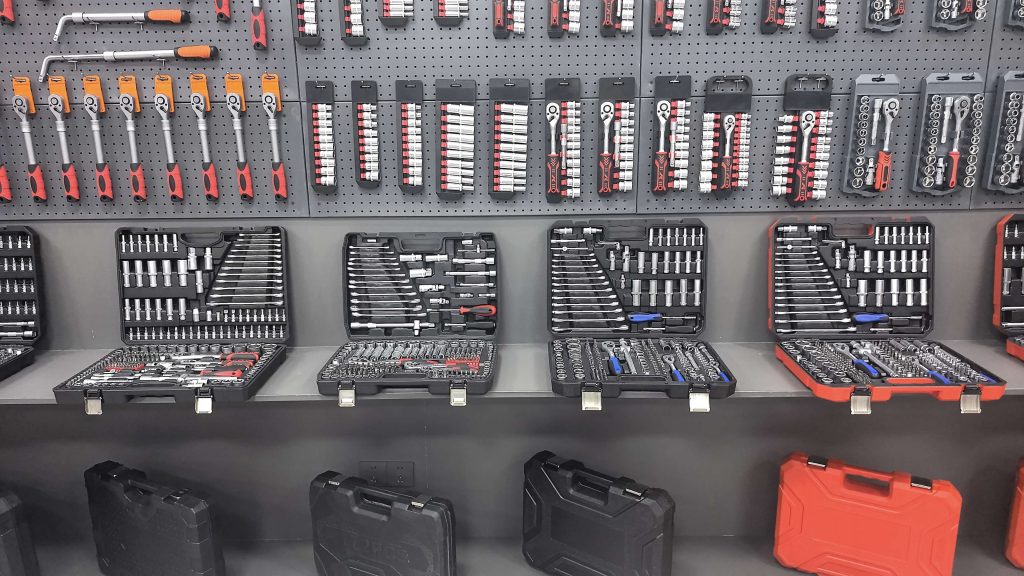
A reliable China OEM Auto Tools Supplier should offer more than price. Buyers need product range, practical MOQ, mixed order support, OEM logo service, strong tool case packaging, quality control, and export help. These points protect your brand, reduce sourcing risk, and support repeat sales. If you are building an automotive repair tools line for distributors, wholesalers, or private label channels, KOLARWIN TOOLS can help you prepare a cleaner product plan and a faster quotation.
FAQ: What Do Buyers Ask About a China OEM Auto Tools Supplier?
Q1: What is a China OEM Auto Tools Supplier?
A China OEM Auto Tools Supplier provides automotive repair tools with buyer branding, packaging, and export support. These suppliers usually work with distributors, wholesalers, importers, and private label tool brands that need custom logo, tool case packaging, mixed orders, and stable product quality.
Q2: Can distributors order mixed automotive repair tools from one supplier?
Yes. Many distributors prefer mixed orders because they can test brake tools, puller tools, timing tools, socket tools, and engine tools in one shipment. This helps reduce stock pressure and gives buyers a broader product line for local customers.
Q3: What MOQ should buyers expect for OEM auto tools?
MOQ depends on product type, logo method, packaging style, and customization level. Standard products usually support lower MOQ. Custom logo, custom case color, printed sleeves, and molded packaging may require higher quantity due to setup cost and material planning.
Q4: Which OEM logo methods are common for automotive repair tools?
Common logo methods include laser marking on metal parts, pad printing on plastic cases, stickers for trial orders, printed color sleeves, carton marks, and molded logos for larger private label programs. The best method depends on surface material, order quantity, and brand plan.
Q5: How can buyers reduce quality risk before shipment?
Buyers should request clear specifications, material information, hardness range where needed, packaging photos, product photos, carton data, and inspection support. For larger orders, buyers can arrange third-party inspection or request a detailed supplier inspection report before shipment.
Looking for a reliable mechanic tools manufacturer in China?
If you are sourcing hand tools, socket tools, automotive repair tools, mechanic tool sets or OEM private label tools, contact KOLARWIN Tools for factory-direct quotation, customization support and product consultation.